Despite what your favorite hentai tells you, you’re not supposed to be constantly horny. Life’s about balance, and we often forget that. For our well-being, we should frequently focus on comfort and ignore everything else. What’s considered “comfy” changes drastically depending on the individual, but most of us would agree that a hot meal with loved ones is one of life’s best comforts. Few shows depict that better than this season’s Food for the Soul.
With plenty of slower-paced shows airing during the spring 2025 season, Hibi wa Sugiredo Meshi Umashi had plenty of competition. Despite that adversity, it never faltered. Whether because of P.A. Works’ stellar animation or Atto (Non Non Biyori‘s creator) creating the project, this show delivered! Yeah, that’s right — Non Non Biyori’s mangaka and staff are the creators of this TV original anime. Their involvement proves this is one hell of an iyashikei. But what’s it about? And more importantly, why should you watch it? I’m glad you asked!
Food for the Soul — What’s It About?
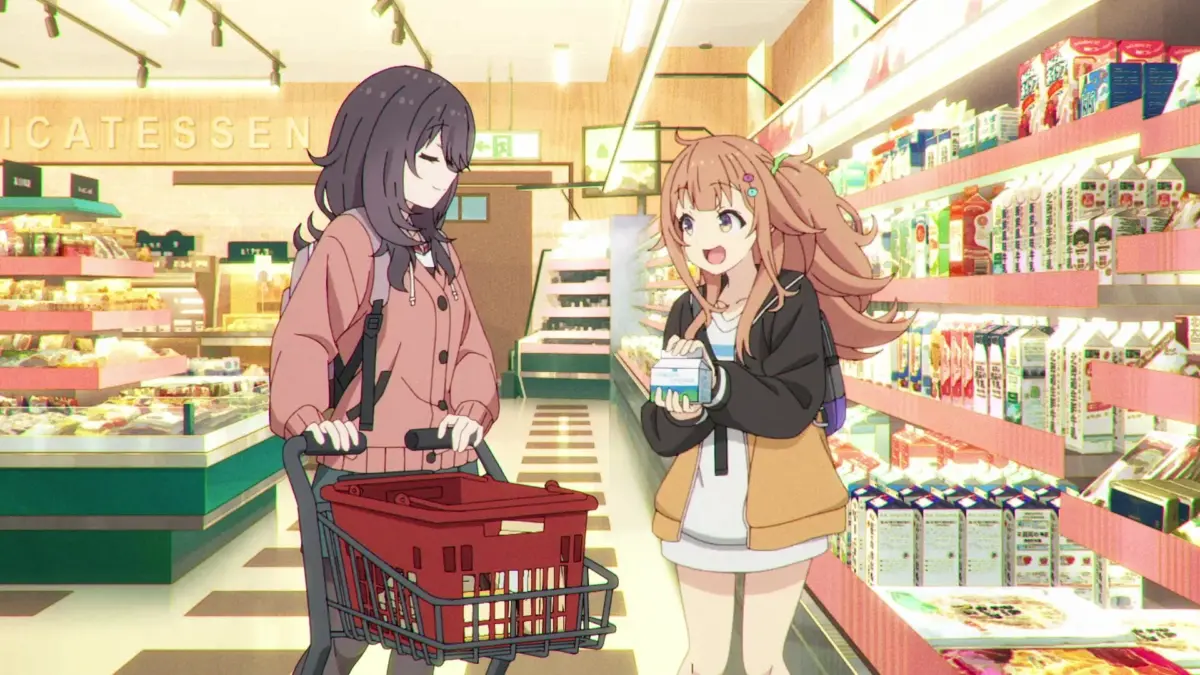
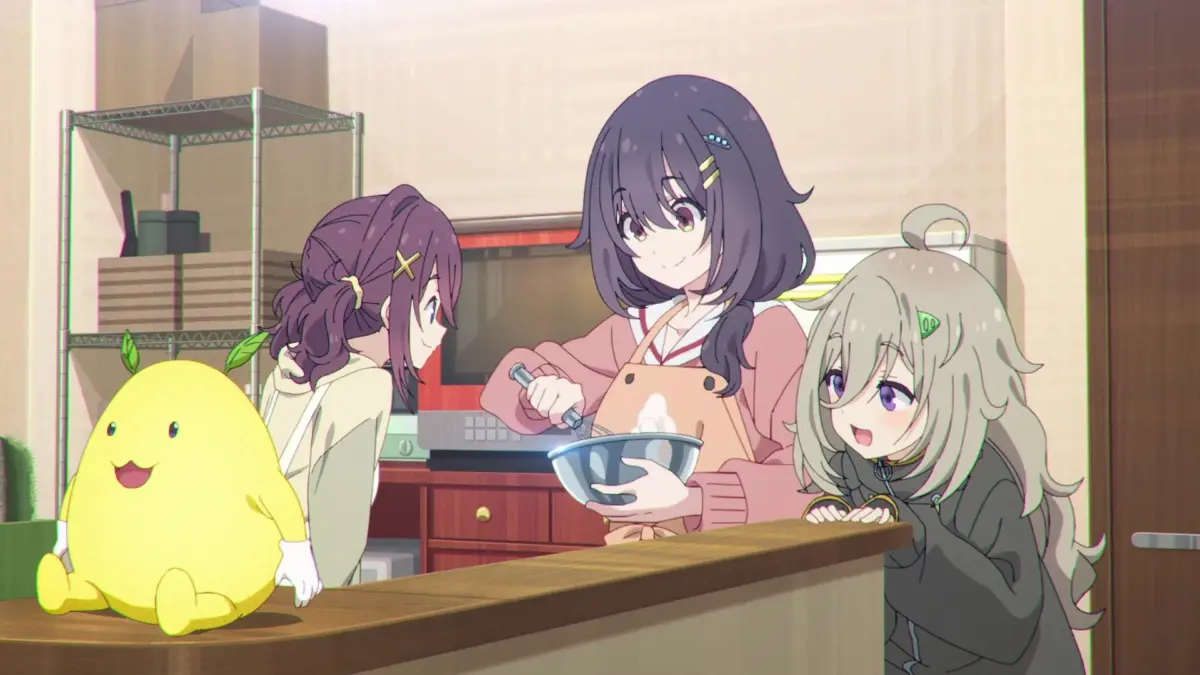
Most of us don’t think about it, but losing contact with someone or giving up our current way of life is surprisingly easy. A personal decision, indecision, or life’s whims can cause everything you know to fade quickly. That’s what Mako Kawai experiences every day.
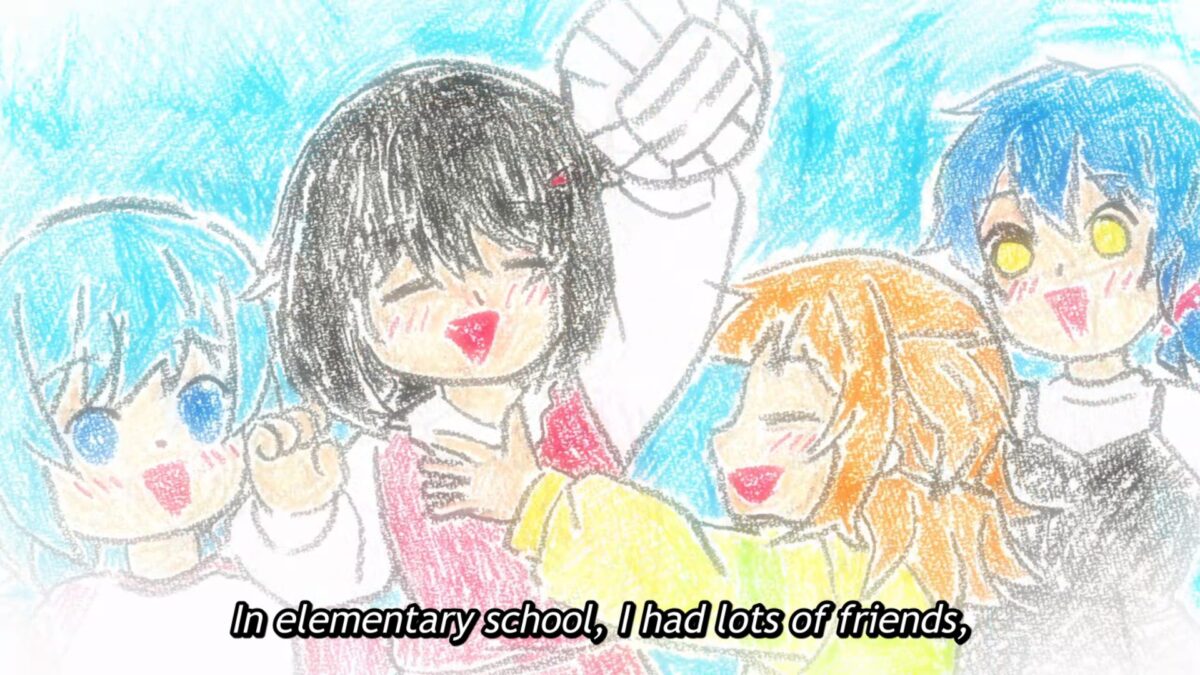
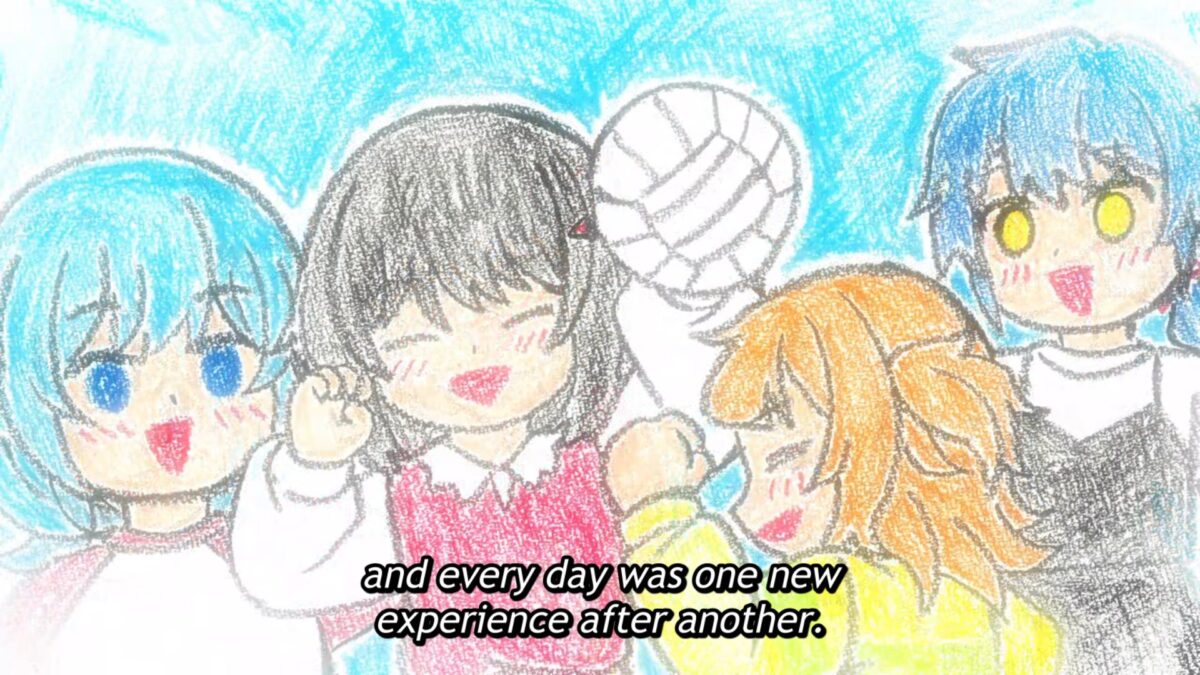
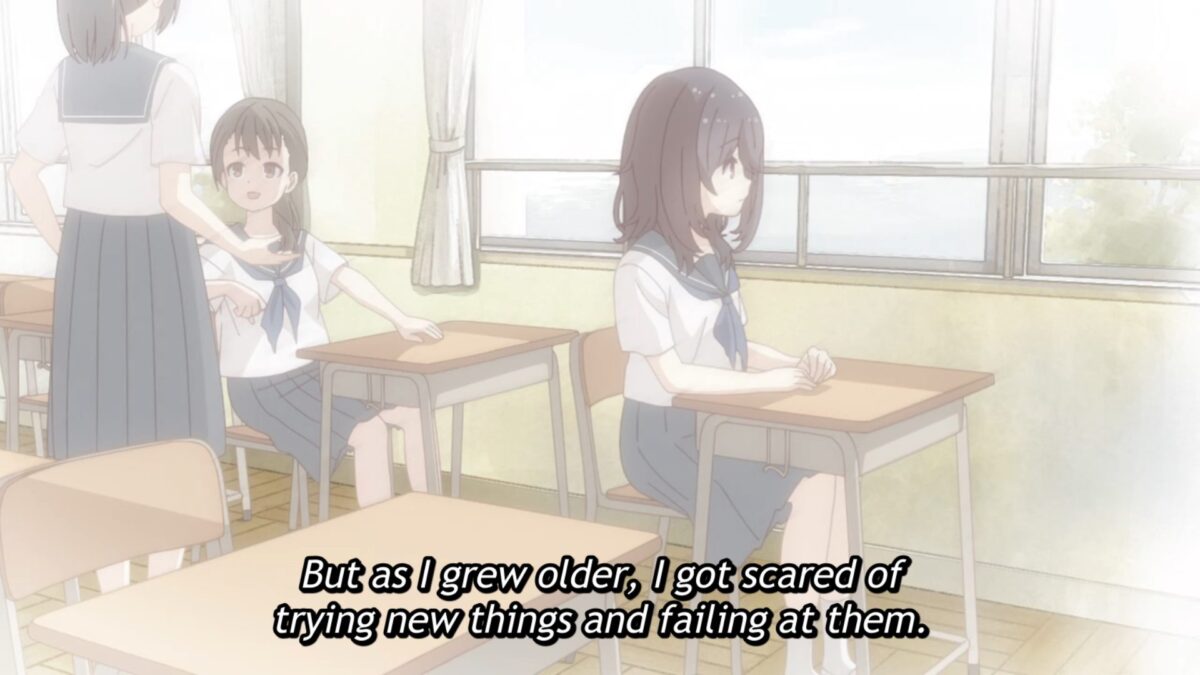
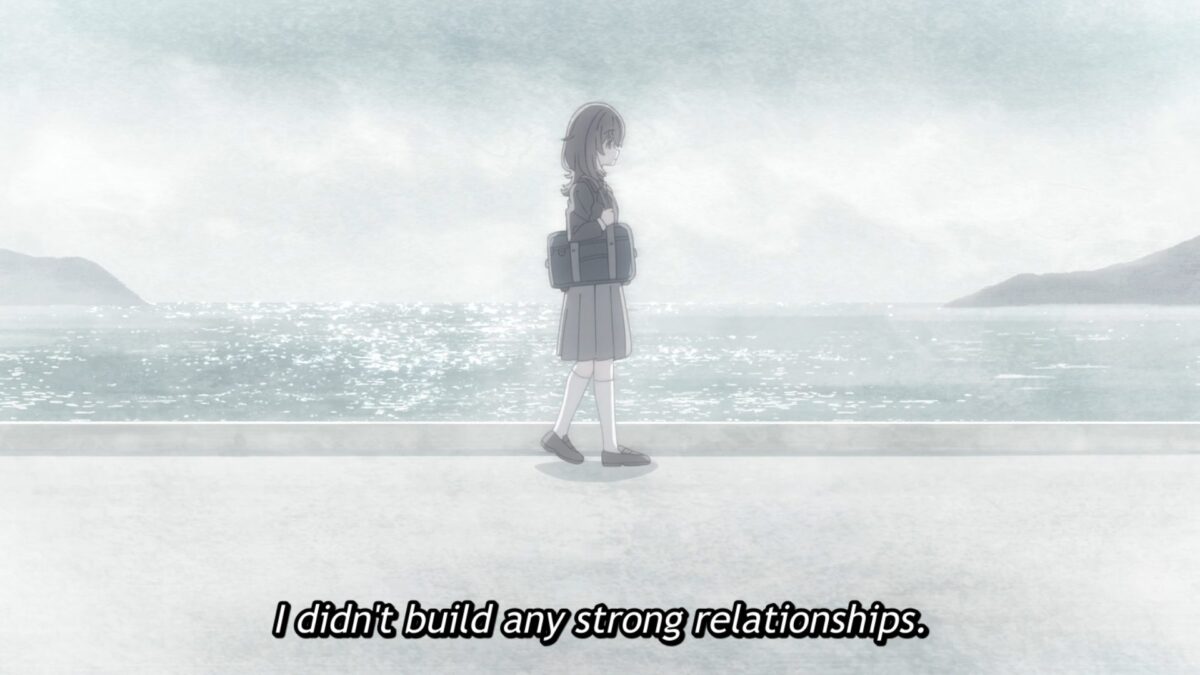
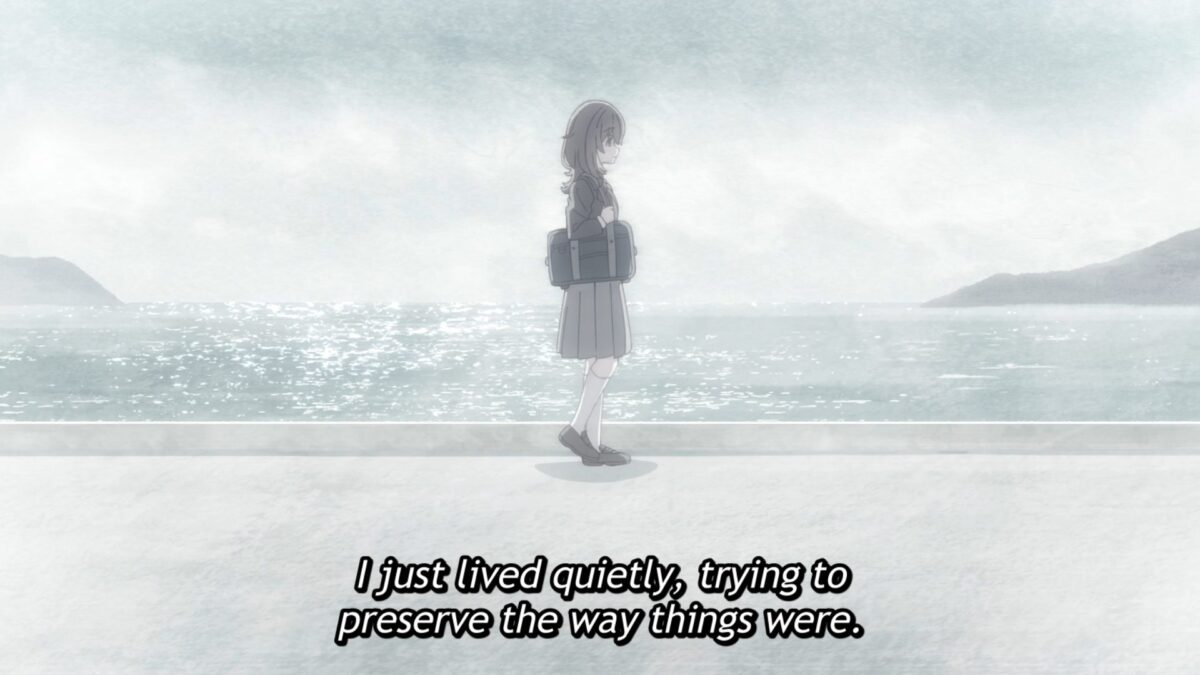
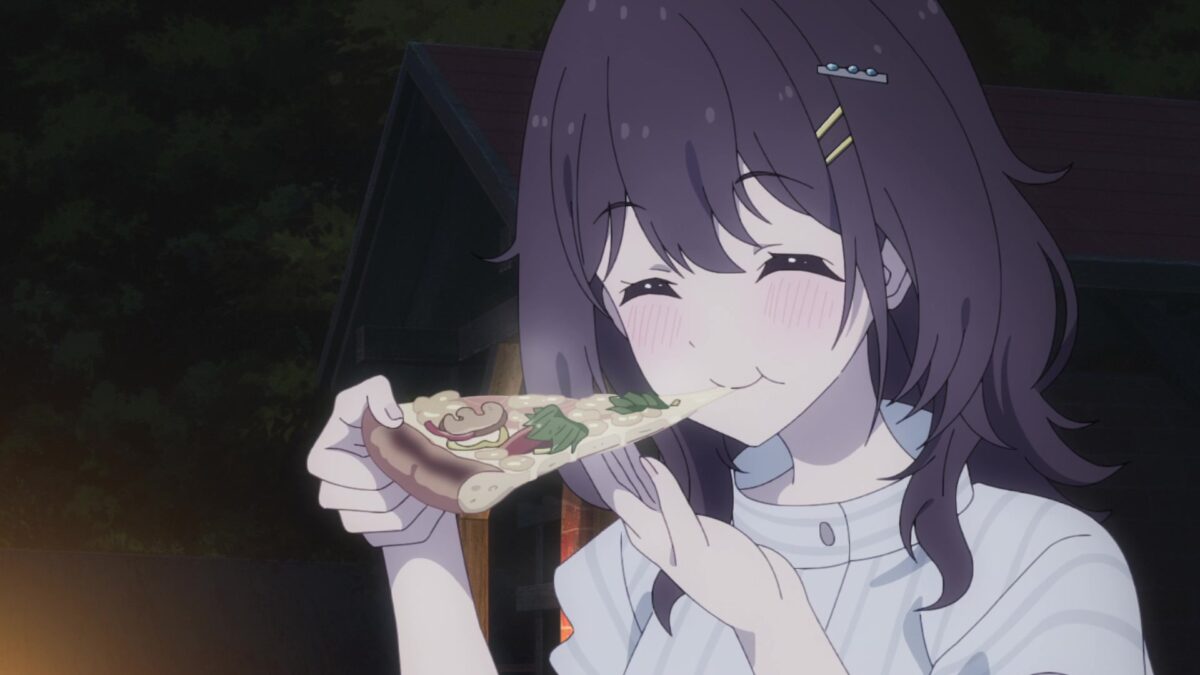
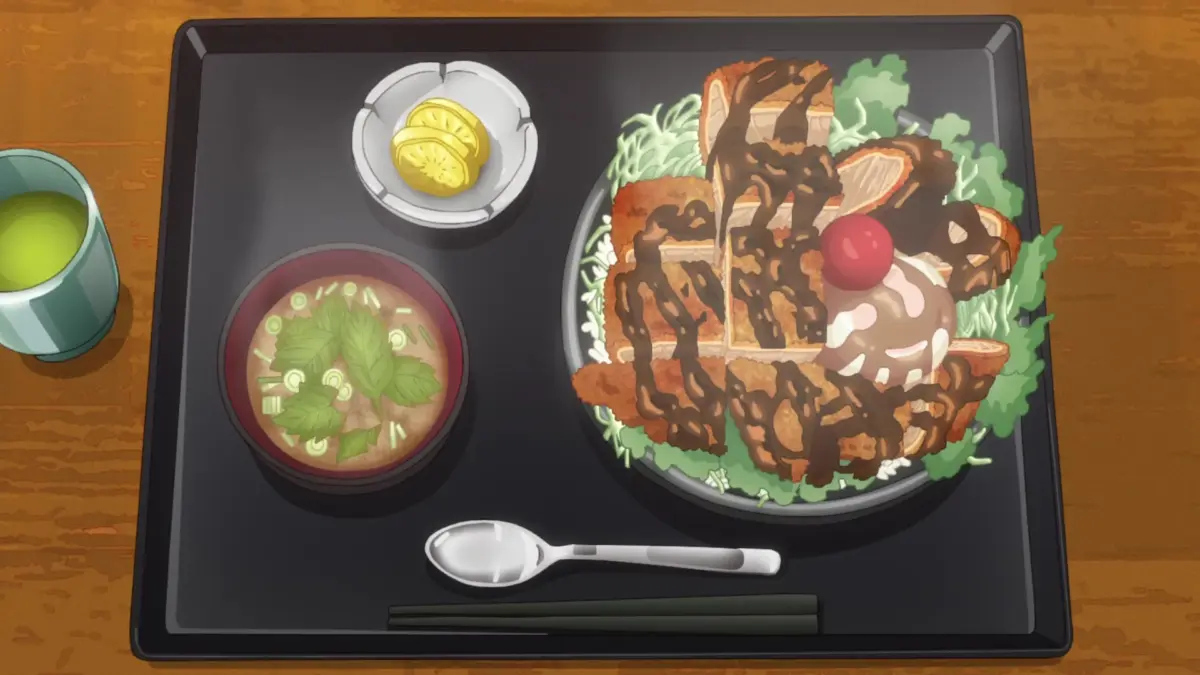
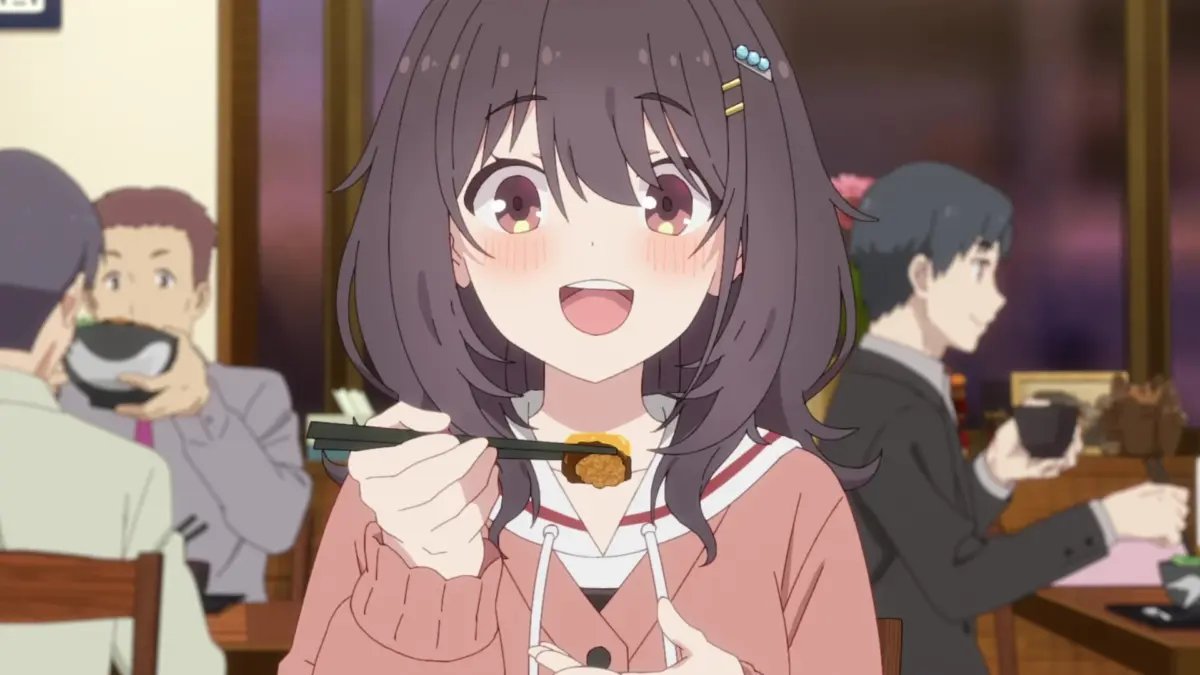
When she was a kid, she was lively like the other children in her elementary school. She was fun, outgoing, and full of energy. But as she grew older, the adventurous Makocchi started to become a prisoner of her own thoughts. She lived with a constant fear of failing at new things and of not being able to form lasting connections. Over time, she fell into a lonely and uneventful life. Things changed when she ran into her childhood best friend at university. Her friend quickly invited her to join the Food Culture Research Club. At first, she refused. But after one of the club members gifted her a plate of sauce katsudon, Kawai-san decided to join.
She expected the club to be serious and focused on food. Instead, she found a group that mostly wasted time together. However, as the old Makocchi began to come back to her, her days of wasting time started to shift. The Food Culture Research Club became a place for peaceful and loving moments.
What I Love About Food for the Soul
When it comes to escapism and entertainment, we often gravitate toward what we want or what represents us. Every isekai protagonist and his grandpa look like Kirito because most Japanese viewers want to be a stand-up normie who saves the day. I never cared about being a hero or going on a grand adventure. I only ever wanted a cozy, slow life where my efforts are rewarded with high comfort. Because of that, I gravitate to slice-of-life shows, especially ones where a character seems like a kindred soul. Food for the Soul‘s Makocchi is a kindred spirit.
I can’t say I ever feared trying new things. After all, I am a curious soul. But like her, I understand what it’s like to fade and disconnect from your past. That’s something I’ve carried with me for most of my life. The way this anime depicts that earned a chef’s kiss. I despise how the media portrays isolation, regret, and depression as all-consuming, anxiety-triggering scenarios. Loneliness isn’t always a rapid decline into grief. Most of the time, those issues slowly chip away until there’s nothing left of you. Othertimes, it’s merely getting stuck and being unable to move forward.
Makocchi’s dialogue in the first episode of Food for the Soul captures that with an eloquence that moved me to tears. The scene captured her introspection like no other anime has, and quickly established Kawai-san’s state of mind.
As I write this, the show is still simulcasting (it’s at episode 10). Yet, Hibi wa Sugiredo Meshi Umashi presents isolation, hesitation, and friendship in such a well-done way that I feel confident rating the entire show based on what I’ve seen.

Everything Tastes Better with Love
When I was a wee lad, I read Anthony Bourdain’s Kitchen Confidential. In it, I saw skepticism, cynicism, and a deeply flawed person trying to figure out the world. I related strongly to what I read. Bourdain’s words echoed an overwhelming, desperate need to fill a hole before it consumed you. But beyond all the pain on those pages, there was an undeniable truth: a good meal and good company can heal.
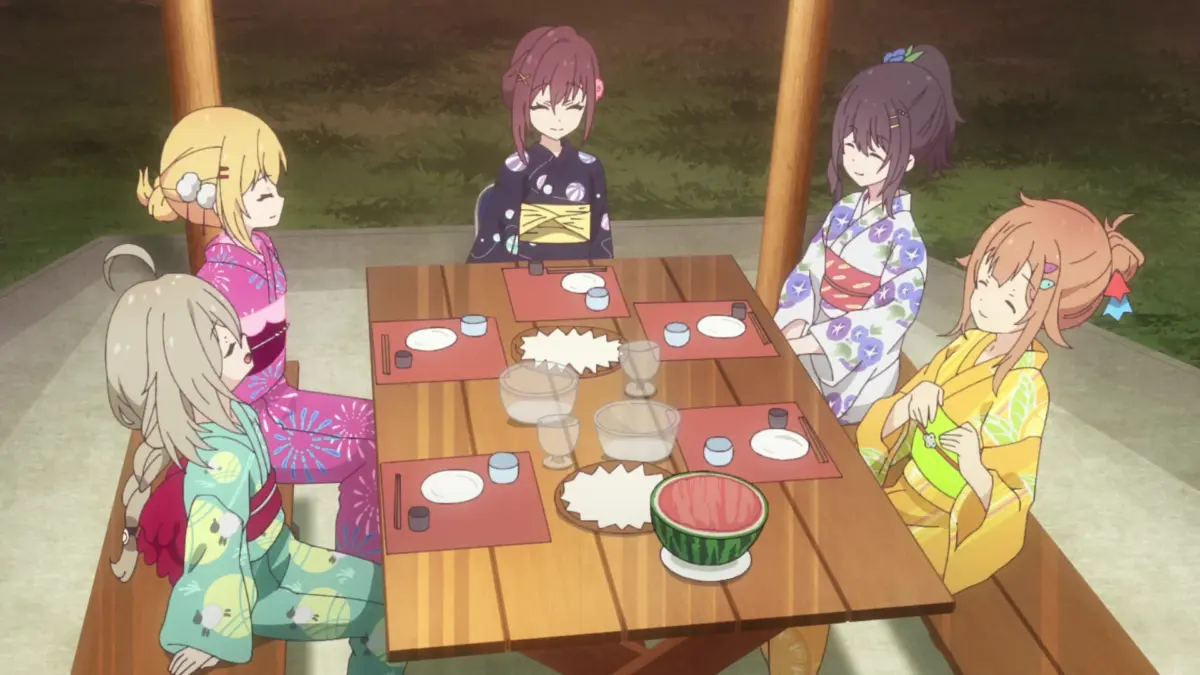
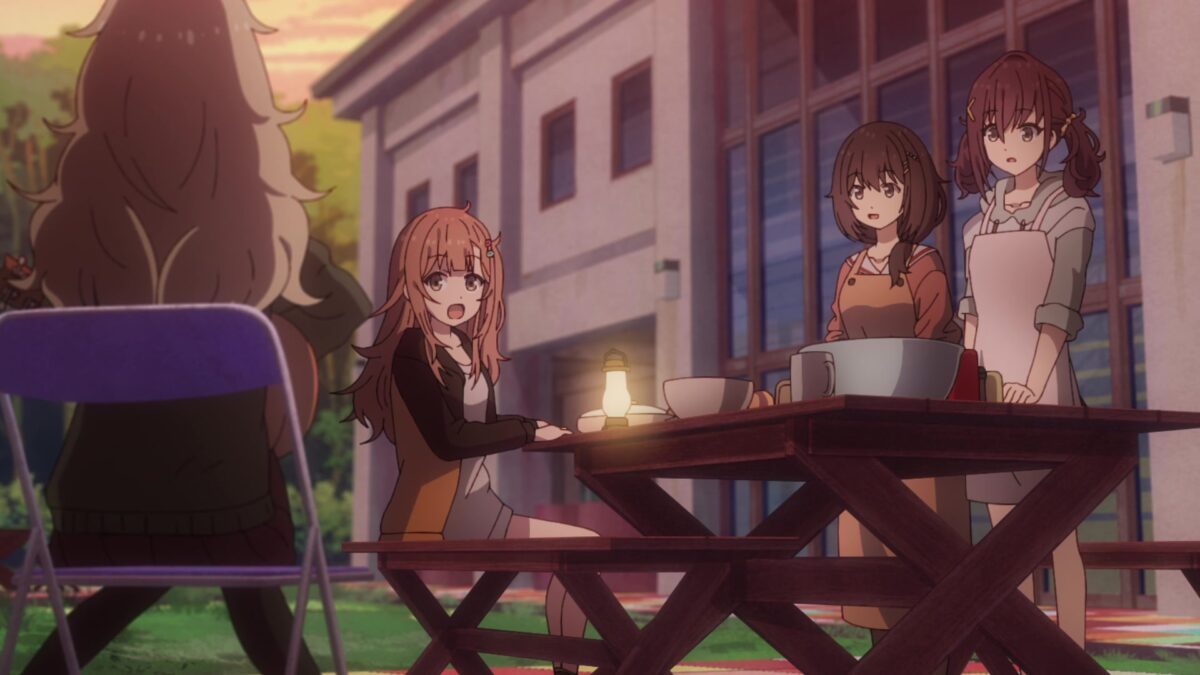
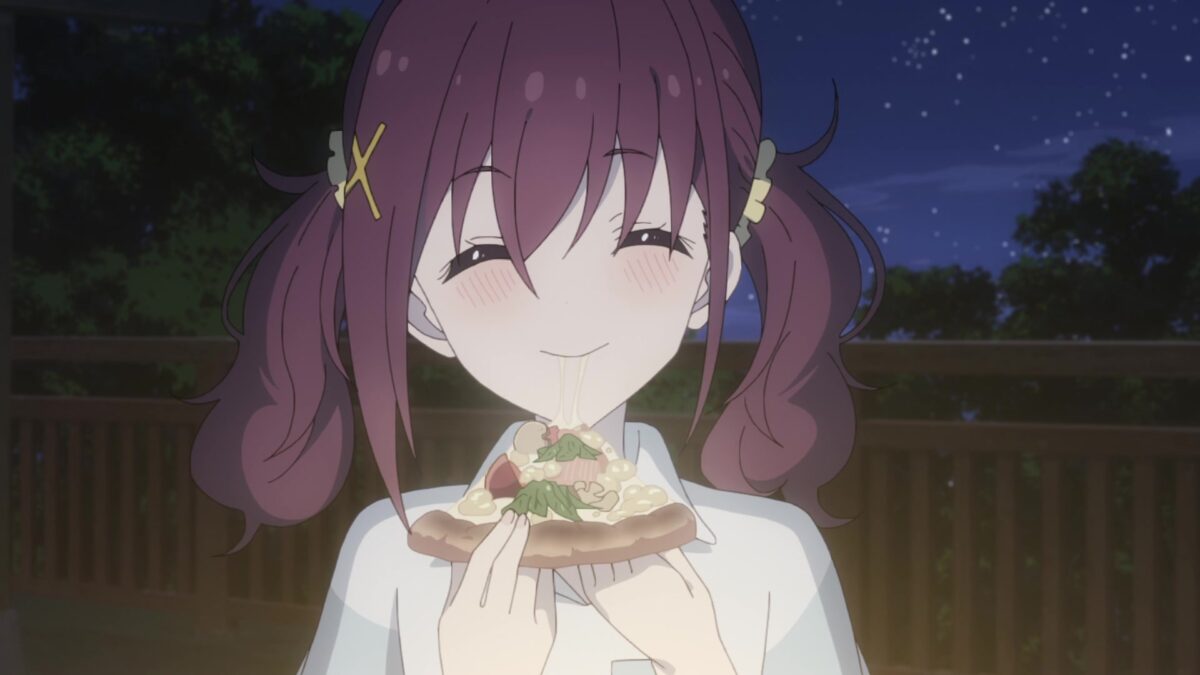
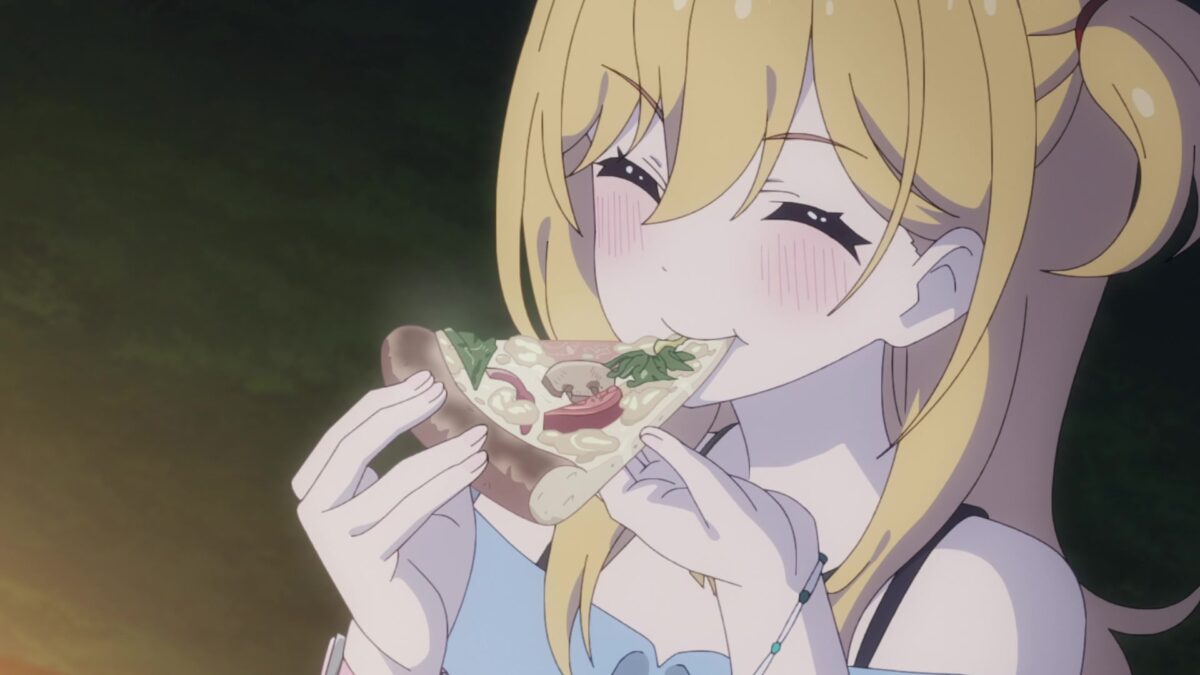
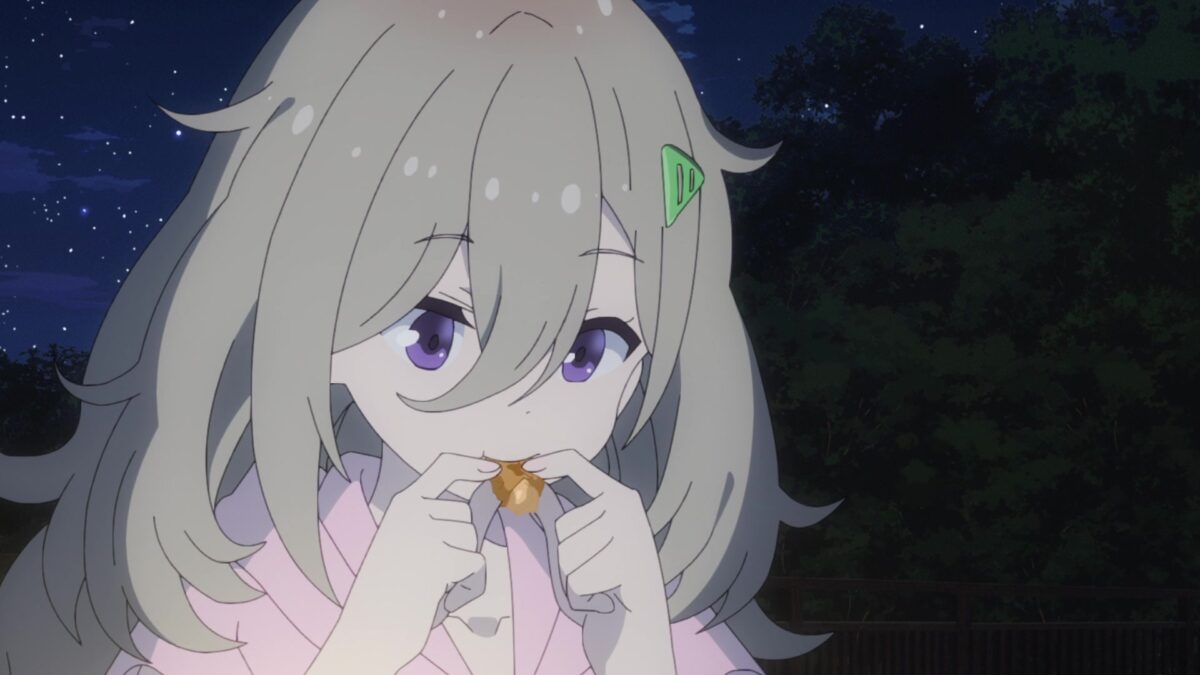
In Food for the Soul, the same truth Mr. Bourdain championed throughout his life rings true — sharing a meal with loved ones is a blessing. Hibi wa Sugiredo Meshi Umashi’s simple plot promotes all it needs to. Feel the joy of sharing a meal with people you love.
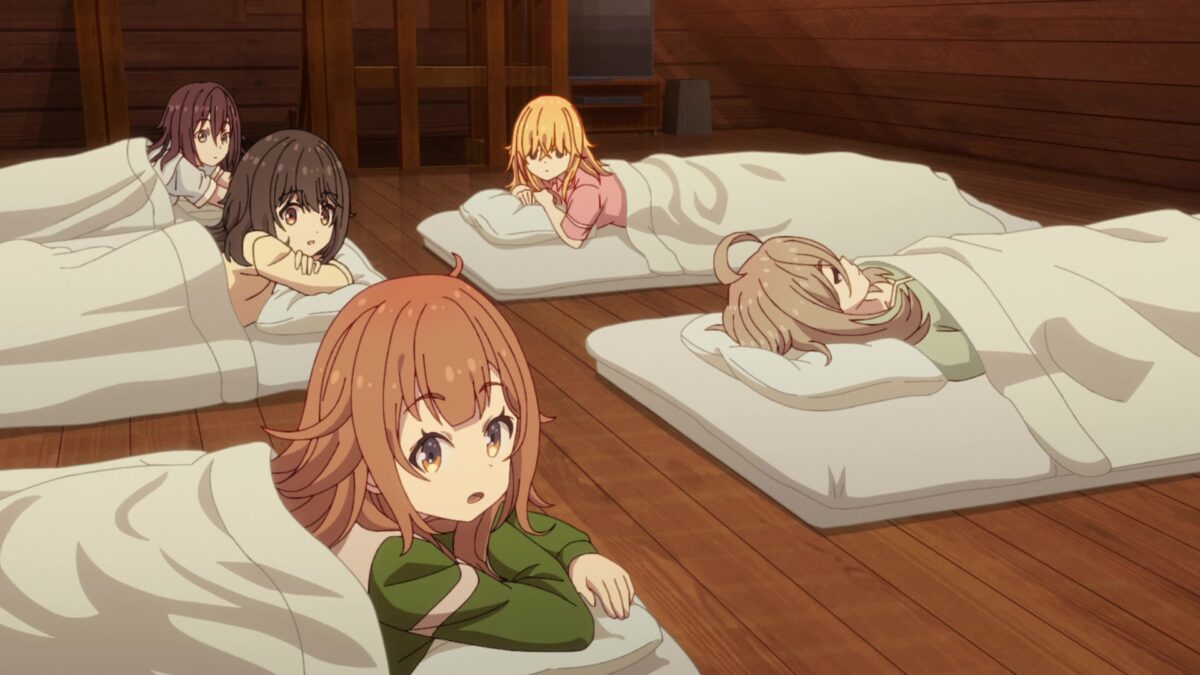
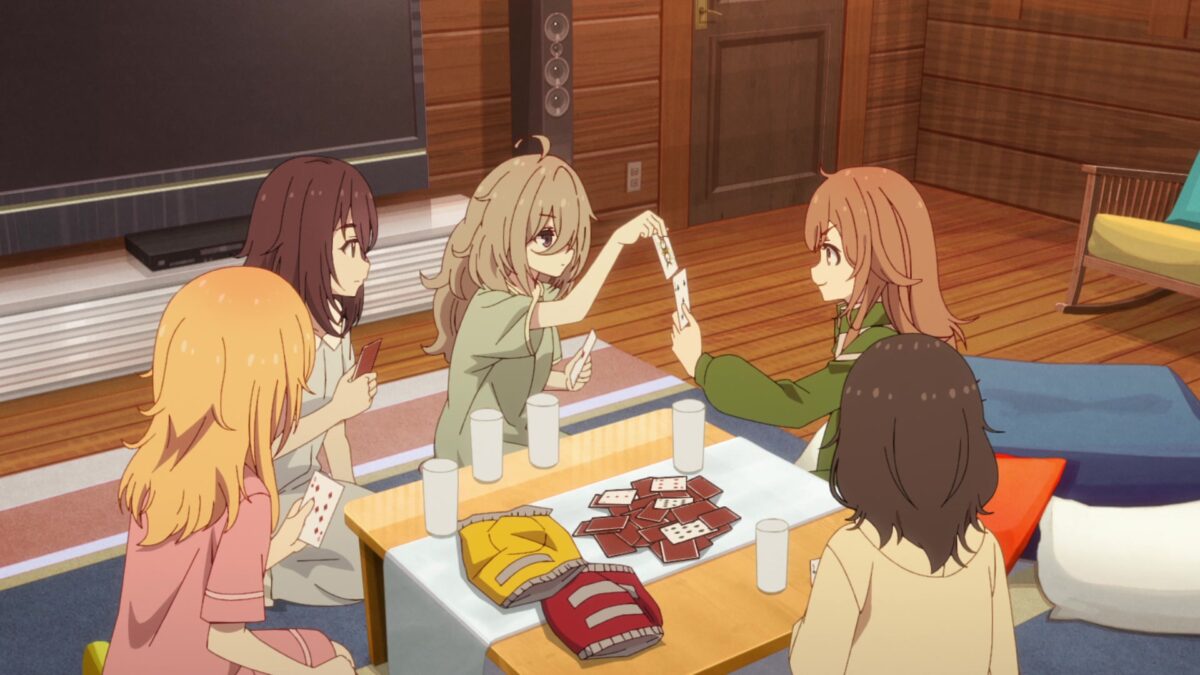
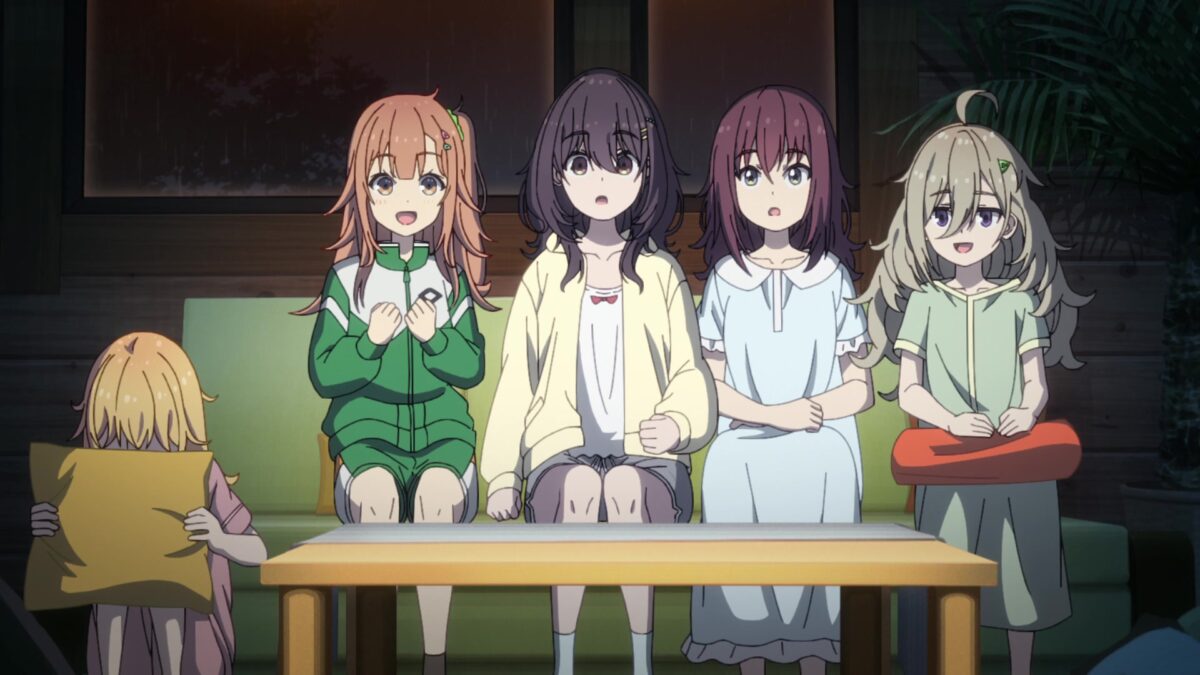
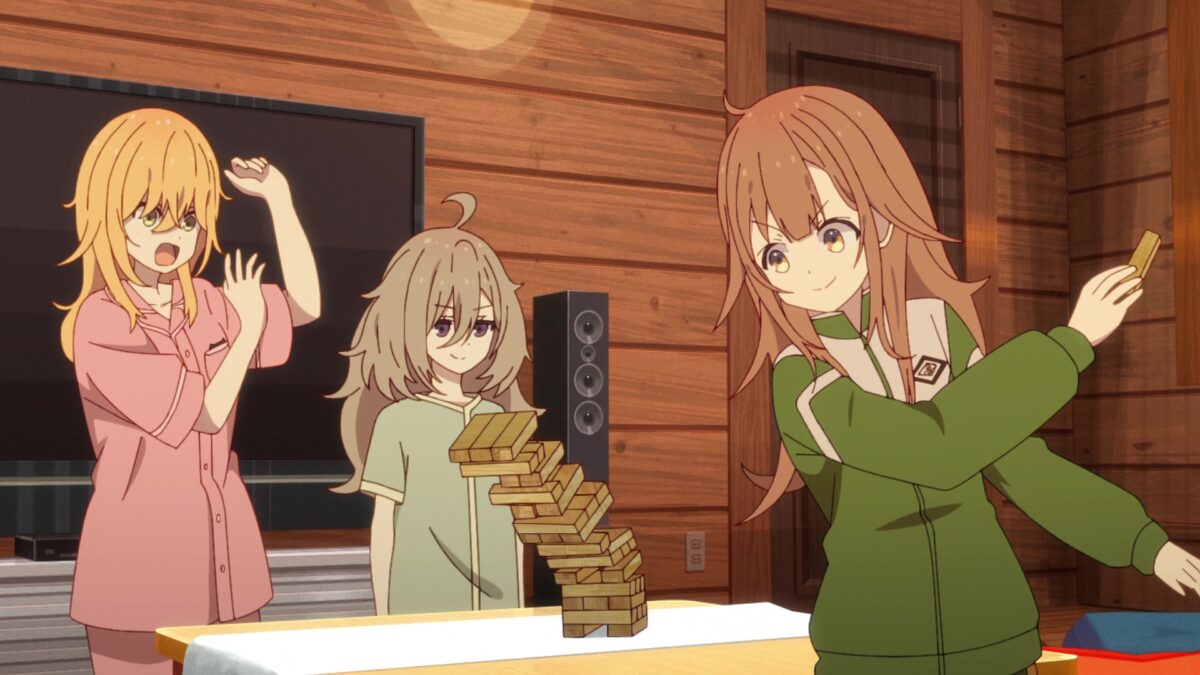
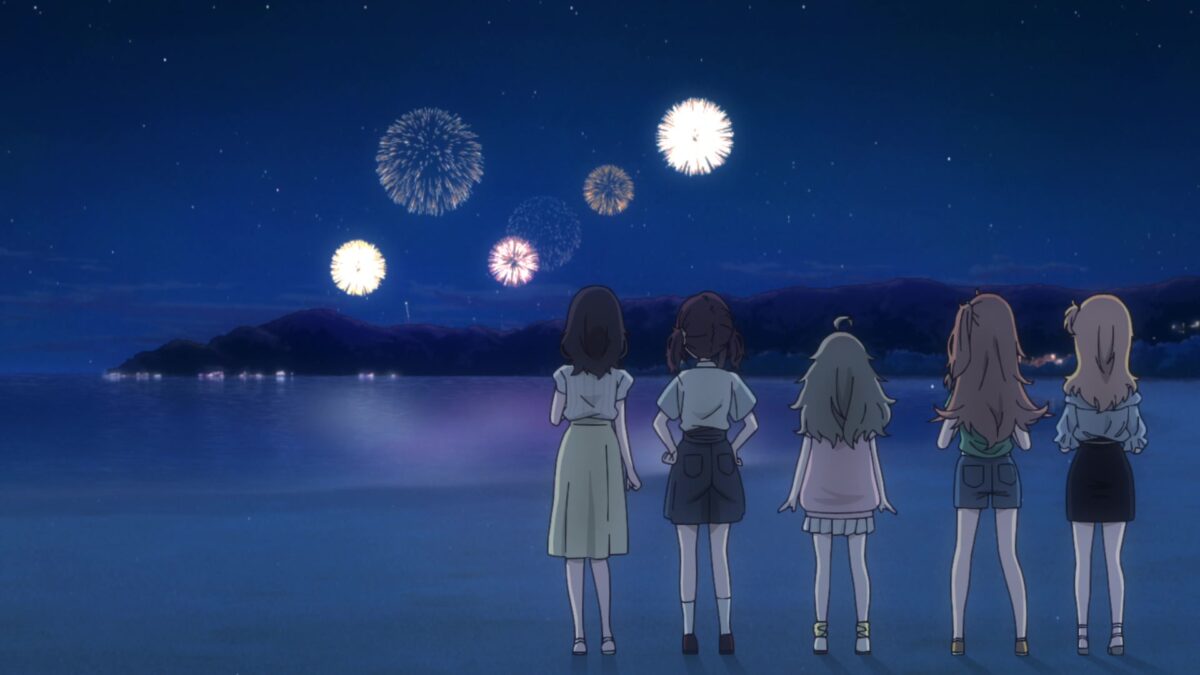
There are problems you can’t face alone. No matter how much effort you put into certain things, there will come a time when outside help is necessary. That’s not a weakness; we are social creatures. We need a support system. Modern life causes so much pain because we try to do alone what we used to accomplish with others. Some people can thrive in loneliness, but most of us only find grief there. I’ll joke about the “power of friendship” every chance I get, but make no mistake — it’s vital. Food for the Soul is built on this idea. Without relying on overwhelming displays of affection or grand gestures, the small actions shared by Makocchi, Kurea, Oshinko, Nana, and Tsutsuji show genuine care.
No one needs to tell you there’s a bond; it’s the first thing you notice.
Food for the Soul — Production Thoughts
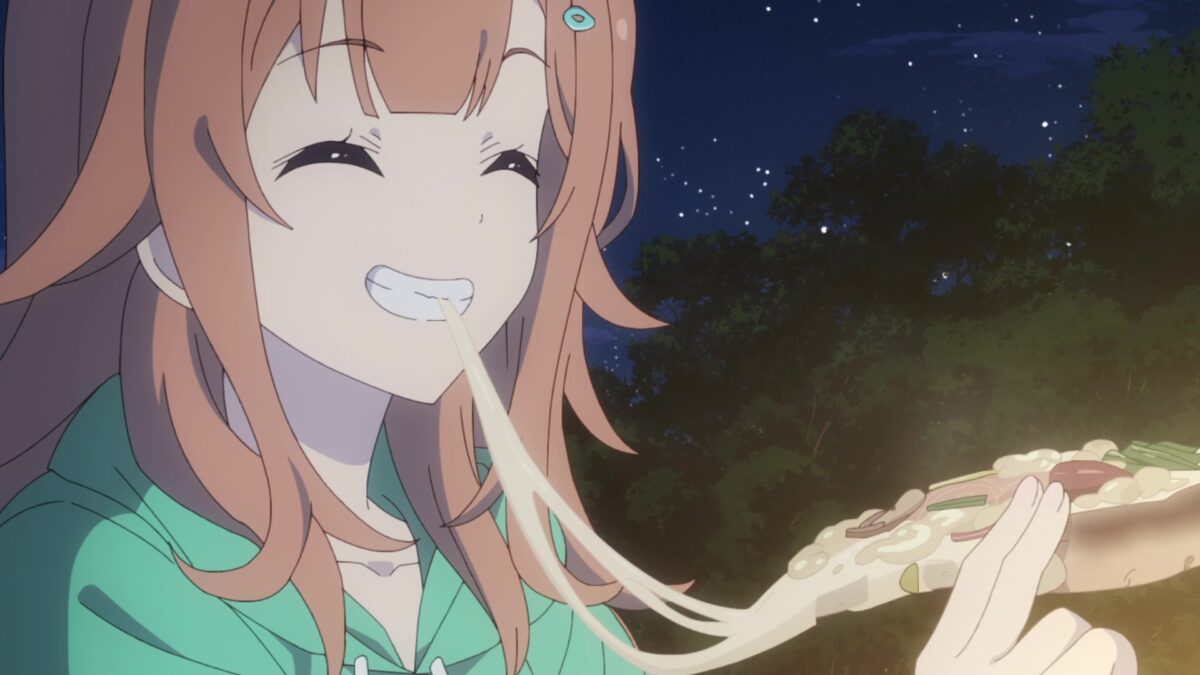
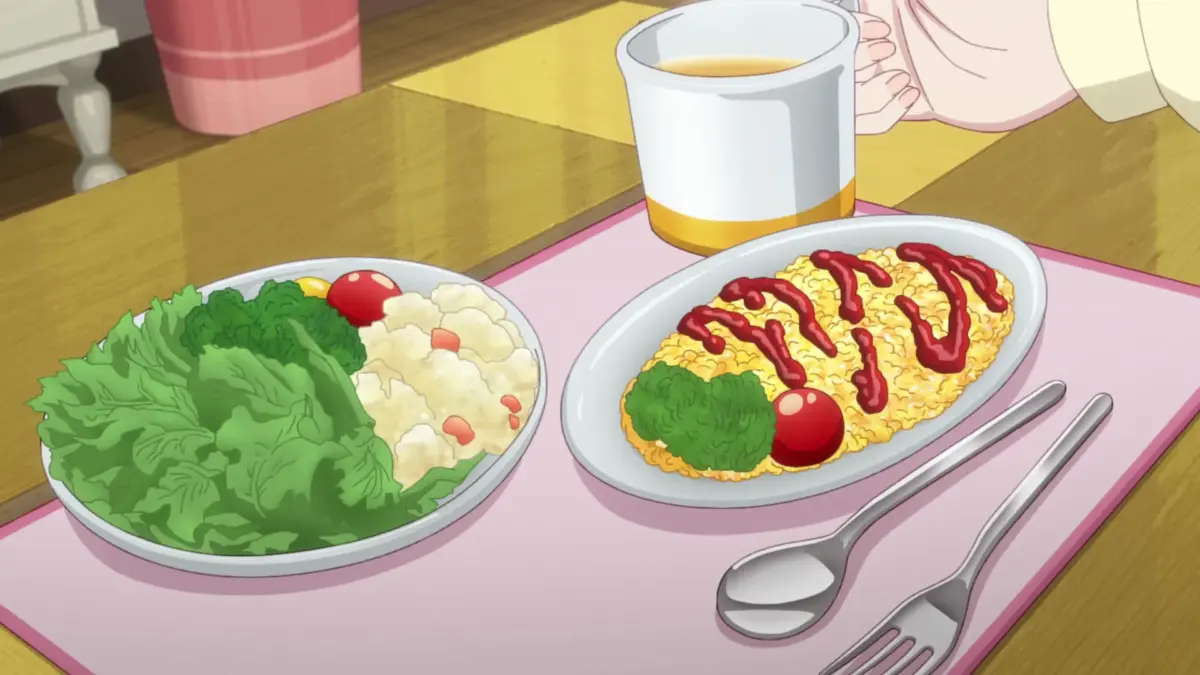
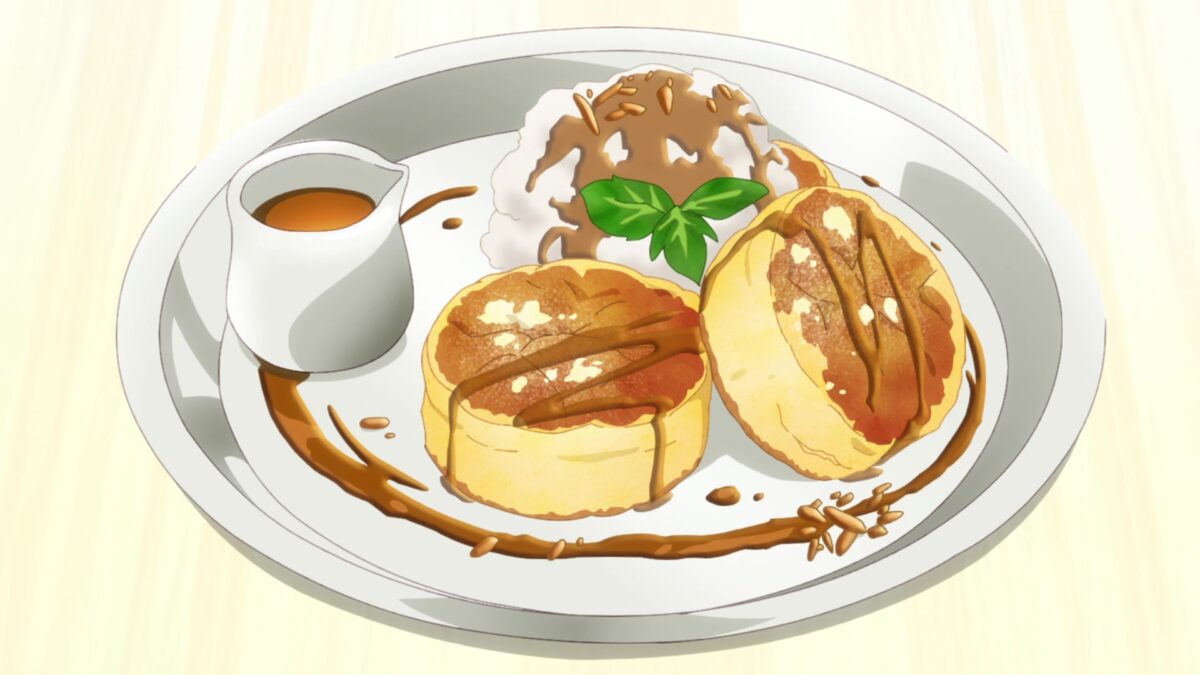
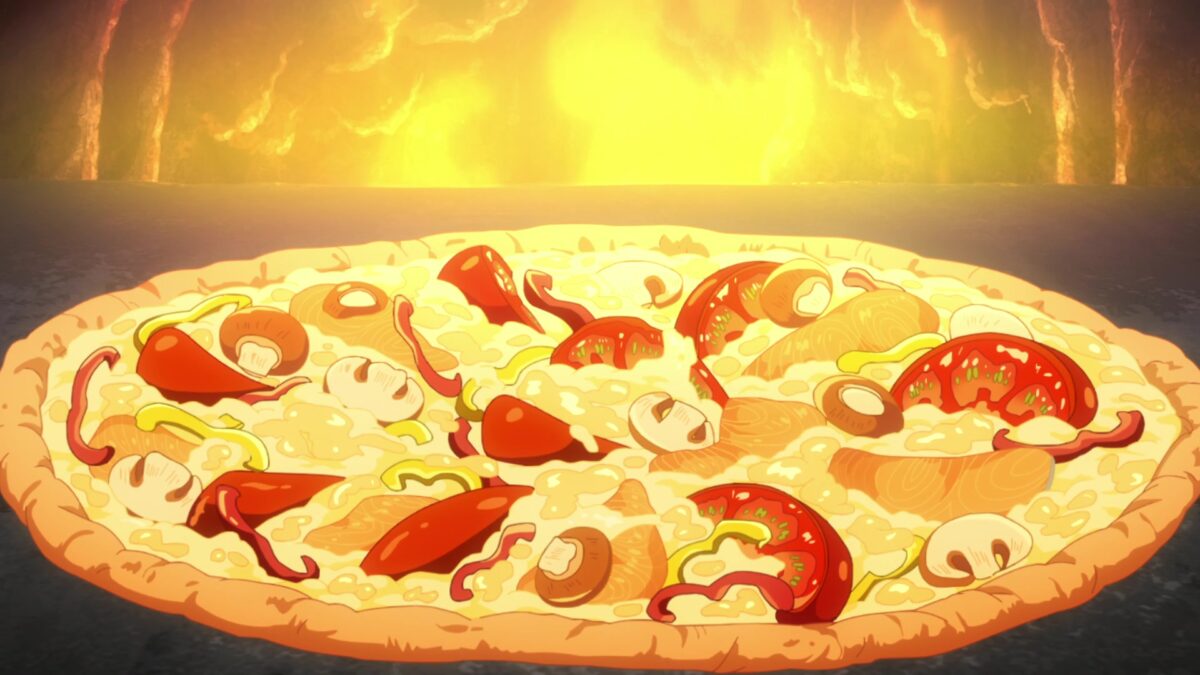
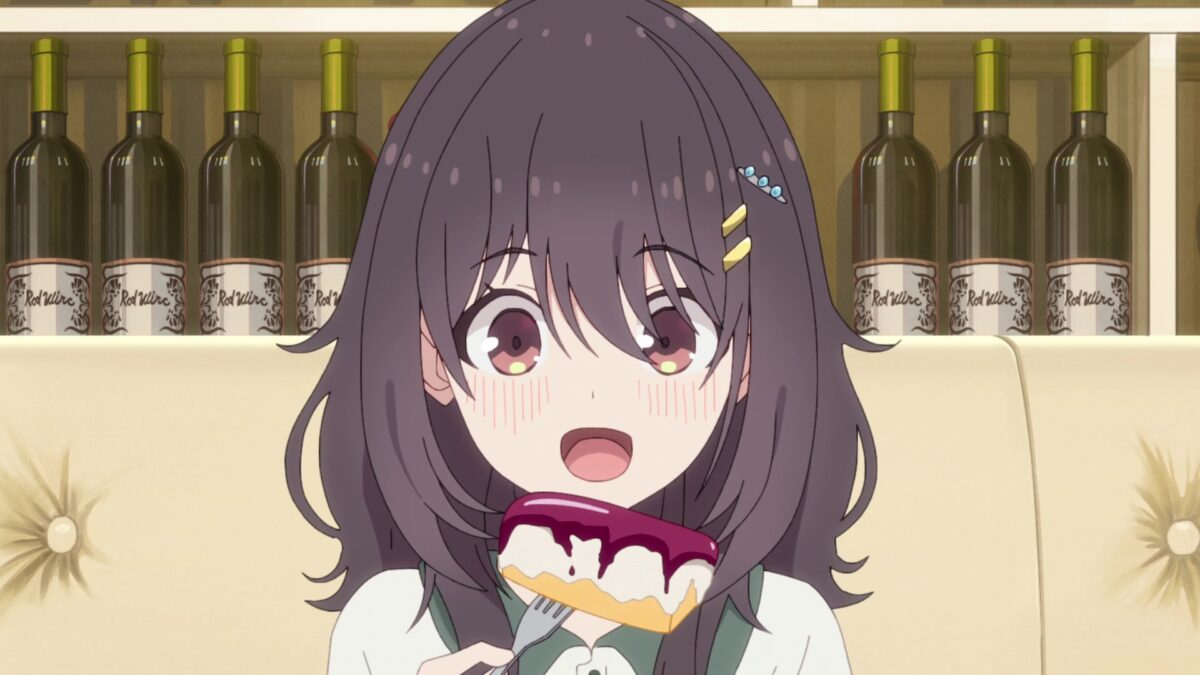
With shows like Maquia: When the Promised Flower Blooms, The Aquatope on White Sand, and Shirobaka in their repertoire, you know P.A. Works is an animation powerhouse. When combined with Atto’s storytelling, their animation leaves little to be desired. The animation screams “CGDCT.” P.A. Works crafted every cooking and gourmet scene meticulously. The show’s colors are warm and inviting, and its overall feel is cozy AF.
P.A. Works executed this anime so well that it’s one of the top ten seasonals according to MAL. You could say that the rating is unfair, and there’s some truth to that. Shows like this tend to attract a niche audience, and because that audience is more likely to enjoy it, the rating might be higher than for a mainstream show like Fire Force. But it’s not easy to find another slice-of-life show with a similar achievement. Food for the Soul deserves the love it gets.
I have no major gripes about this show. Actually, I have no gripes about this show. While Makina-san a Love Bot?! or Uma Musume: Cinderella Gray will end up as my anime of the season — Food for the Soul is my comfort show. I’ll run to it whenever my spirits are low or my mind wanders to unsavory places.
Final Thoughts
It’s arrogant of me to think that Atto (or any other writer) sees success the way I do. However, I like to believe that anyone who puts pen to paper shares the same goal — to impact someone’s life. While plenty of authors can say they entertained, significantly fewer can say they positively influenced someone’s life.
Atto can already boast that Non Non Biyori removed the noose from many people’s necks. And with Food for the Soul, they can again boast that they’re one of the best at making iyashikei anime and manga. Hibi wa Sugiredo Meshi Umashi will comfort many broken souls. I hope, in Atto’s eyes, that’s invaluable.
Time is the most valuable non-renewable resource, and because of that, you’ll rarely get a recommendation lower than 8/10 from me. I’ll only recommend shows that are worth your time. This anime is well worth giving up other shows to watch. I watched almost thirty anime this season and over seventy (new shows) this year. This is one of only six anime with a 10/10 rating. Hopefully, when you give it a try, you’ll enjoy it as much as I did. Be sure to watch it with your favorite food — your appetite will thank you.
Staff Details
Crunchyroll simulcasts Food for the Soul. The anime is directed by Shinya Kawatsura (Non Non Biyori) and Yu Harumi (The Quintessential Quintuplets). Atto is credited with the story and character creation and serves as the anime’s chief animation director. Hiromi Mizutani (Non Non Biyori) composed the show’s OST. Takeshi Takadera is the sound director. The anime’s main voice cast includes:
- Hana Shimano as Mako Kawai
- Yoshino Aoyama as Shinon Ogawa
- Ai Kakuma as Kurea Furutachi
- Natsune Inui as Tsutsuji Higa
- Saya Aizawa as Nana Hoshi
Media Factory’s Comic Alive+ is serializing the anime’s manga adaptation. It’s illustrated by Quro (Asteroid in Love). The fact that I’m living in a world where Non Non Biyori and Koisuru Asteroid’s mangakas are collaborating makes life worth living.
©Hibimeshi Production Committee

Let’s Chat
You made it to the end of this post! Thank you! As a token of our appreciation, enjoy an extra 5% off your next order when you use the code BLOG at checkout. Also, don’t forget to follow J-List on all our platforms!
- Twitter / X, where Peter posts anime booba for you
- Bluesky, where we post several times a day
- Facebook, where we used to share memes and discuss anime
- Discord, if you want to chat with other J-List customers of culture

Great news! J-List is having a huge sale on all books shipping from Japan! Until April 6, you can get 18% off all manga, doujinshi, photobooks and anime and ecchi magazines! Browse all sale products here!