Fighting anime usually don’t appeal to me. I’ve tried getting into shows like Baki, Kengan Ashura, and Record of Ragnarok. But I can’t go past four or five episodes. I don’t quit because of the fighting — I love JoJo’s Bizarre Adventure as much as the next person — but because of the genre conventions. For example, it’s hard for me to invest in characters whose goal is to be strong fighters. While tournament arcs are fun, a show that generally is a tournament feels like its world is small.
Enter Wind Breaker. I heard about this show when season one was airing. The premise is simple. An outcast kid goes to a high school for delinquents and becomes the best fighter, but there’s a twist. His school used to be anarchic, but they’ve since channeled their street thugs for good, becoming protectors of their local community. Confused by the change, but not a quitter, Sakura (Haruka Sakura) jumps into the plot with enthusiastic protagonist energy. He doesn’t fit in at Furin High School. Used to being alone, he doesn’t fit in anywhere. But he also fits in there better than anywhere he’s ever been because almost all his schoolmates are fighters. Shenanigans ensue.
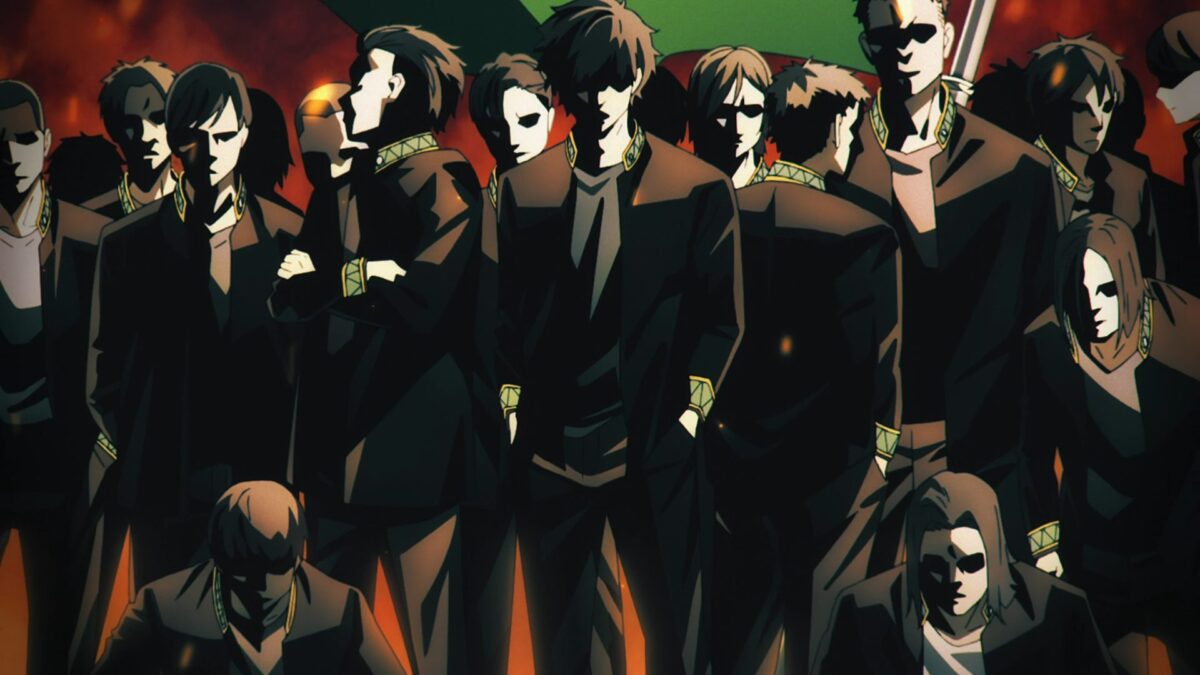
Fighting Isn’t Enough
Knowing the above, I passed on Wind Breaker for months. The high school setting was barely better than an underground fighting league. I figured there would be a bunch of fights at school, some character growth through an early dramatic loss to teach Sakura the way of things, and then some outside force would show up. Maybe a tournament arc. You know, typical shounen battle fare.
I watched the first episode of Wind Breaker about a month ago, seeing season two on the horizon, and with some disappointing shows under my belt. Then the second episode. Then the entire season. I’ll say it clearly: best fighting anime ever.
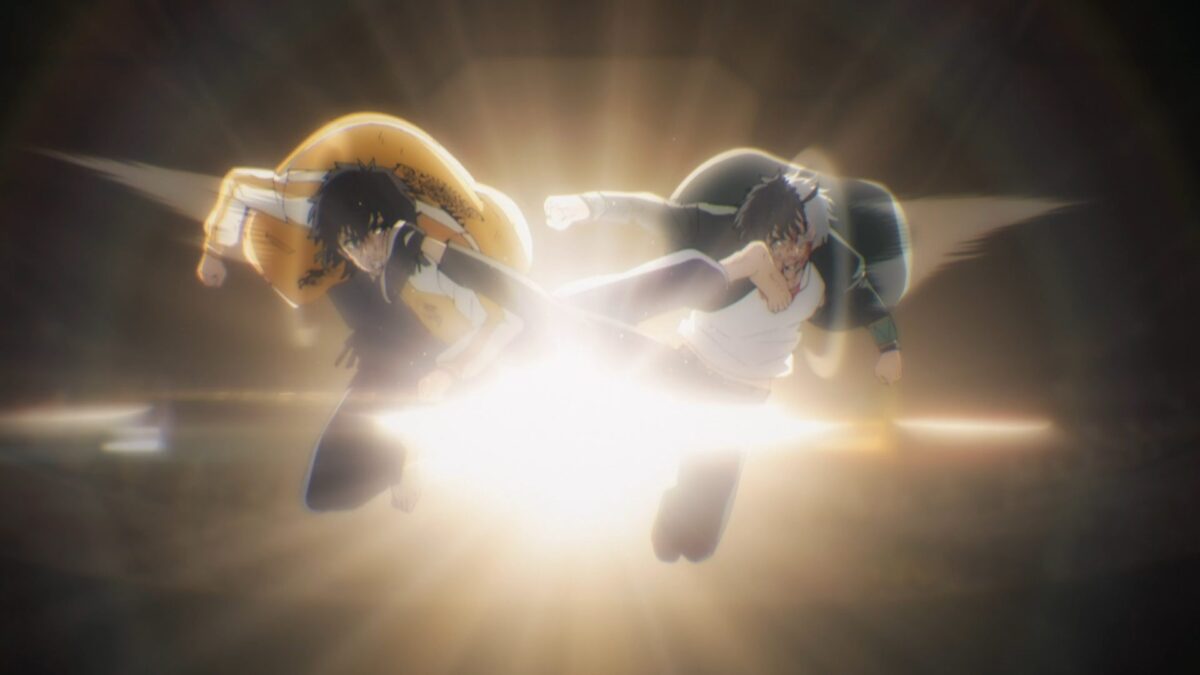
My guesses weren’t entirely wrong — there is a tournament arc of sorts in season one, for example — but Wind Breaker’s implementation from start to finish was addicting. Sakura does want to be a strong fighter, which is boring to me, but he’s also a sweet boy who wants acceptance and to help others. Fighting is how Sakura knows how to express himself, and seizing power is how he knows how to gain respect.
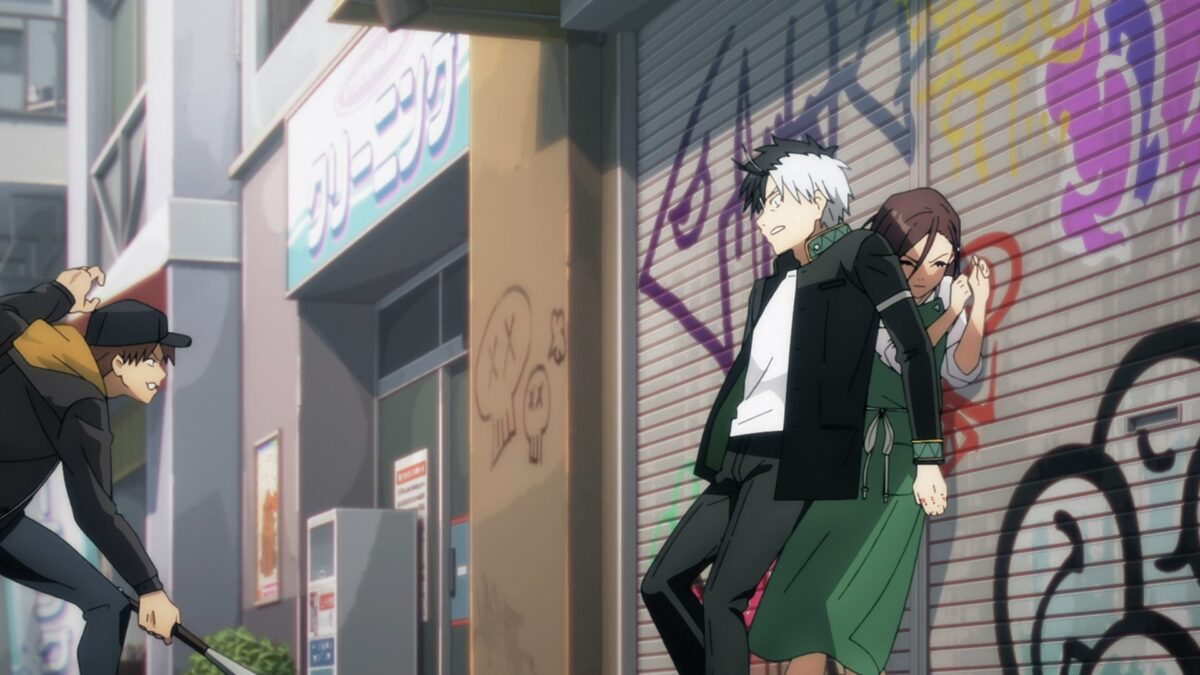
That won’t work at Furin, though. In the first episode, Sakura hears that real strength isn’t being able to beat up the guy in front of you, but one earns that power through community. This isn’t a lame magical power of friendship. If Sakura wants to be the top of Furin, he needs comrades who support his dreams because you can’t govern or lead alone. This practical advice sets up Wind Breaker as a show about comrades and respect, not a show about brutal combat.
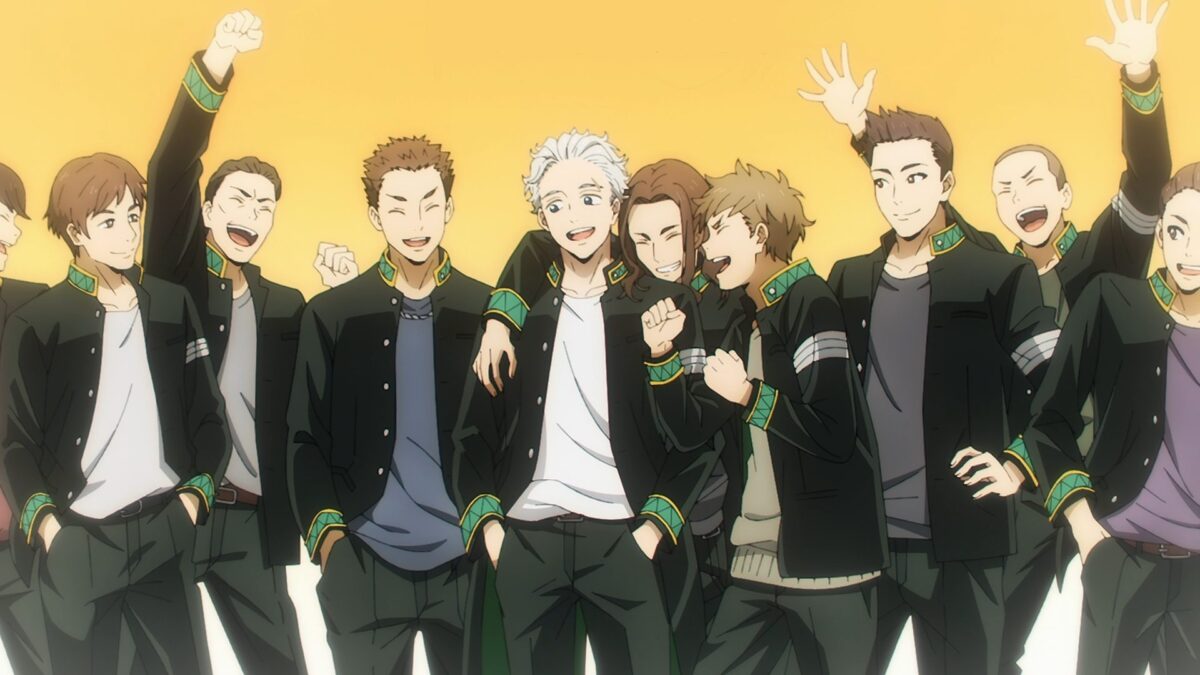
Combat is Conversation (and Exposition)
Communication is a big theme of Wind Breaker. Combat is “conversation.” When someone won’t talk, a fight can reveal their inner truth. Sakura embodies this theme as a tsundere, unwilling to share his soft side because of past trauma. Sakura’s first friend, Nirei, talks a lot and takes even more notes. Even what the quietest member in Sakura’s grade stands for and how his actions back up his beliefs define him early on.
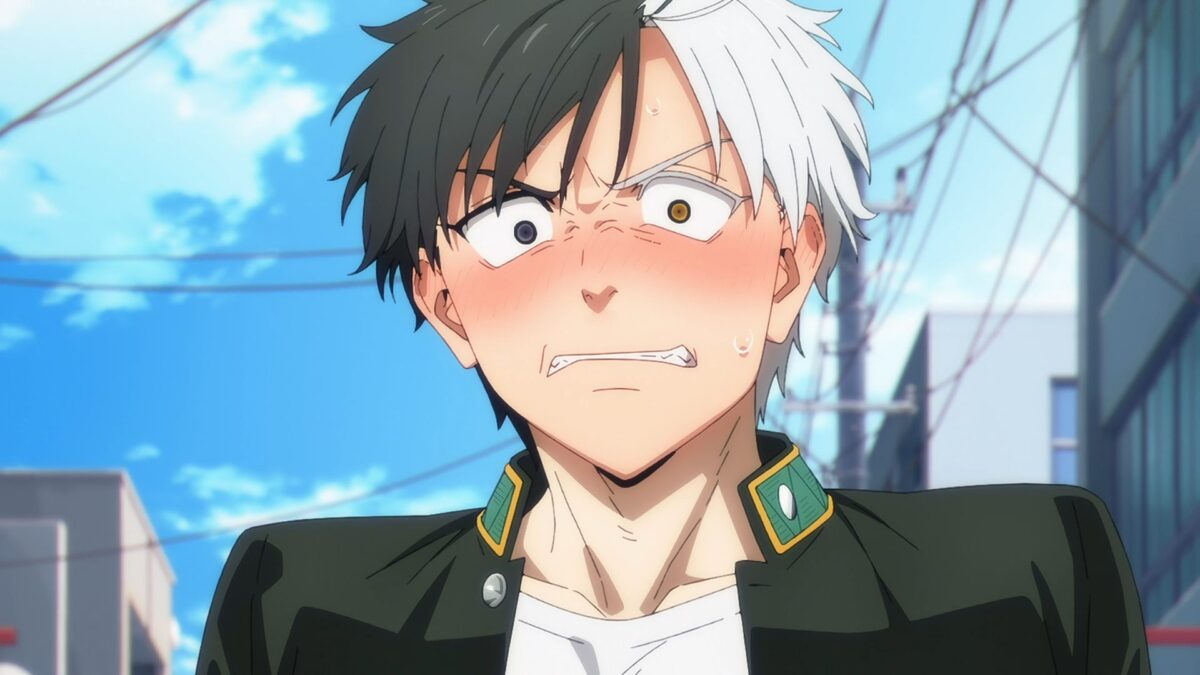
Everything is fast and loud in Wind Breaker: from fights to emotions to backstories. Everyone has a past to uncover. However, the backstory doesn’t stretch out over multiple episodes like in Record of Ragnarok. Fights and their contexts start and end in an episode.
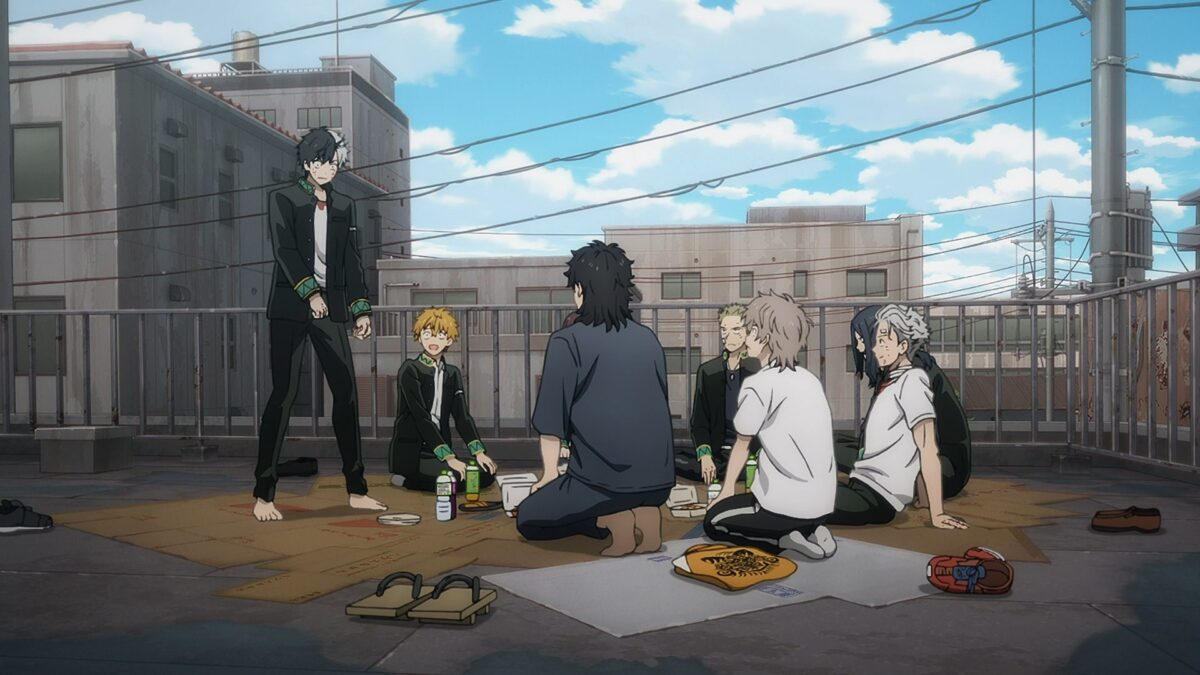
The exposition is the weakest part of the show. While I appreciate not seeing endless flashbacks, the conversations supporting Wind Breaker‘s flashbacks sometimes feel artificial. Characters on the sidelines chat about everything they know about paired fighters. The experienced cast members even explain their reads on what fighters are feeling, or what’s driving them. These conversations work to break up a fight so that it’s not just a five-minute stomping with no context, and I like that. They also make the fights feel less enthralling to the characters in the show than they can be to the viewer. That creates a disconnect.
Never Stop Fighting
Wind Breaker has a lesson about communicating better with friends and peers and not being afraid to show your inner self. Fighting has been a time-honored way for people to express emotions that are too hard to say aloud. Wind Breaker has the healthiest expression of that in storytelling I’ve ever seen. Wind Breaker is warm-hearted and filled with humans who can learn and heal. And I think anyone overcome by cynicism about the world should give it a chance. Even if you’re not a fan of fighting anime, this show is worth watching.
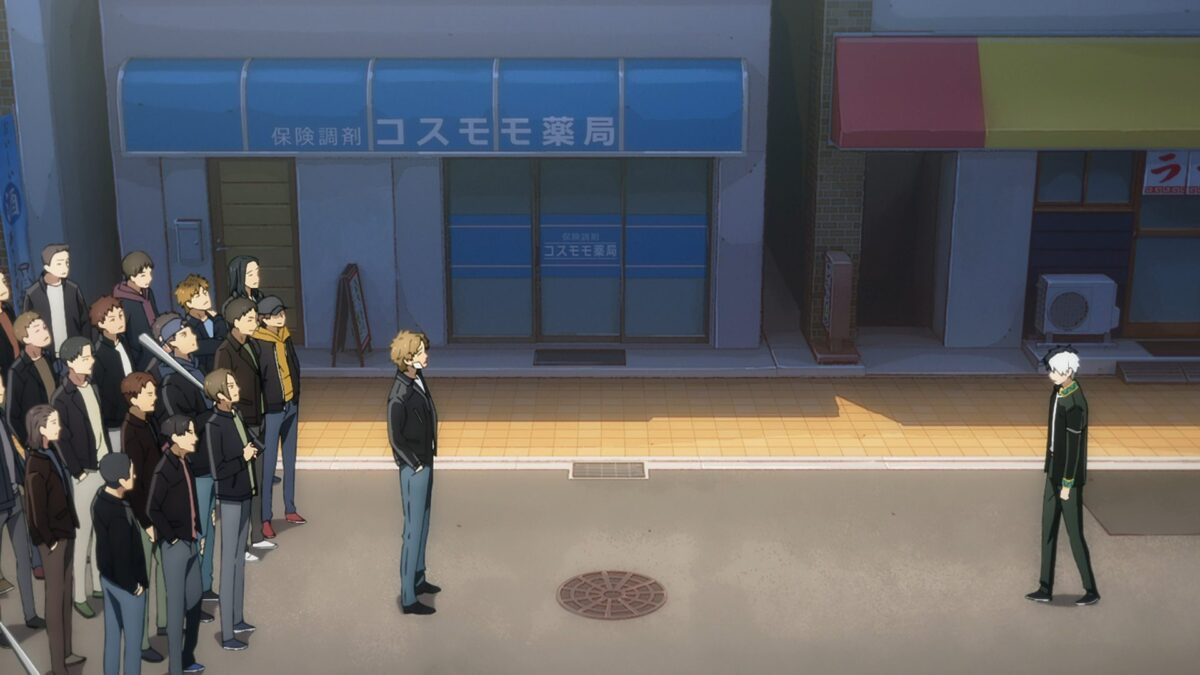
And you can see one heroic badass take on an army of thugs for justice. Who can say no to justice?
Let’s Chat
You made it to the end of this post! Thank you! As a token of our appreciation, enjoy an extra 5% off your next order with code BLOG at checkout. Also, don’t forget to follow J-List on all our platforms!
- Twitter/X, where Peter posts anime booba for you.
- AnimeWithMegumi is our new YouTube channel, where Megumi-chan discusses all things anime. Please give us a follow!
- Bluesky, where we post several times a day.
- Facebook, where you can find our blog posts… though the site has become hostile to anime memes and other fun content.
- Discord, if you want to chat with other J-List customers of culture.
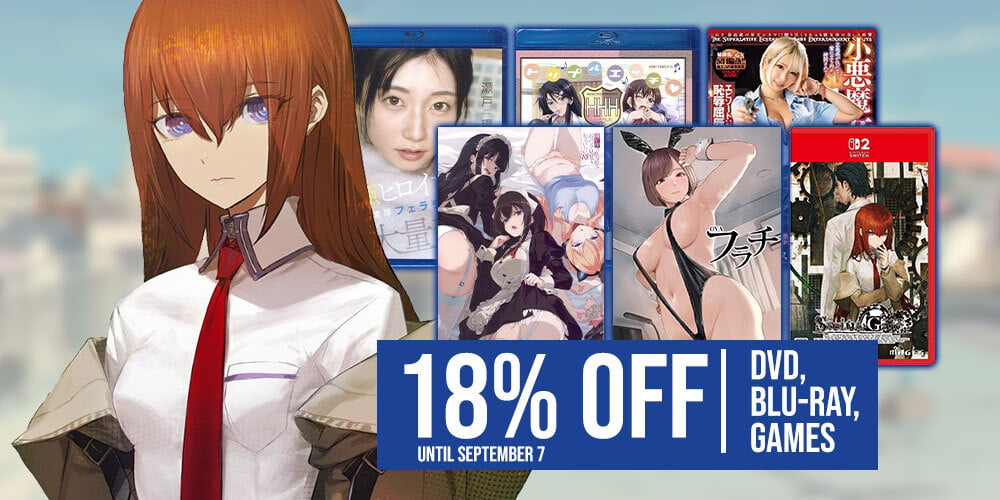
Great news! J-List has started a new sale, this time giving you a huge 18% off all anime and hentai Blu-rays and Nintendo Switch games! This means you can save on all limited anime Blu-rays, including those gorgeous 4K remastered anime releases with full English subtitles. And hentai anime DVDs and Blu-rays, as well as JAV titles. And Nintendo Switch anime games! Browse our new sale products here!