I’ve always disliked how post-apocalyptic movies bleakly paint the end of humanity. Touring After the Apocalypse (Shumatsu Touring) understands this sentiment and aims to show how endearing the end of the world could be.
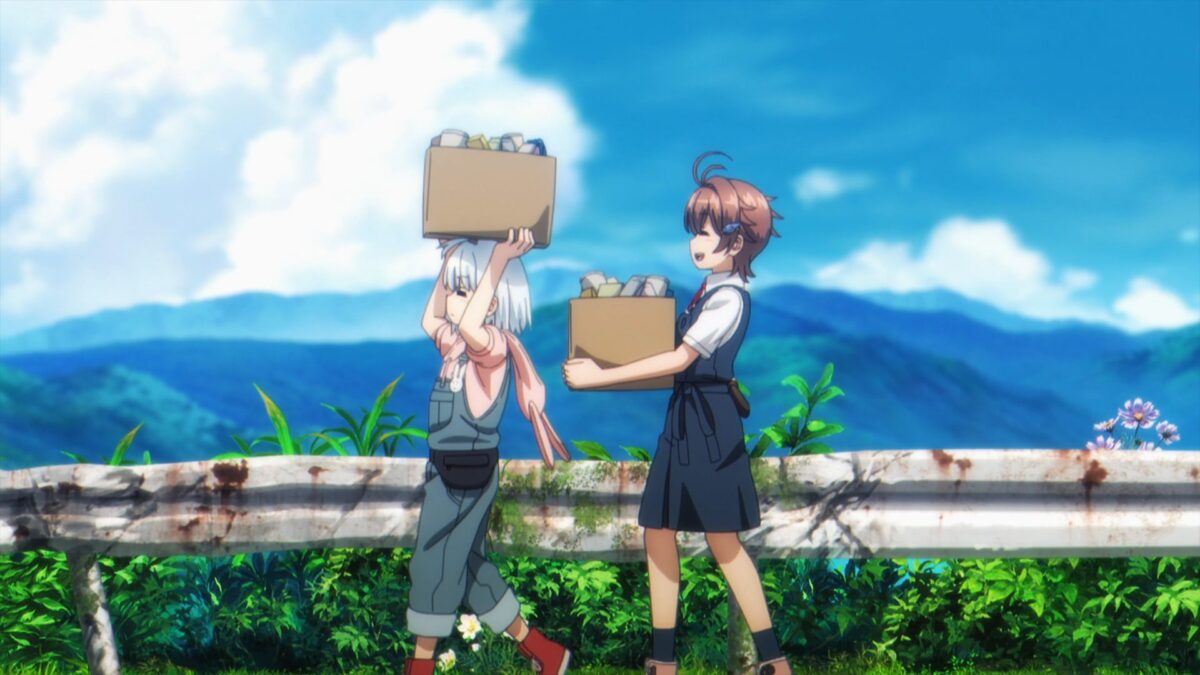
Based on the manga by Sakae Saito, Shumatsu Touring follows the kawaii loli duo of Airi and Yoko as they travel through a post-apocalyptic Japan. But what fuels their travels? Are they searching for other survivors? Are they looking for a new place to call home? Nope. The duo ventures into the unknown to visit tourist spots they know from photographs that Yoko’s elder sister once took. We do find out that the girls escaped a shelter to embark on their trip.
A warning for any CGI haters out there, this show uses it in some scenes. I don’t particularly find the CGI in this anime offensive, but I know tolerance varies.
Touring After the Apocalypse — First Impressions and a Very Brief Synopsis
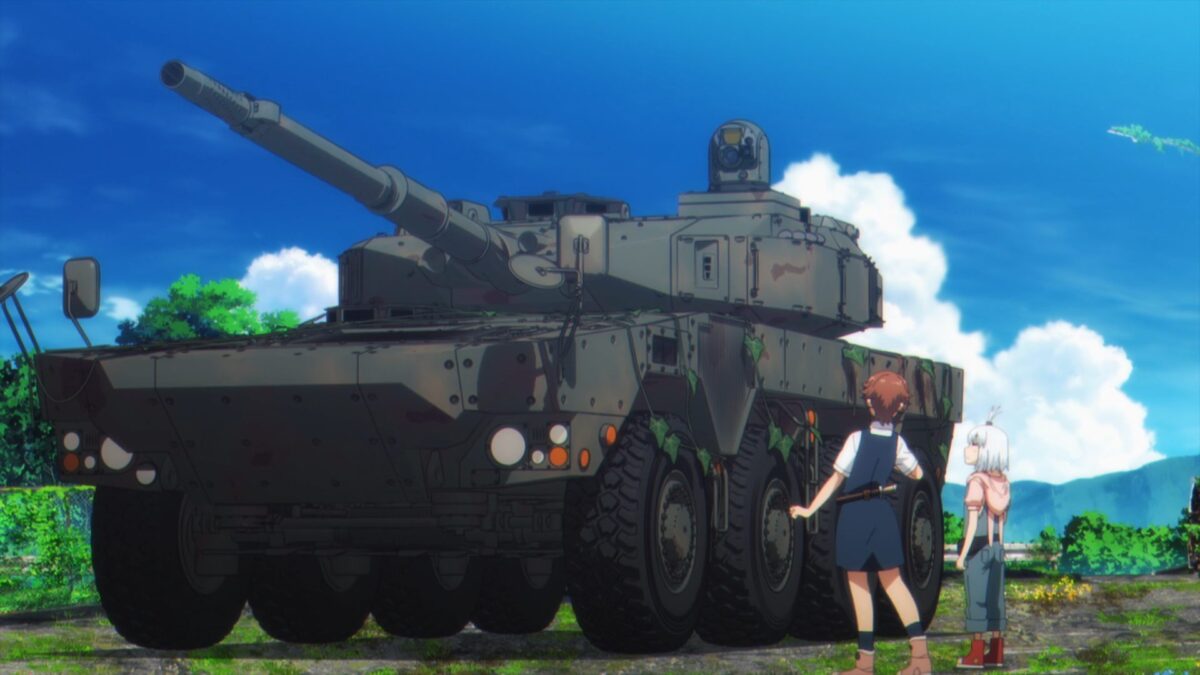
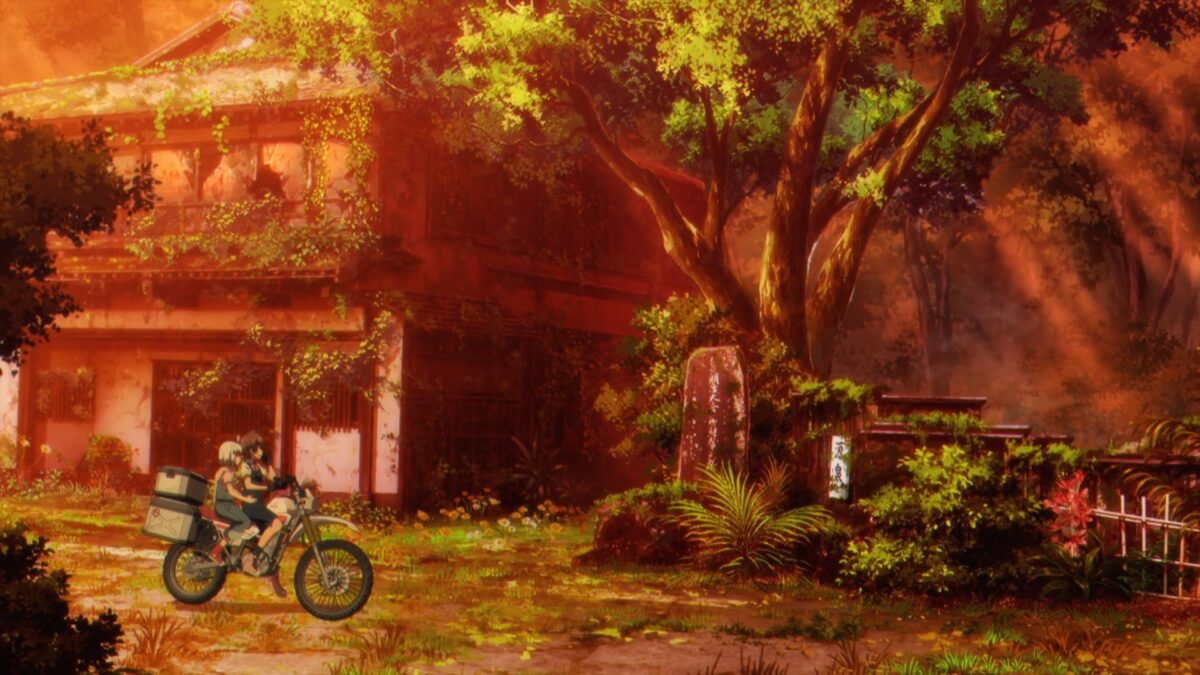
What would you do if civilization collapsed and you survived? I’d pack my High Sierra Pathway and The North Face Voyager and explore. Apparently, that means I’d get along really well with Toko and Airi from Shumatsu Touring. When their world ended, the two girls set out on a leisurely tour across Japan to visit all the sites Toko’s older sister once journeyed to. Being a slice-of-life, the first episode of Touring After the Apocalypse was relatively slow-paced. There was an incident involving a derelict combat vehicle, but I’ll skip that to avoid major spoilers. Likewise, a few things point to the situation the girls are in being far more complicated than what the first episode hints at, but again, this is a spoiler-free review.
While the show had stunning vistas and cozy moments, there was very little concrete plot. As the show stands, it seems like we’re in for a mostly fuwa-fuwa-filled post-societal collapse adventure.
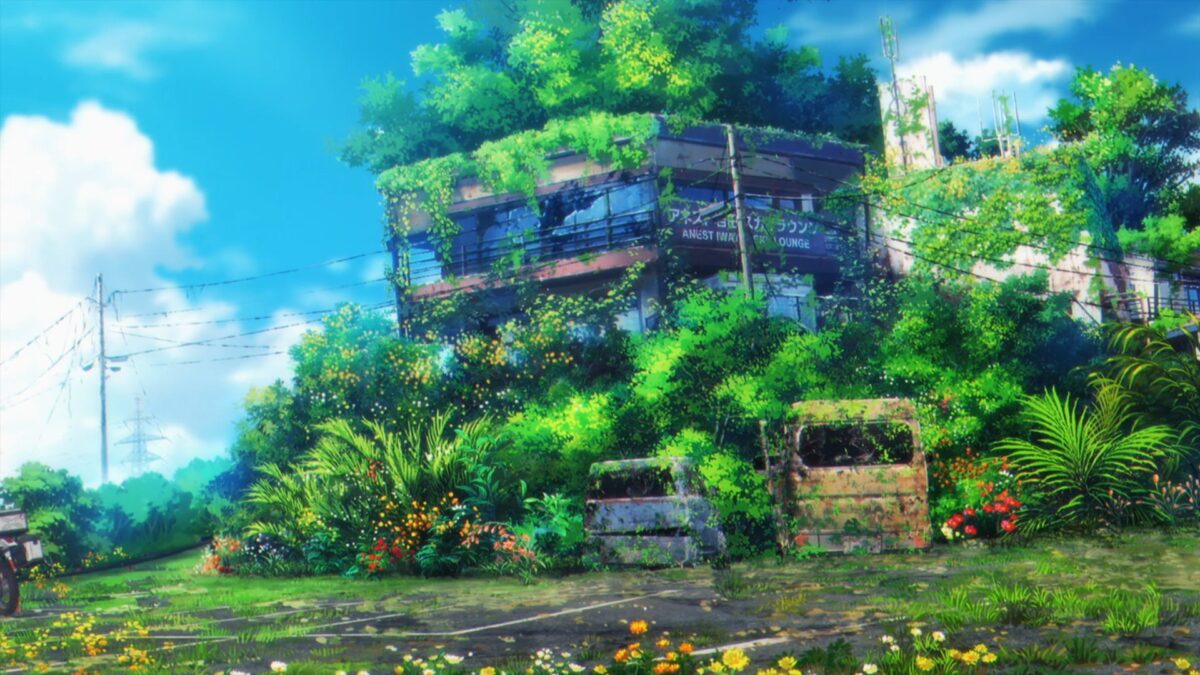
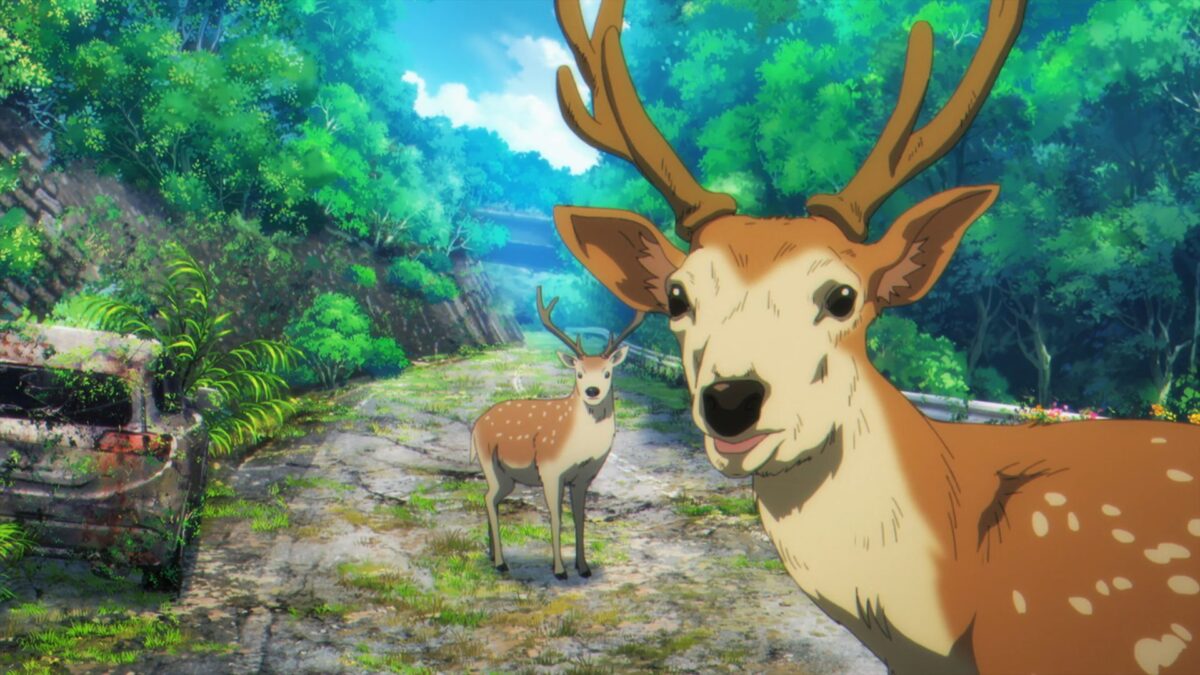
Overall, the first episode’s art was attractive. Some scenes seemed fuzzy, but that might be due to Crunchyroll’s declining performance. Studio Nexus beautifully illustrated the serene melancholy of a destroyed society. There’s a certain allure to abandoned towns and cities that most post-apocalyptic shows fail to grasp. This is predominantly due to most shows in this genre being horror flicks or drama-laden stuff like The Walking Dead and The Last of Us. But it seems that Touring After the Apocalypse traded in the usual forlornness that’s associated with this genre and substituted it with iyashikei vibes.
Even the age of the character is a plus; their youth adds to their inquisitiveness. An adult in this situation would be way more guarded. Here, the freedom and innocence of youth add to the story.
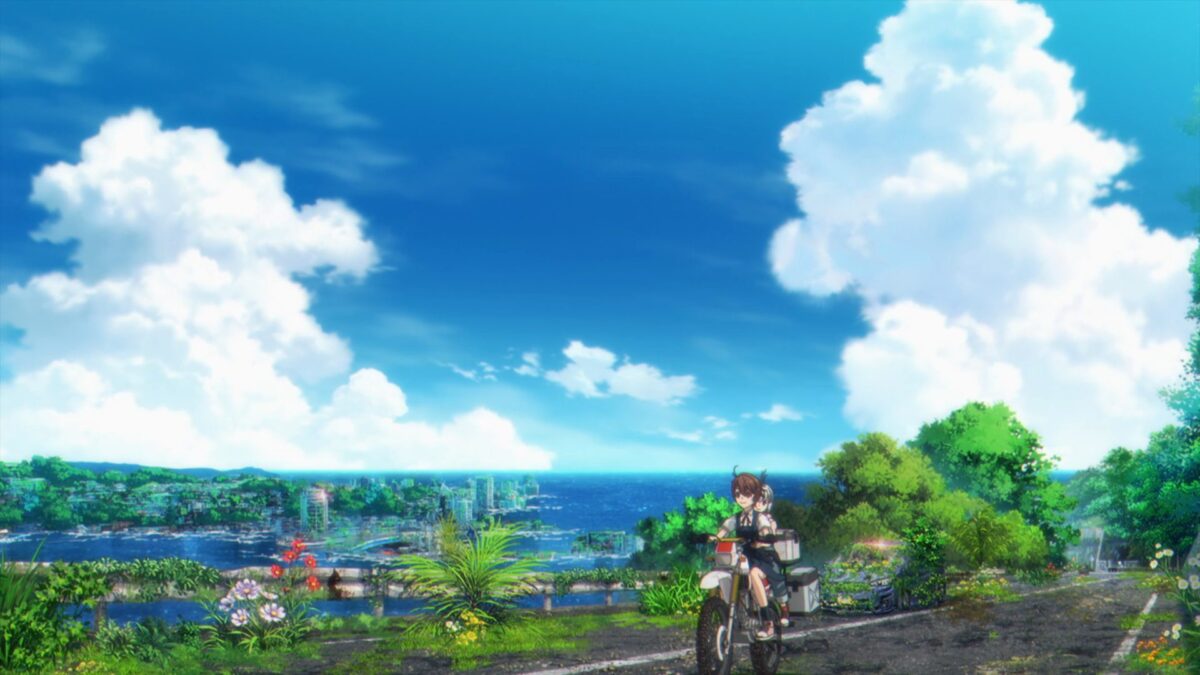


Let’s Speculate Together!
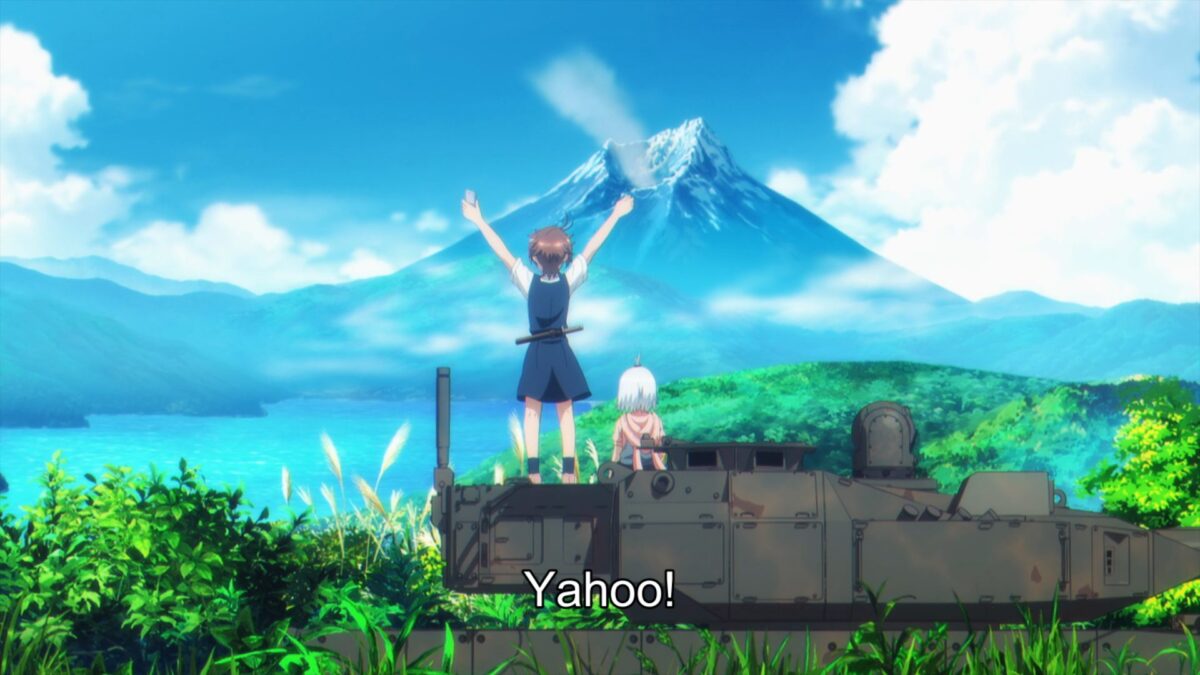
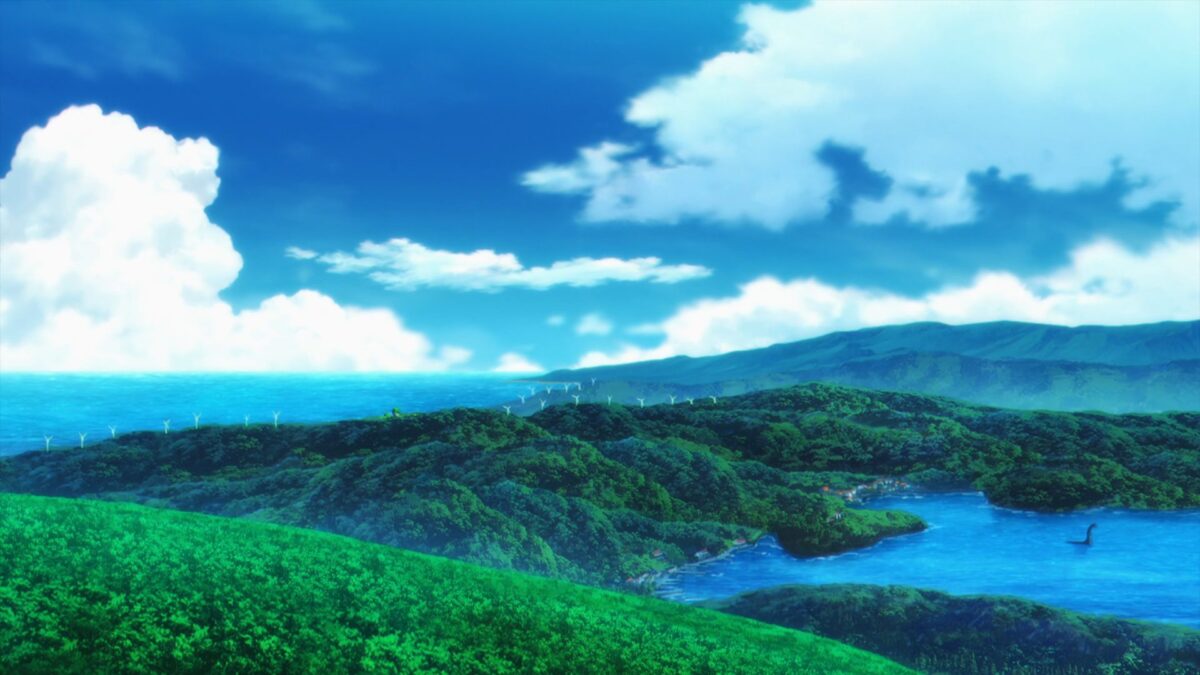
Japan has fallen. What’s causing it? Who knows. The first episode of Touring After the Apocalypse doesn’t mention what caused society’s collapse. But the omission makes the show way more alluring. That’s because we can speculate about what happened. If you paid attention to the background scenes, increased volcanic activity is evident. An active Fuji-san is a prominent feature. We also see thermal venting in Lake Asahi. But while a Fuji eruption would cause widespread destruction, it wouldn’t be world-ending. It wouldn’t even collapse Japan.
Could Lake Ashi’s aquatic monster have caused the end of the world? Also no. The best hint the show provides comes from the malfunctioning combat vehicle, which mentions increased radiation levels. But that’s not clear-cut. Nuclear bombs aren’t the only thing that would raise radiation levels. Both tectonic and volcanic activity increase ambient radiation. The slight increase in radiation is due to the release of radon gas and radioisotopes. However, these aren’t life-threatening. Airi and Toko seem okay, so we have to consider that the damage to the unmanned combat vehicle in Touring After the Apocalypse may render it unreliable in providing accurate readings.
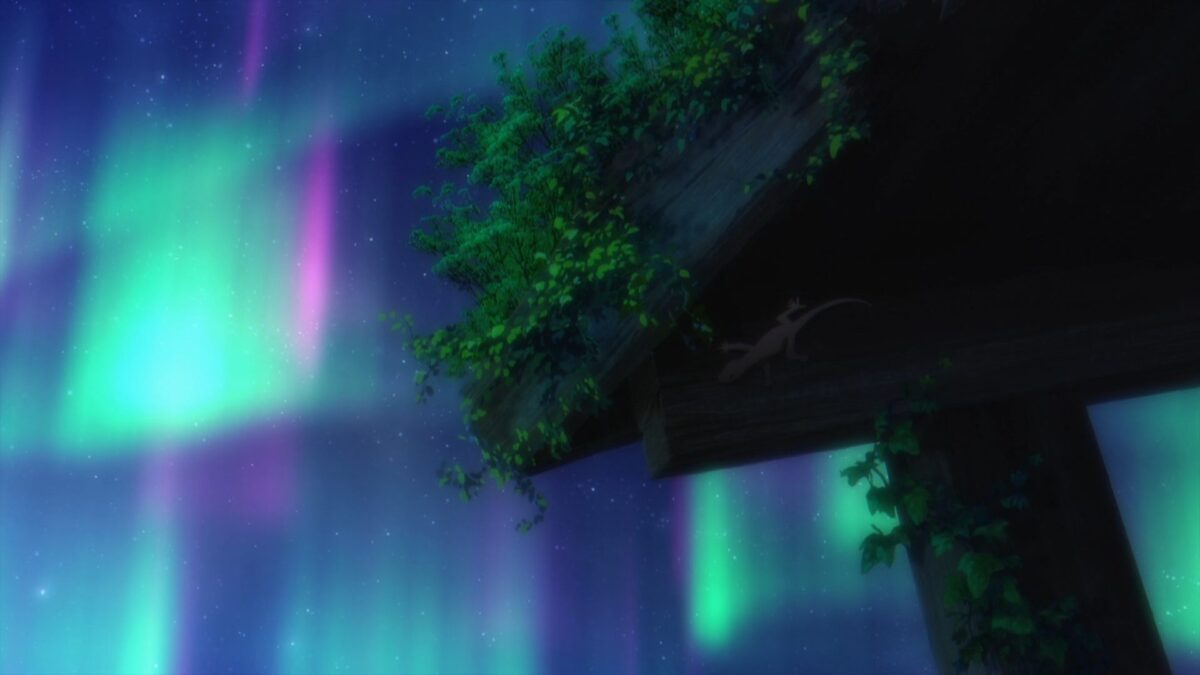
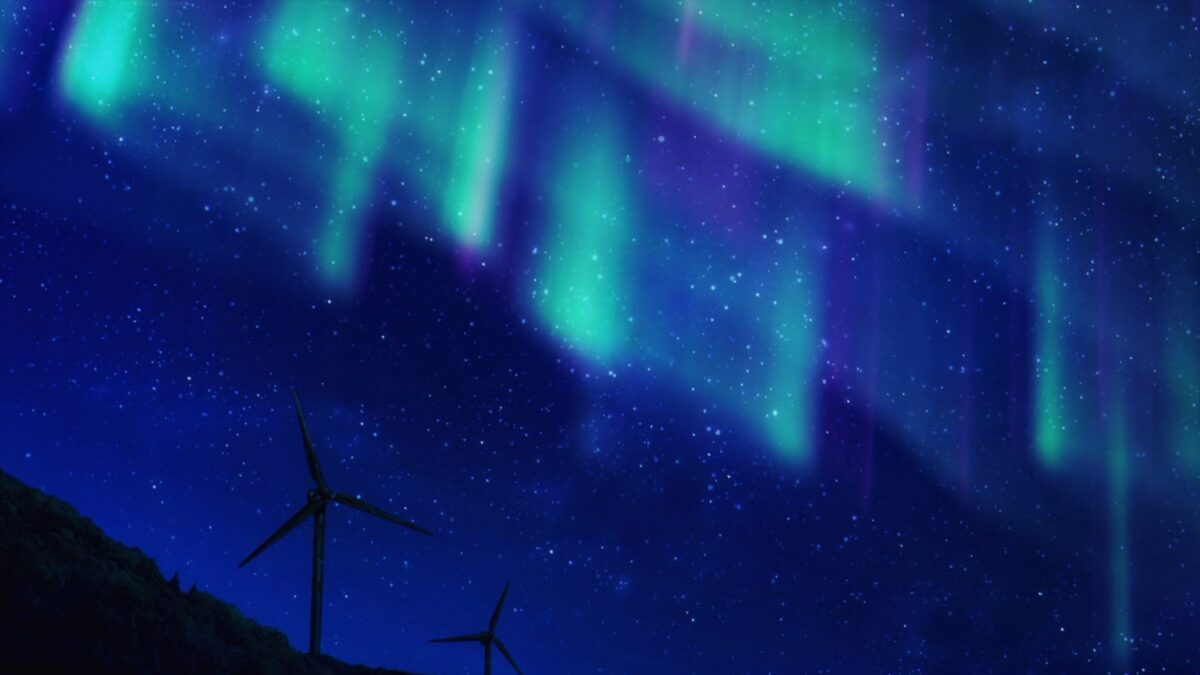
Towards the end of the episode, while the girls enjoyed their hot spring escapade (RIP to Umamusume players who haven’t gotten a hot spring ticket), we saw auroras. Japan gets auroras during periods of high solar activity. However, their presence can indicate that the world suffered a potent solar storm such as the Carrington Event. Were that to happen today, it’s bye-bye for our current way of life.

Touring After the Apocalypse Is An Honest Watch (So Far)
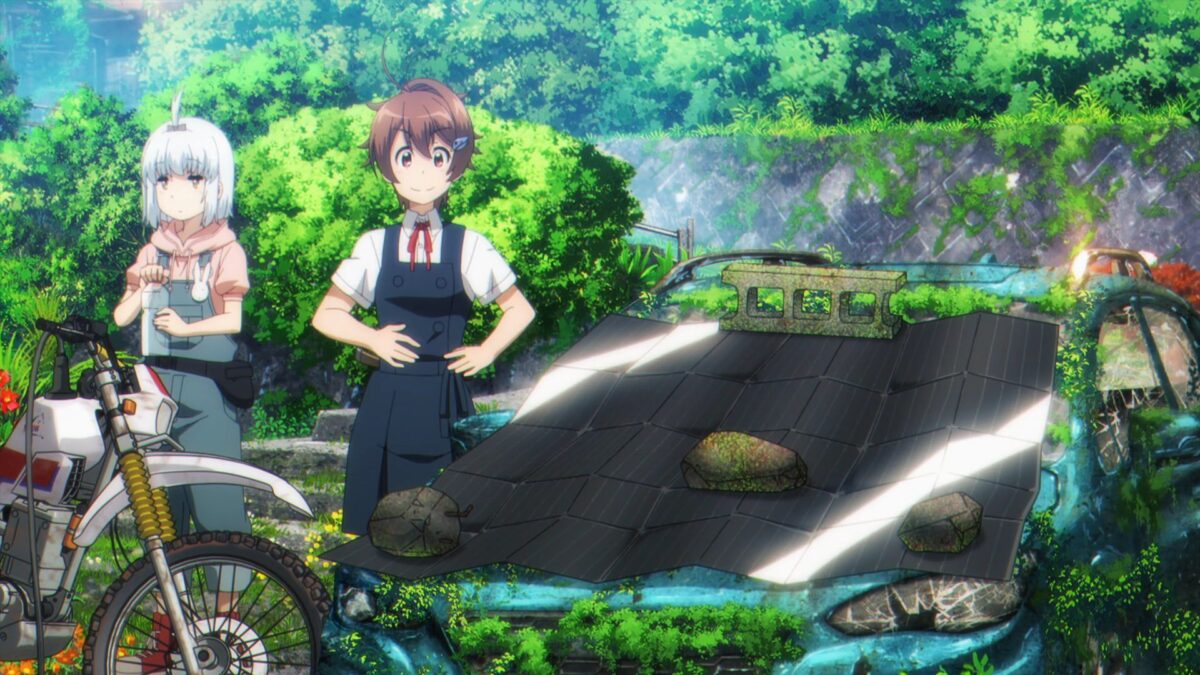
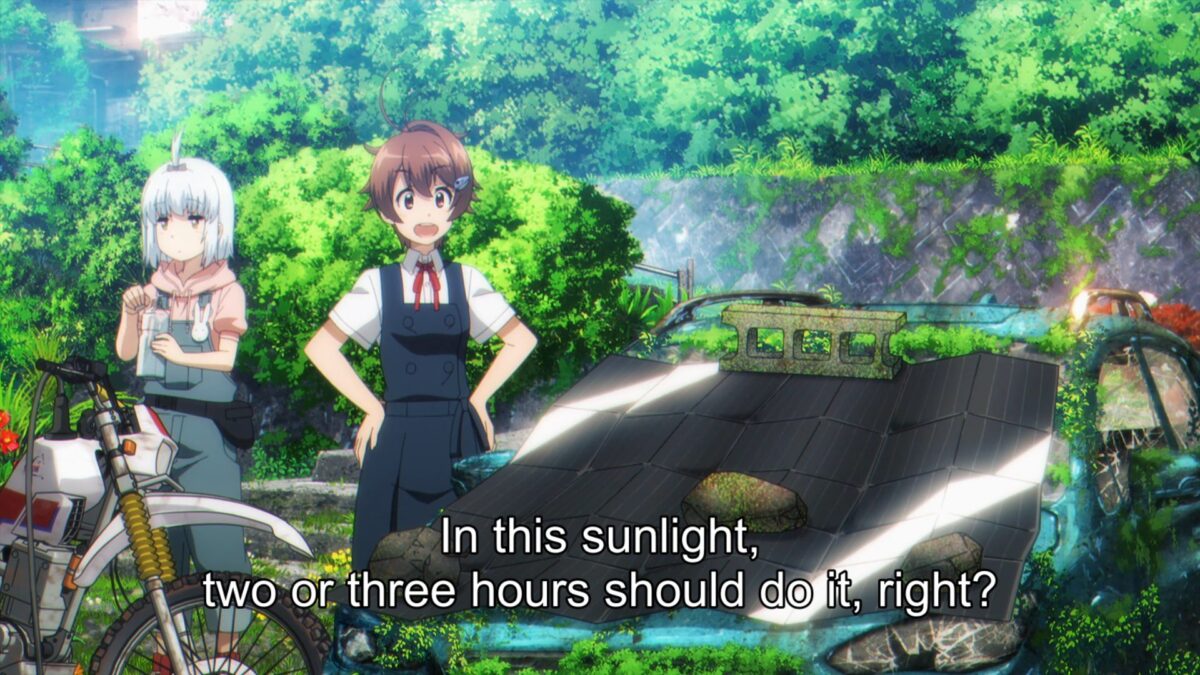
Something that’s always irked me about post-apocalyptic shows is the existence of gasoline. If the world’s decline is so rampant that mass-scale production has ceased, gasoline would be extinct within the year. Even properly stored bioethanol and biodiesel only last about a year or two. However, if vehicular travel after Armageddon is on your mind, an electric vehicle is the way to go! And that’s what Toko and Airi rely on in Touring After the Apocalypse — a modified Yamaha Serow. However, even if you service your battery and vehicle meticulously, unkempt roads and adverse conditions will render that battery useless within 10 to 15 years. But if you have a replacement, you’re free to roam.
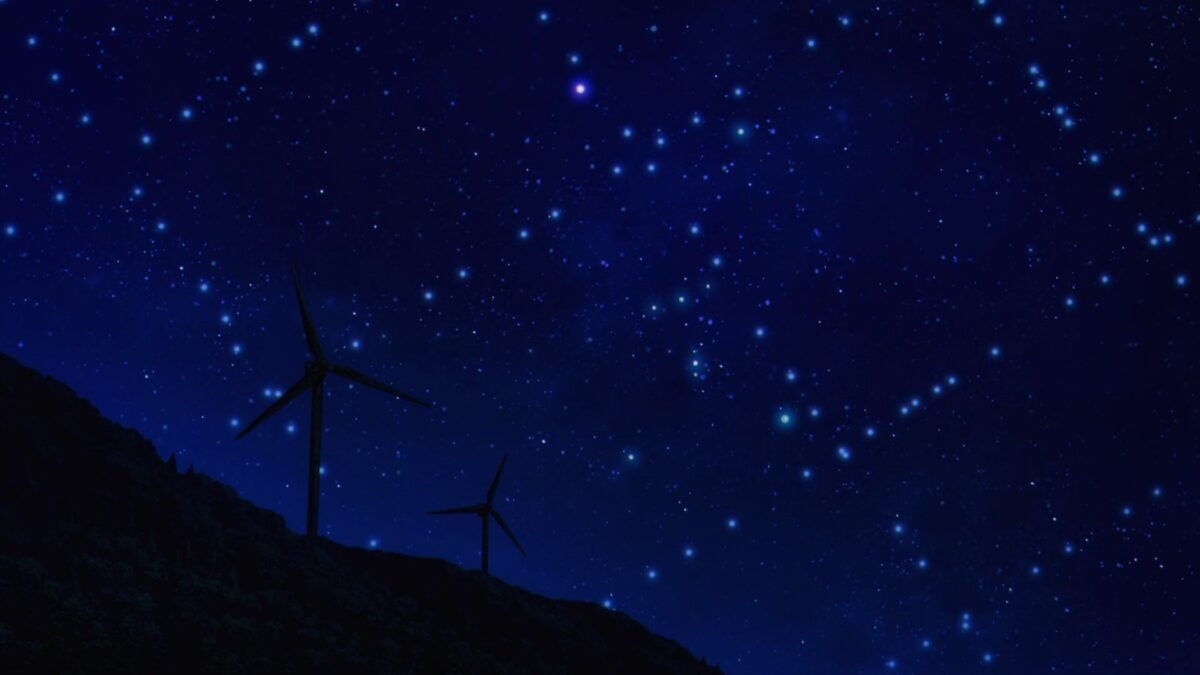
Another thing post-apocalyptic shows fail to consider is how bright a star-lit sky is when there’s no light pollution. If you want to know more about that, I highly recommend viewing Ian Cheney’s The City Dark. I bring this up because if humanity meets a sudden end, our satellites will outlive us. In a sky free from light pollution, the dizzying number of satellites would be a spectacle that’s difficult to conceptualize. Kudos to Touring After the Apocalypse for being the only show I’ve seen to depict that.

Shumatsu Touring Speaks to Me
The country I lived in during COVID took lockdowns to the extreme. For almost a year, you weren’t allowed out of your house. If you decided that the law didn’t apply to you, you’d quickly win a few weeks in jail. Since I worked from home and always loathed being around people, I thrived until the wilderness called.
When the lockdown restrictions lifted and I was finally able to travel, I worried I’d encounter crowded destinations. To my surprise, I found desolate streets, empty beaches, and mountain trails all devoid of visitors. Ever since then, there hasn’t been a day when I don’t wish I could have that desolation back. I wish I could live the life that Airi and Yoko have in Touring After the Apocalypse.
There’s something so freeing about exploring places that are devoid of the people who built them. Likewise, wandering without a destination or itinerary is a freedom most people will never experience. Some say it’s possible to do that normally, but I disagree. If you don’t believe me, book a flight to another country with no return flight or accommodations. You’ll be on a flight back home the same day. But if there are no borders and current regulations no longer exist, the only limiting factor in your adventure is you.



Touring After the Apocalypse Production Details
ASCII Media Works began serializing the Shumatsu Touring manga via their Dengeki Maoh magazine in September 2020. Currently, the manga boasts 7 tankobon volumes. Yen Press licenses and publishes the manga in North America.
Nexus Studio (Chivalry of a Failed Knight, Comic Girls) animates the Touring After the Apocalypse adaptation. The anime’s production cast includes:
- Yoshinobu Tokumoto as director
- Kazuyuki Fudeyasu as the scriptwriter
- Usaky Myouchin as the character designer
- Kenichiro Suehiro as composer
Shumatsu Touring‘s voice cast includes Konomi Inagaki as Toko and Miyu Tomita as Airi. Crunchyroll simulcasts this anime, and I can’t recommend it enough. This is the only non-sequel show of the Fall 2025 anime season that gets a 10/10 from me (so far.)

©2025 Sakae Saito/KADOKAWA/ “Touring After the Apocalypse” Production Committee
Let’s Chat
You made it to the end of this post! Thank you! As a token of our appreciation, enjoy an extra 5% off your next order when you use the code BLOG at checkout. Also, don’t forget to follow J-List on all our platforms!
- Twitter / X, where Peter posts anime booba for you
- Bluesky, where we post several times a day
- Facebook, where we used to share memes and discuss anime
- Discord, if you want to chat with other J-List customers of culture