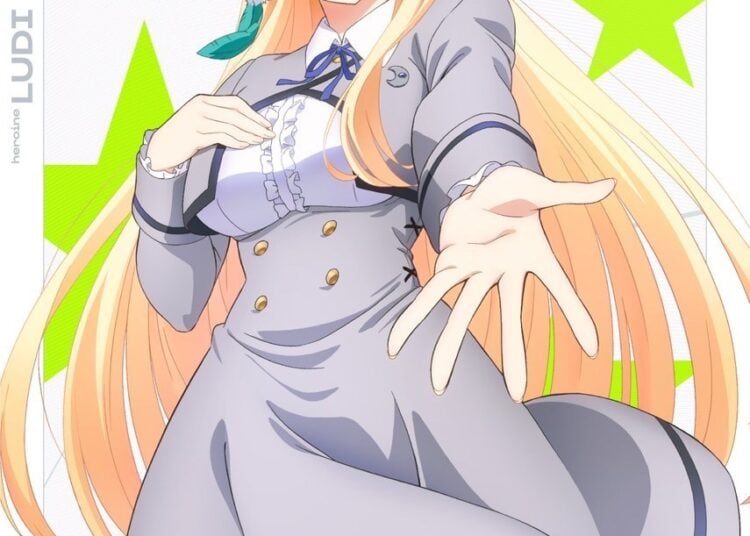
Today is a very special day: the 30th anniversary of J-List’s founding! Here’s the complete story of how our wonky anime and hentai shop came into existence!
Great news: J-List has started a new sale, giving you 18% off all DVDs, Blu-rays, and Nintendo Switch games. That means an instant 18% off all imported anime Blu-rays, sexy live-action JAV titles, hentai anime, and region-free anime games for your Nintendo Switch! Browse all sale products now!
The History of J-List: How I Created Japan’s First Anime/Hentai Shop for International Customers
The year was 1995, and the dot-com boom had begun. A company called Netscape, makers of the first modern web browser, had just gone public despite having zero revenue, and everyone was buzzing about how the world would change forever, thanks to this new “Internet” thing.
I was teaching English in Japan and was enjoying using the internet, especially discussing anime on the rec.arts.anime Usenet newsgroup. But I was also on a mission to find some interesting business to create. I could feel that a huge opportunity had arrived. I’ve always been interested in starting a business, and as a boy I idolized Nolan Bushnell, founder of Atari. (Watch my video about how he came up with the name Atari.)
Publishing Visual Novels in America
Anime licensing got going in ernest in the 1990s. Suddenly, fans could own their favorite shows on VHS tapes, subtitled or dubbed into English. I remember visiting a Tower Records in San Diego and seeing their anime corner. “What, you can buy anime products commercially now?” I thought.
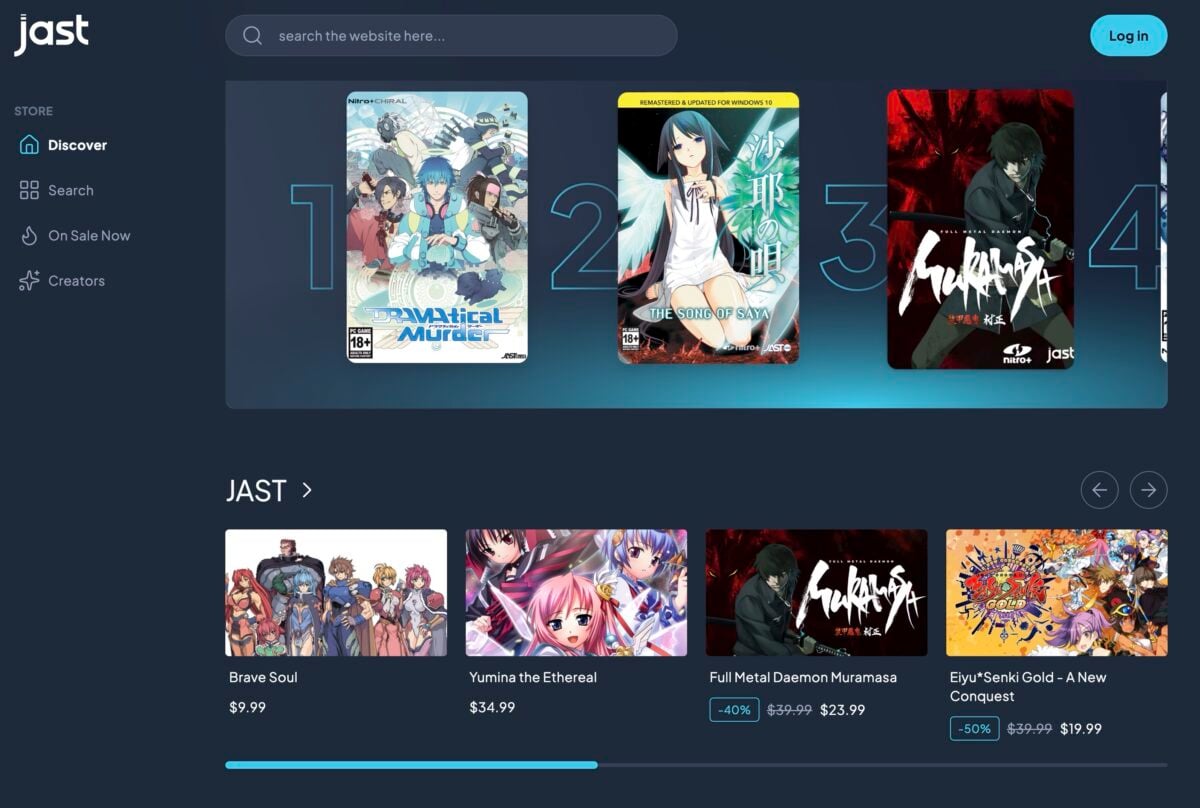
I wanted to do something more unique. Eventually I noticed that some fans would download Japanese “bishōjo games” (words like “visual novel” hadn’t been coined yet) and click through the Japanese text until they saw some boobs. I realized that if I could translate these games into English and make them available in the West, a lot of fans would want to buy them. This was the beginning of what would become JAST USA, now renamed JAST. Today JAST has grown into a sprawling digital distribution platform with more than 800 18+ games by 100 publishers.
There was another reason I felt drawn to the idea of publishing Japanese eroge in English. Since the age of 14, when I first taught myself BASIC and then 6502 assembly language, I’d always wanted to own a video game company, bringing out games people would love to play. I didn’t expect the games to be hentai, but you take what life gives you!
The Launch of JAST USA
Our first game was Three Sisters’ Story, a revenge story that, I learned today, was banned by the New Zealand government. Then came Season of the Sakura, a dating-sim game that let you attend school with girls who look suspiciously like characters from Evangelion and Magic Knight Rayearth. That game was widely pirated across Russia, and it was cool knowing that a generation of Russian fans learned English in part from a dating-sim game I’d translated.
Read next: How technology in Japan changed since we founded J-List.

J-List Was the Side Business
There was just one problem with JAST USA: we only had a couple of games translated. How could we survive as a company with such a small product catalog?
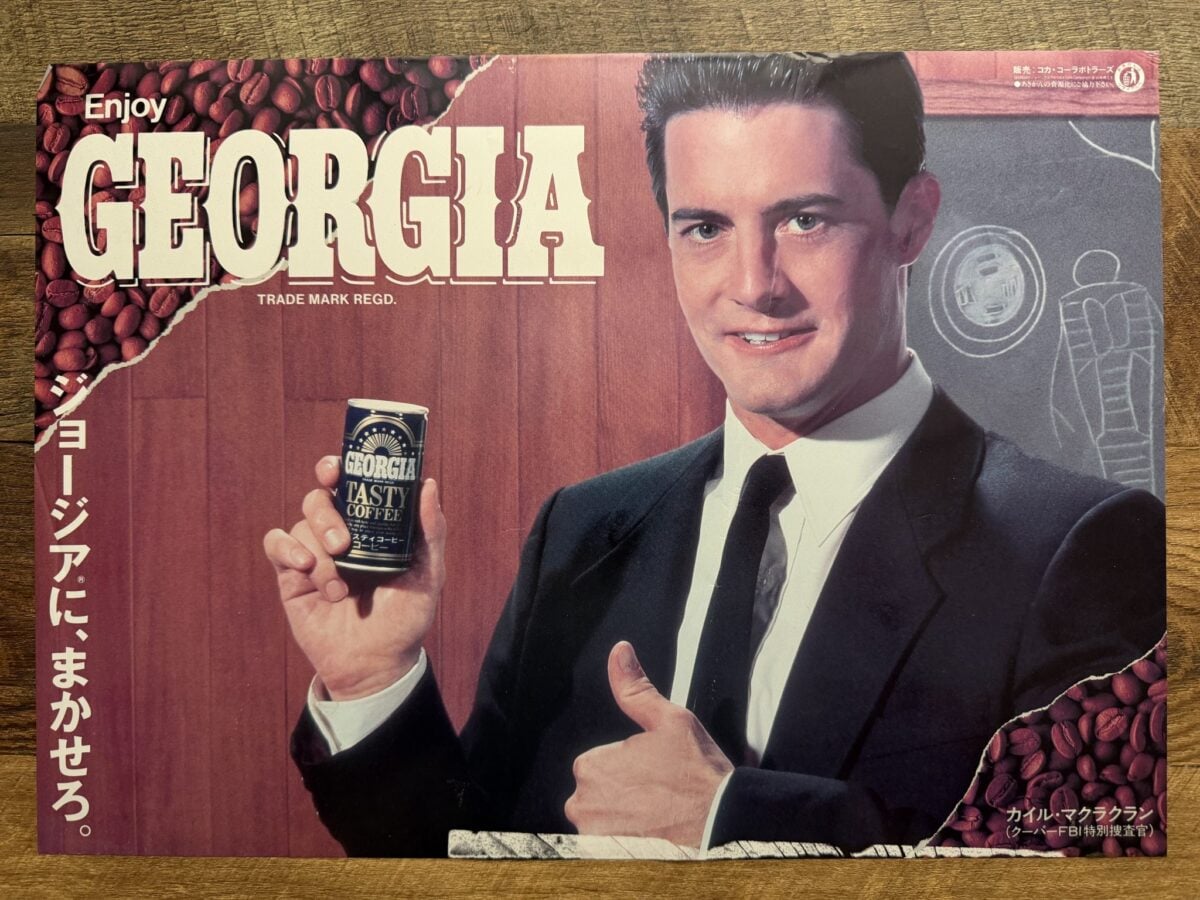
In 1994, Coca-Cola licensed Twin Peaks to advertise its Georgia canned coffee, and as part of the promotion, they had posters stuck on the outside of vending machines. I realized fans around the world would love to own these posters, so I started “liberating” the posters to sell on the nascent internet.
This trend continued, and soon I had a whole sidegig finding Shonen Knife CDs or hentai manga and selling them to fans on Usenet. I kept the list of products in an Excel file called The Japan List, and would post the list every few days. The logical answer to our problem was for me to turn that side project into a proper business. The online anime shops of the era were all based in inconvenient places like Iowa or Florida. It seemed that a store located right at the source would have a lot of potential. J-List opened for business on October 1st, 1996.
My wife watched all of this with amusement, expecting me to crash and burn. But when I stubbornly refused to give up, she realized the time had come for her to officially become part of the business. Happily for me, she had the perfect skill set with bookkeeping and accounting and became president of the company in 1998.

J-List, a Company Built on Blogging
I trace my career as an anime and Japan blogger to the release of the 1998 Godzilla movie. It came out in Japan on July 11, 1998. I’ll never forget coming home after watching the film and writing a post, which went to our subscribers via email. (Sign up here!) The response from readers was my first inkling that the most important job for J-List might not be selling bento boxes or JAV magazines, but being a bridge between Japan and the rest of the world.
And so, J-List became a company defined by me writing three blog posts a week about various topics related to anime or Japan. I’ve always loved all forms of writing, and having a place where I could share my thoughts my favorite topics was great. Being able to do this for my actual job, to write about my experiences living in Japan or evangelize an anime I personally liked, has been a dream come true.
J-List, Powered by Anime Conventions
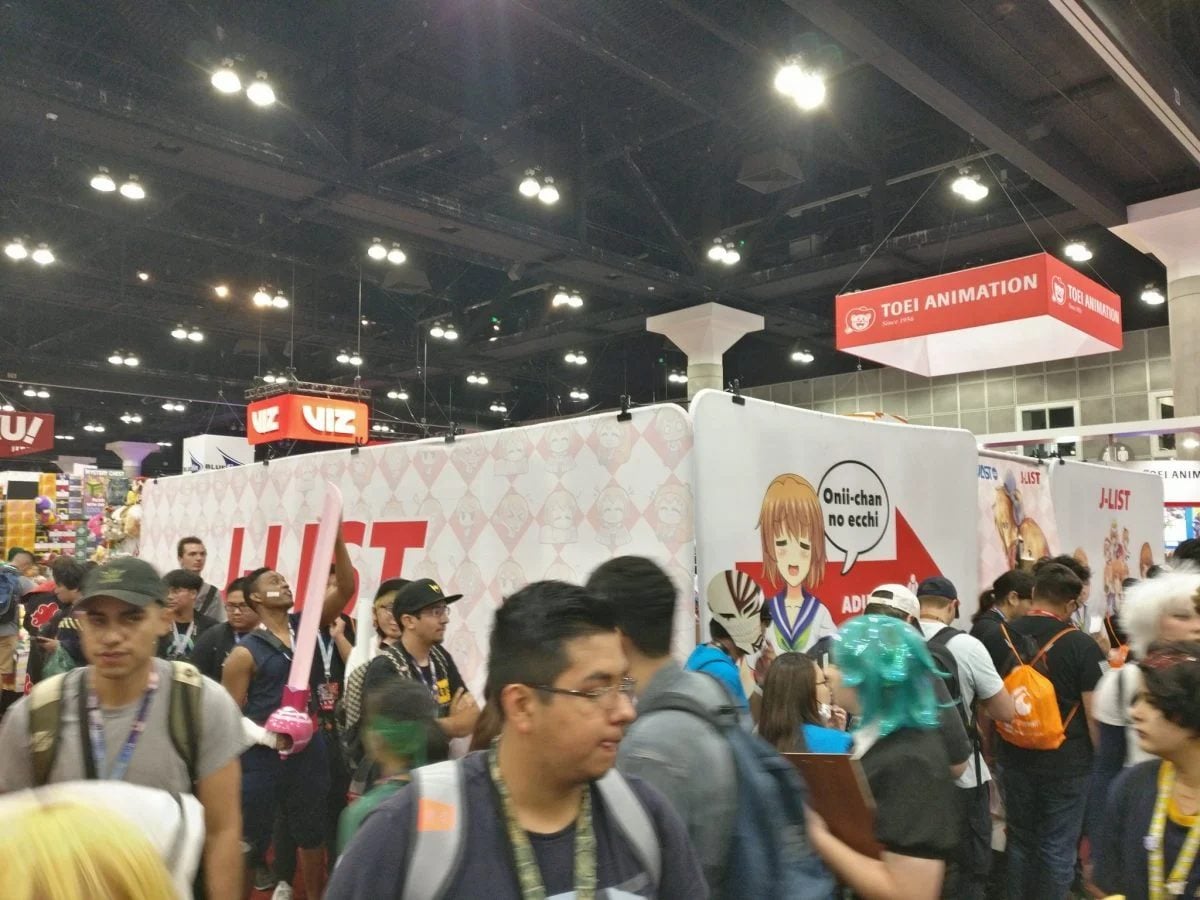
My favorite place in the world is Anime Expo, because everyone in the room is exactly like me: a lifelong fan of anime and hentai. Unlike the San Diego Comic-Con, where dozens of different fandoms blend together, Anime Expo is exclusively about shared popular culture related to Japan.
My timing in starting J-List couldn’t have been better. Our company was able to rise with the popularity of convention culture, growing as AX did. Along with FAKKU, the J-List booth became one of the most popular attractions at the whole convention. One year we had a line wrapping around our booth twice.
These days we’ve stepped away from conventions. But you can still find awesome translated manga and doujinshi from our sister company J18 Publishing at your favorite anime convention. (Follow the J18 X account to keep up to date on which conventions they’re attending.)
J-List’s Best Hits
Over the years, J-List had some insanely popular products. Like Christmas 1998, when we were the only place on the internet where you could buy properly licensed Pikachu plush toys, rather than Taiwanese knock-offs. Or the arrival of the Hello Kitty vibrator, which we sold 15,000 units of. Or having famous companies like Nordstrom or McDonald’s license products that we’d first discovered, like those cute “The Dog” plush toys. Remember that crazy horse mask that everyone associated with J-List? Read my post about 17 Times J-List Changed the World (At Least a Little Bit) for more crazy products we’ve sold over the years.

The rise of Domo-kun was a ton of fun. Domo-kun is the official mascot of NHK’s “broadcast satellite” network, and claymation clips with Domo and his friends would air between programs. The character started growing in popularity through the Newgrounds Flash game site. Then there was the “Every time you masturbate, God kills a kitten” meme on Fark.com. Somehow, J-List (a company selling adult products) was able to partner with NHK and become an official shop. If you didn’t have a Domo-kun plush from J-List in your cubicle back then, you just weren’t one of the cool kids.
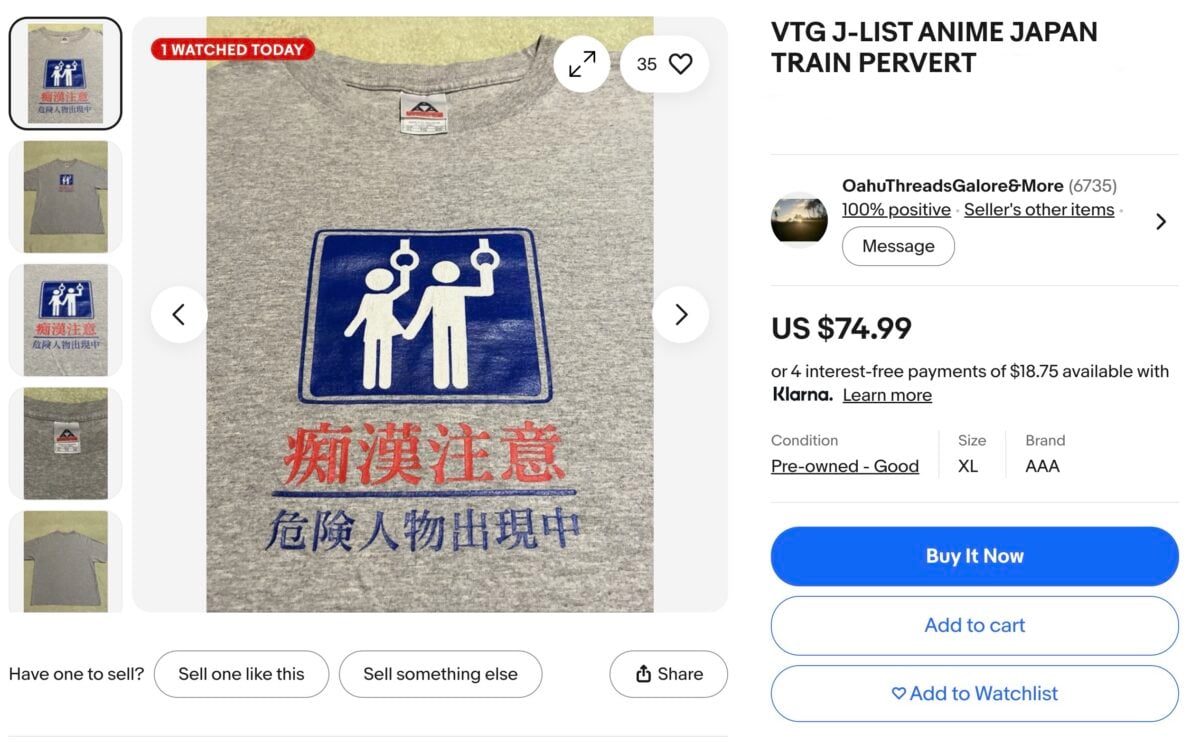
The History of J-List’s Kanji T-Shirts
Another hit product we had was our line of J-List kanji T-shirts, with funny messages printed on them. I noticed a lot of people getting kanji tattoos, which were often garbled gibberish. It seemed to me that having a T-shirt with a message like 日本人彼女募集中 (Looking for a Japanese Girlfriend) would be a safer and less permanent option for our customers who wanted to celebrate Chinese characters as fasion. We exited the T-shirt business in 2018, and now our shirts sell for high prices as “vintage” T-shirts on eBay.
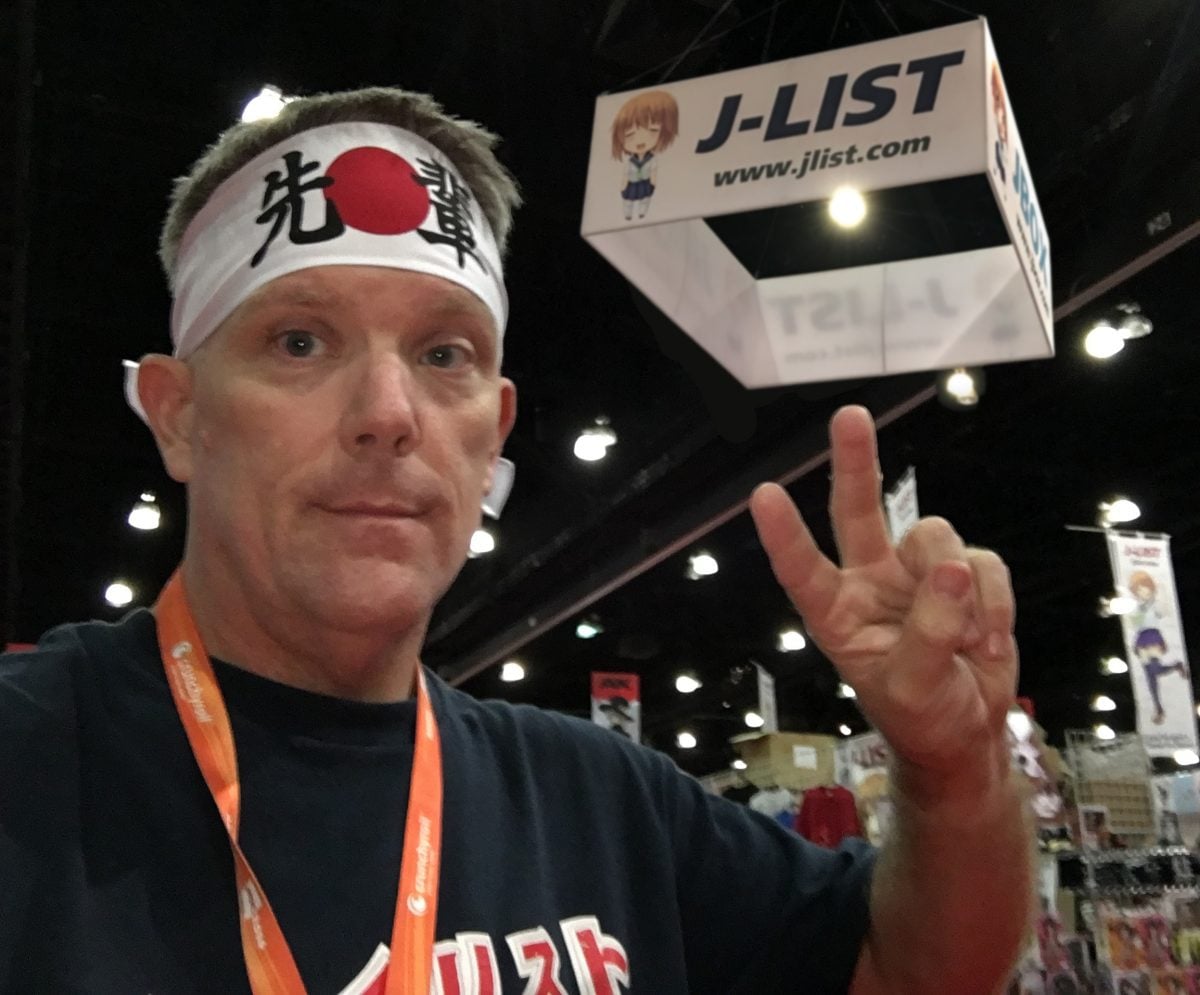
Thanks for reading this blog post about the history of J-List. We’ve been extremely lucky to have such great customers over the years, and we thank everyone for your warm support! We hope to keep on being Your Friend in Japan for a long time!
Let’s Chat
You made it to the end of this post! Thank you! As a token of our appreciation, enjoy an extra 5% off your next order with code BLOG at checkout. Also, don’t forget to follow J-List on all our platforms!
- Twitter/X, where Peter posts anime booba for you.
- Megumi Channel is our new YouTube channel, where Megumi-chan discusses all things anime. Please give us a follow!
- Bluesky, where we post several times a day.
- Facebook, where you can find our blog posts… though the site has become hostile to anime memes and other fun content.
- Discord, if you want to chat with other J-List customers of culture.

Great news: J-List has started a new sale giving you 18% off all DVDs, Blu-rays, and Nintendo Switch games. That means an instant 18% off all imported anime Blu-rays, sexy live-action JAV titles, hentai anime, and region-free anime games for your Nintendo Switch! Browse all sale products now!