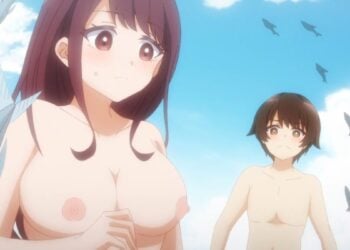
Happy Moe Day! Today, October 10th, has been designated by Japanese Internet users as “Moe Day” because of the way the kanji 萌 appears when read a certain way. Let’s explore the history of this fun otaku event, and why Japanese fans use this day to celebrate cute anime girls!
J-List has started a new sale, this time on all hentai manga we have in stock, as well as limited anime Blu-ray titles, and anime games for your Nintendo Switch. Get 18% off all these products until March 23. Start browsing here!
Why Is October 10th ‘Moe Day’ in Japan? It’s All About the 萌
The Japanese language has changed quite a lot in the 80 years since World War II ended. As Japan was rebuilding its ruined nation, educational reformers pushed for the modernization of the Japanese language, in a move that mirrored the creation of the Simplified Chinese system in mainland China. Japan also introduced yoko-moji, writing Japanese text in a horizontal line, reading from left to right, as we do in English.
If you write October 10th in kanji horizontally, it looks like十月十日. When written vertically, read top-to-bottom and right-to-left, it resembles the kanji 萌. When savvy Internet users noticed this, they decided to make it a special day to celebrate the cutest anime girls online!
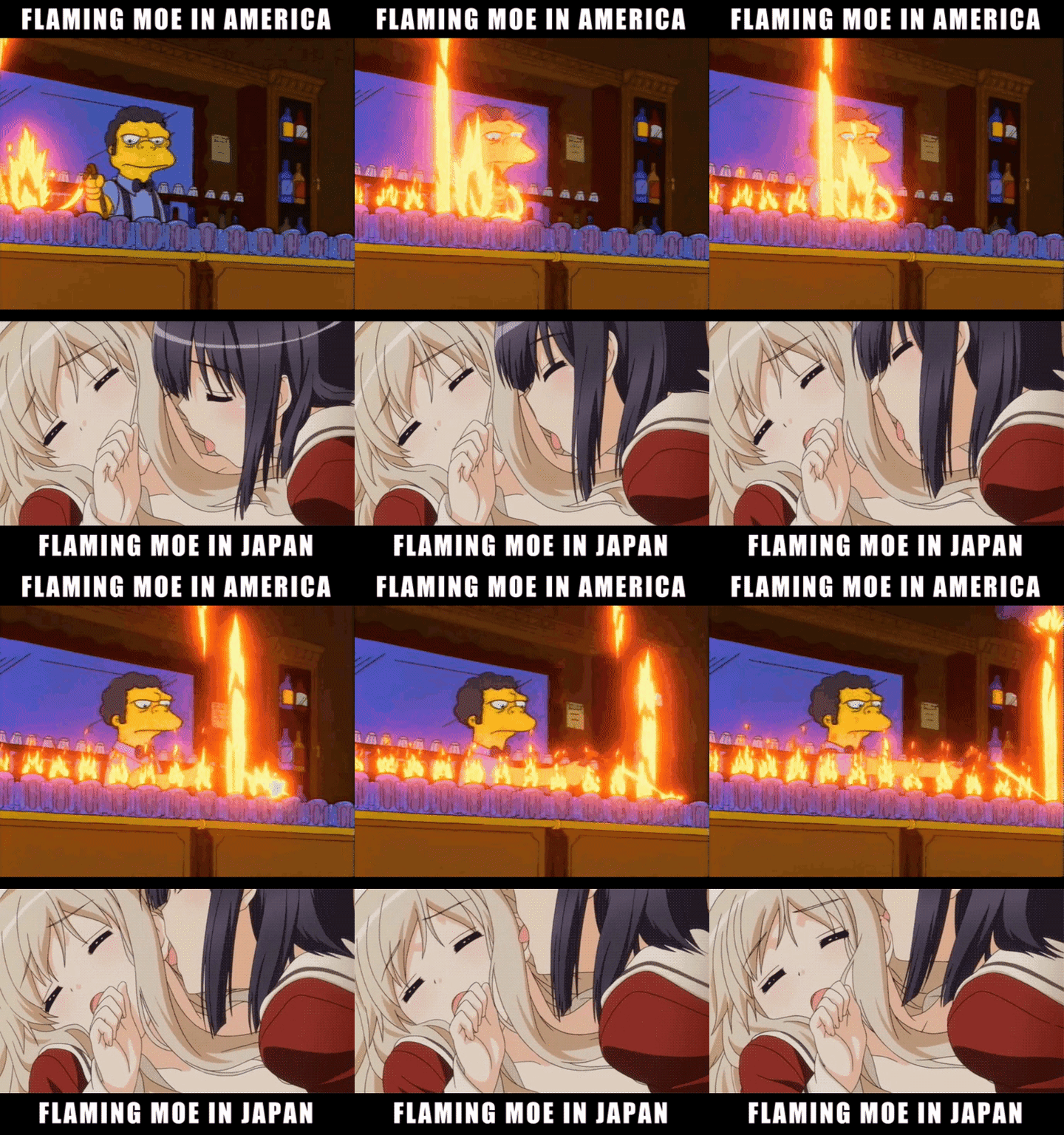
The History of Moe in Anime Fandom
The term 萌える moeru means “to sprout,” like saplings pushing up from the ground. But it’s phonetically the same as 燃える moeru “to burn,” as in a house burning, or our passion for a specific anime character. In the late ’80s and early ’90s, as bishoujo games featuring super-cute girls exploded in popularity, the term 萌 moé (pronounced mo-eh) was born.
Soon, fans on 2channel — Japan’s version of 4chan — started talking about megane moe (having a glasses fetish) or nekomimi moe (being crazy about catgirls). Eventually, the term came to describe “The strong affection anime fans feel towards cute, idealized 2D characters.” Or as I like to define it, “The warm, fuzzy feeling you get when contemplating your favorite anime girl.”
There are several core “elements of moe” that define the term.
- Cute anime girls must possess a childlike innocence.
- Some character flaws that become endearing to fans are required for true moe. Whether it’s clumsiness, having bad eyesight requiring glasses, having social anxiety, overconfidence masking inner insecurity, or what have you.
- The character should be idealized visually, with exaggeratedly adorable features that melt fans’ hearts.
- Often, the character will be weak to elicit feelings of protectiveness from fans. We will do anything to protect that smile!
- On the other hand, strength and stoicism can be part of the moe character setup… especially when her hidden vulnerability is revealed as the story unfolds.
The Origin of Moe: Online Pun Culture?
No one is sure exactly where the term originated, but I believe moe can be considered part of the pun-based culture of the early Japanese Internet scene. Back in those days, users would create silly puns as a way of expressing themselves, creating a unique jargon that outsiders would have trouble understanding.
Some examples: calling a sub-board on 2chan an 板 ita (literally a board, as in a wooden plank). Using the word 草 kusa (grass) to denote laughing because it phonetically sounds like laughter, then shortening that to www because it looks like blades of grass. Changing the kanji in 婦女子 fujoshi, a slightly archaic word meaning “women and girls,” into 腐女子 fujoshi, creating a new slang term for “rotten girls” who can’t stop thinking about Boys’ Love comics and anime. Looking back, it’s similar to the way we used to invent words like l33t or talk about downloading some \/\/ares back in the pre-Internet days.
I’m sure that, back in 1988 or so, someone went to use the word 燃える moeru (to burn) to describe his burning passion for some character in an early visual novel, but hit the space bar twice, bringing up 萌える moeru (to sprout) instead. He thought this looked random and fun and published his post, and the rest is history.
The 9 Types of ‘Moe’ to Celebrate on Moe Day
Let’s look at the core types of moe characters in modern anime!
Rei Ayanami Was a Landmark in the History of Moe
When Neon Genesis Evangelion came out, none of us knew what to make of Rei Ayanami. She was incredibly strong, yet was usually injured from her latest battles, making her a fascinating character right from the beginning.
Yui Hirasawa was an Example of “Gap Moe”
The term “gap moe” describes the emotions fans feel when a character breaks out of their own character stereotype in an unexpected way. For instance, when ditzy girl Yui somehow gets 100 points on a make-up exam, since that’s what it took to keep playing her guitar. Saber blushing despite being the strongest warrior, and Nagatoro’s endless bullying being tempered by her shy reaction at getting closer to Senpai, are two more examples.
Confused Moe: The Airheaded Anime Girl
Another beloved archetype features girls who are extremely forgetful, dreamy, or airheaded. As fans, we want to protect these girls and help them get through life safely. Some popular “confused moe” characters include Tsukasa Hiiragi from Lucky Star, Erio Towa from Denpa Onna to Seishun Otoko, and Fuko Ibuki from Clannad.
Tsundere Moe is the Perfect Moe
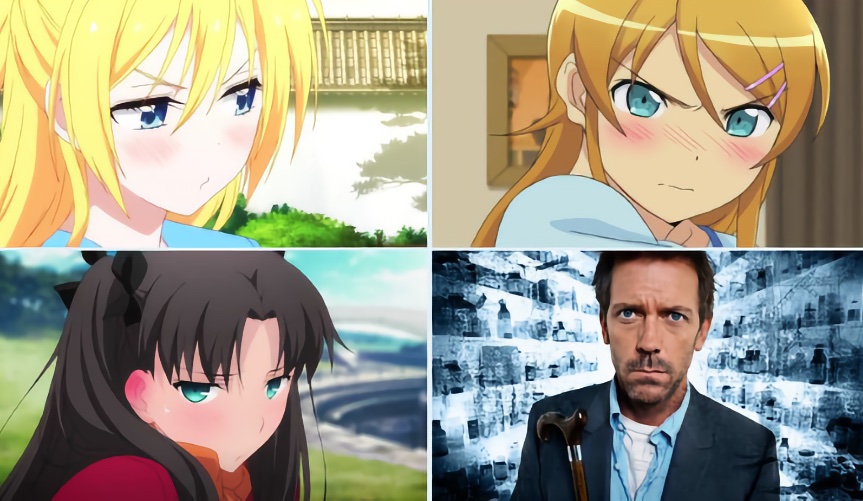
Tsundere is another core element of moe anime girls. A tsundere is a girl so insecure that she builds up a tough personality to avoid getting hurt. But as the story unfolds, we learn that this strong persona is all an act, and watching the girl’s transformation into an honest version of herself is always fun to watch. Taiga Aisaka, Asuka Langley, and Rin Tohsaka are all perfect examples.
Marin Kitagawa and Deredere Affection
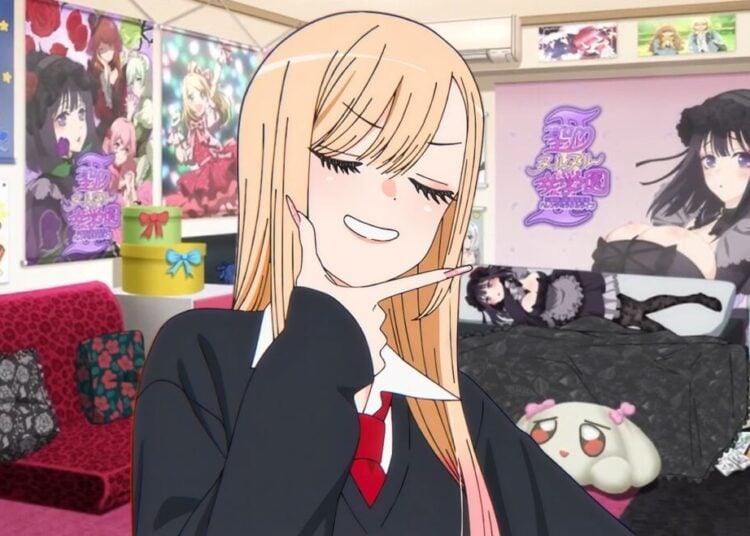
Then there’s the other extreme, deredere moe, girls who are openly “lovey-dovey” towards the people they’re focused on, overflowing with warmth and affection. Marin Kitagawa from My Dress Up Darling, Tohru from Miss Kobayashi’s Dragon Maid, and Raphtalia from Shield Hero come to mind.
Genki Moe Girls Are Full of Energy
A character who’s always full of energy, like she had three cups of coffee that morning. Nadeshiko from Yuru Camp, Chika Fujiwara from Kaguya-sama, and Haruhi Suzumiya all fit the bill nicely.
Kemonomimi Anime Girls are Impossible to Resist
There’s a close connection to kemonomimi — anime girls with animal features, including furry ears and tails — and moe. Naturally, there are a lot of characters that are popular because they’re soft and furry. Some examples include Holo from Spice and Wolf, Senko from Helpful Fox Senko, and Raphtalia from Shield Hero. We want to fluff those ears so badly!
Imouto Moe: The Little Sister Archetype
Then there’s the category of Little Sister Moe. Being a younger sister by definition makes you weaker than older siblings, and that weakness can be a good basis for creating charming characters that can melt fans’ hearts. Sagiri Izumi from Eromanga Sensei, Kobato from Haganai, and Tsukasa Hiiragi, who is only a few minutes younger than her older sister Kagami, yet has a totally different personality, are excellent examples.
Tragic Moe Makes Us Appreciate Life Better
Finally, there’s something powerful about seeing an adorable girl face tragedy, letting us share her pain through the story. Some examples include Mizusu from Air, Menma from Anohana, and Kyou’s arc from Clannad After Story OVA.
Thanks for reading this blog post about Moe Day in Japan, celebrating kawaii anime girls and why we obsess over them so much. What was your first experience with the concept of ‘moe’ in anime? Tell us in the comments below!
Let’s Chat
You made it to the end of this post! Thank you! As a token of our appreciation, enjoy an extra 5% off your next order when you use the code BLOG at checkout. Also, don’t forget to follow J-List on all our platforms!
- Twitter / X, where Peter posts anime booba for you
- Bluesky, where we post several times a day
- Facebook, where we used to share memes and discuss anime
- Discord, if you want to chat with other J-List customers of culture
J-List has started a new sale, this time on all hentai manga we have in stock, as well as limited anime Blu-ray titles, and anime games for your Nintendo Switch. Get 18% off all these products until March 23. Start browsing here!