Digimon has seen a resurgence in popularity over the last few years. The recent video game Digimon Story: Time Stranger received positive reviews, and the rebooted Digimon Trading Card Game has quickly seized a loyal fanbase. Now, Digimon Beatbreak might usher in a true Digimon resurgence this season. Return to your In-Training form, or digivolve into brand new Champions, and check out this anime with me.
This Is Not Your Childhood Digital World
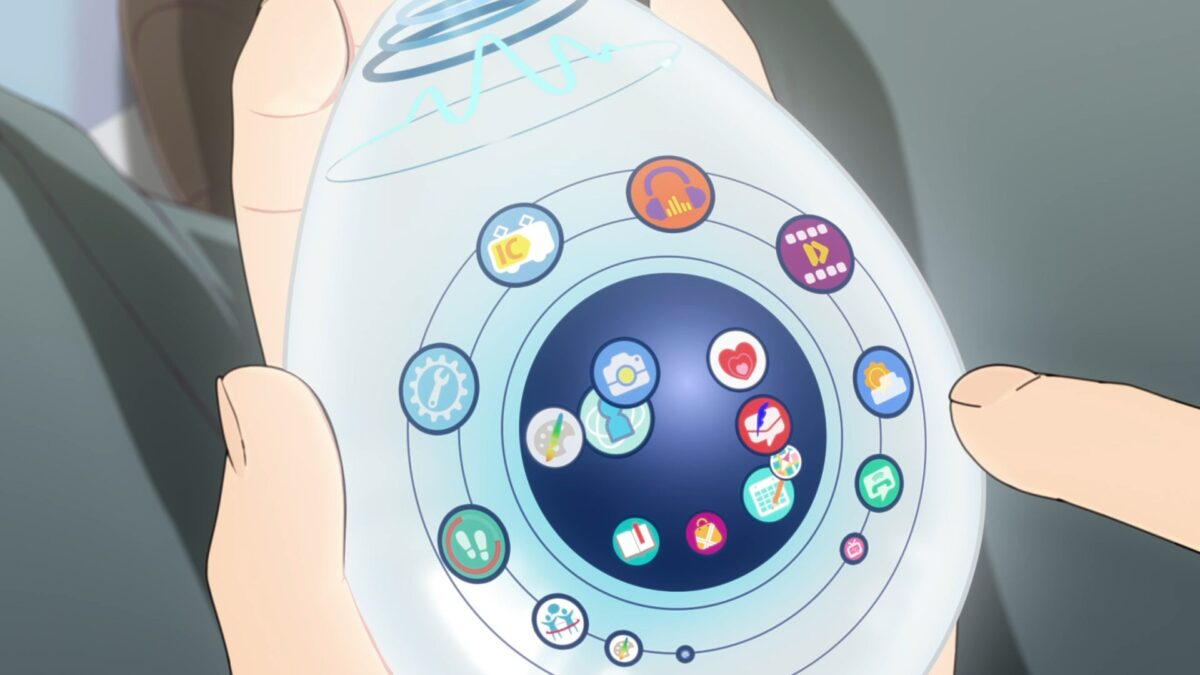
The basic premise of Digimon Beatbreak seems utopian on the surface. In a version of the near future, electricity problems have been solved by exploiting e-Pulse, an energy field generated by the thoughts and emotions of humans. The nature of e-Pulse led to the invention of helper AI devices called Sapotama that everyone uses to organize their lives. Alarm clock. Personal organizer. Diet tracker. Search engine. Phone. Sapotama’s are every electronic device you can think of, in one. Like a smartphone, but you don’t have to plug it in: Sapotama’s charge with a human touch.

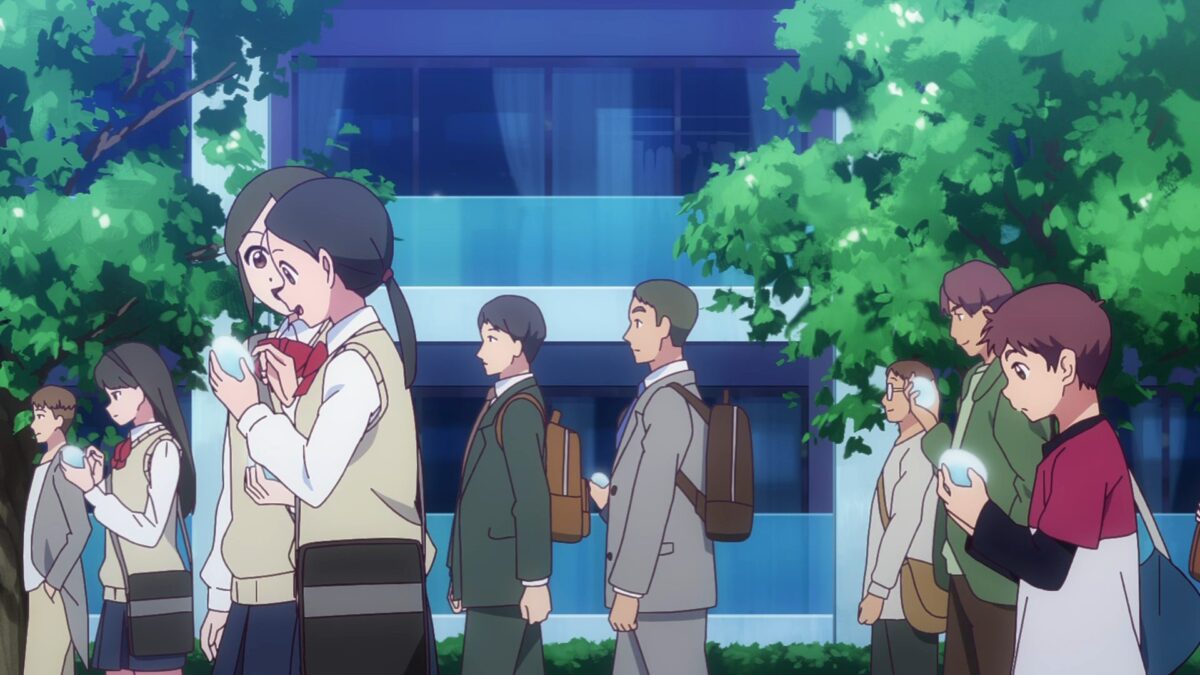
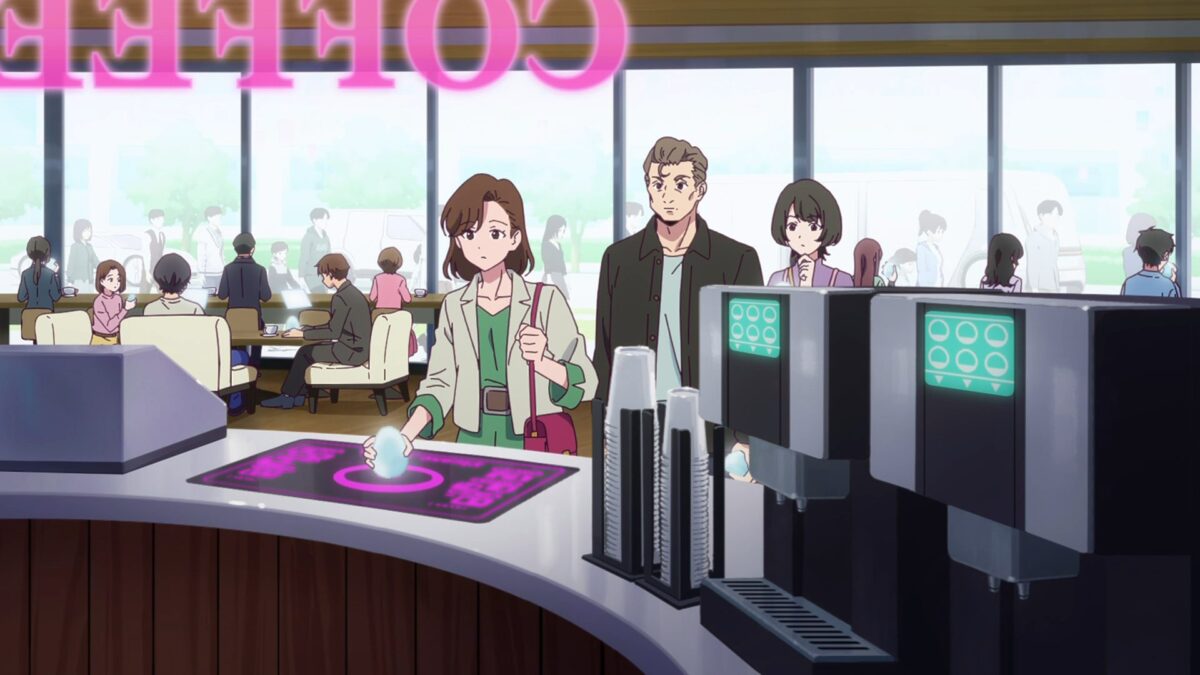
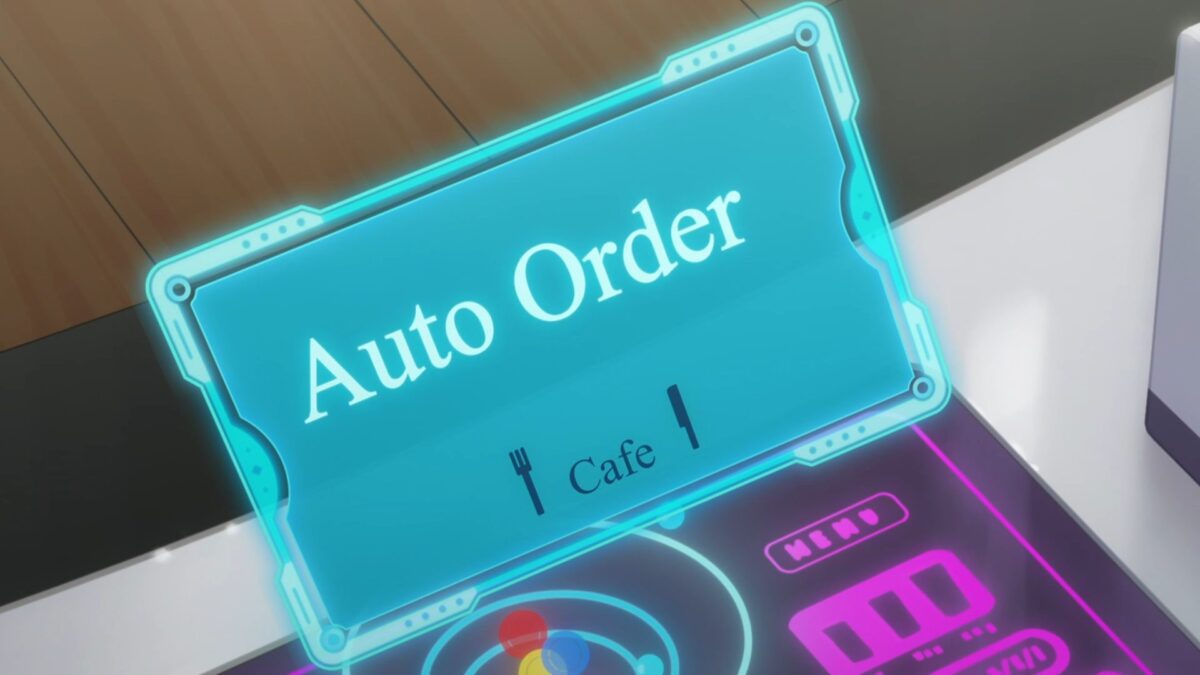
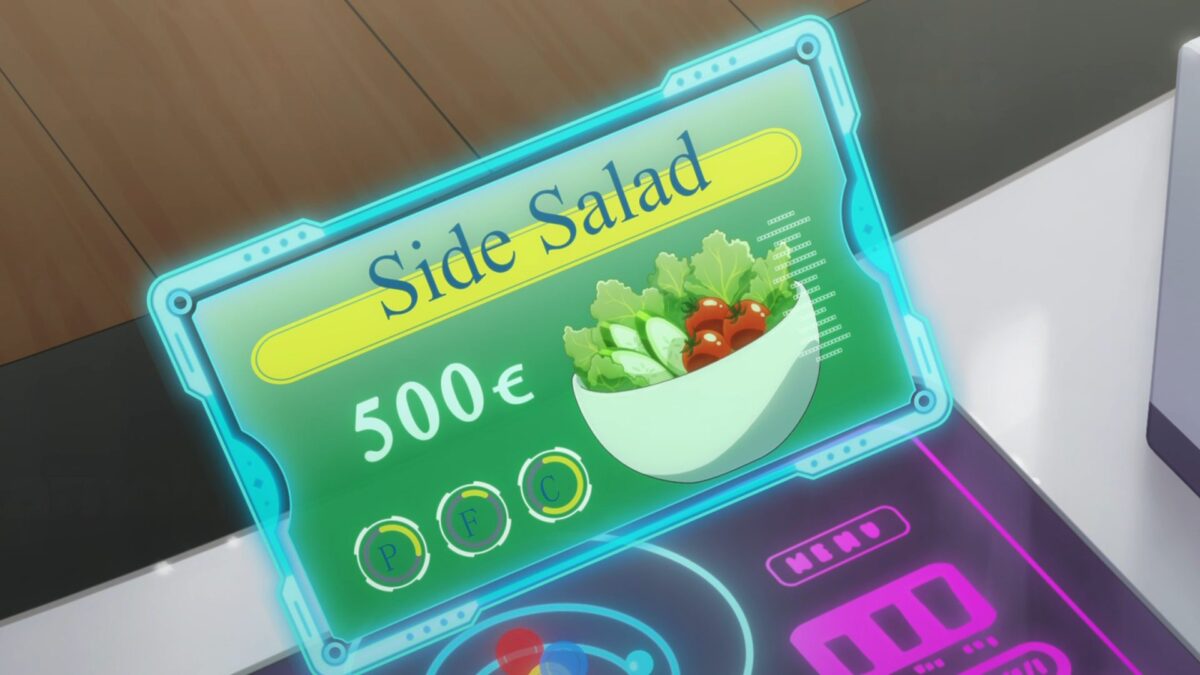
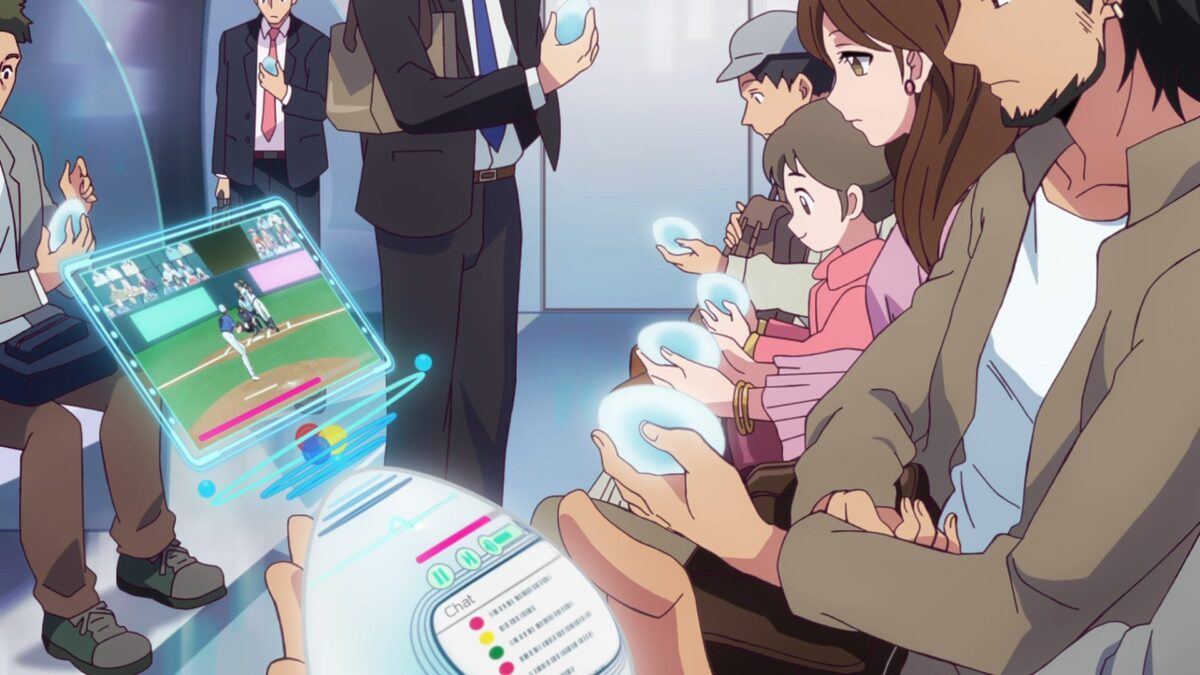
But cracks show in the utopian facade from the start. For one, most humans we see are staring at their Sapotama in public. Schoolgirls are shown meeting up, and they talk about their devices as if it’s part of their daily greeting. Given that Sapotama are also smartphones, this obsession hauntingly mimics our modern reality.
You Can’t Disconnect from Society
Digimon Beatbreak builds its sinister society slowly, showing off the fall of humanity without telling the viewer what to think. Everyone needs a Sapotama because the device is your identification and bank account, and without one, a student can’t even attend school. Besides the technological dystopia, the world is half-drowned in water, with islands of buildings resisting the rising water levels. Depressingly, housing is claimed, rather than sold. The main characters live on an abandoned highway. There’s also a disconnect between the haves and have-nots represented by ark-like egg-shaped environmental habitats where the self-assigned cream of society live apart from the masses (like our protagonists).
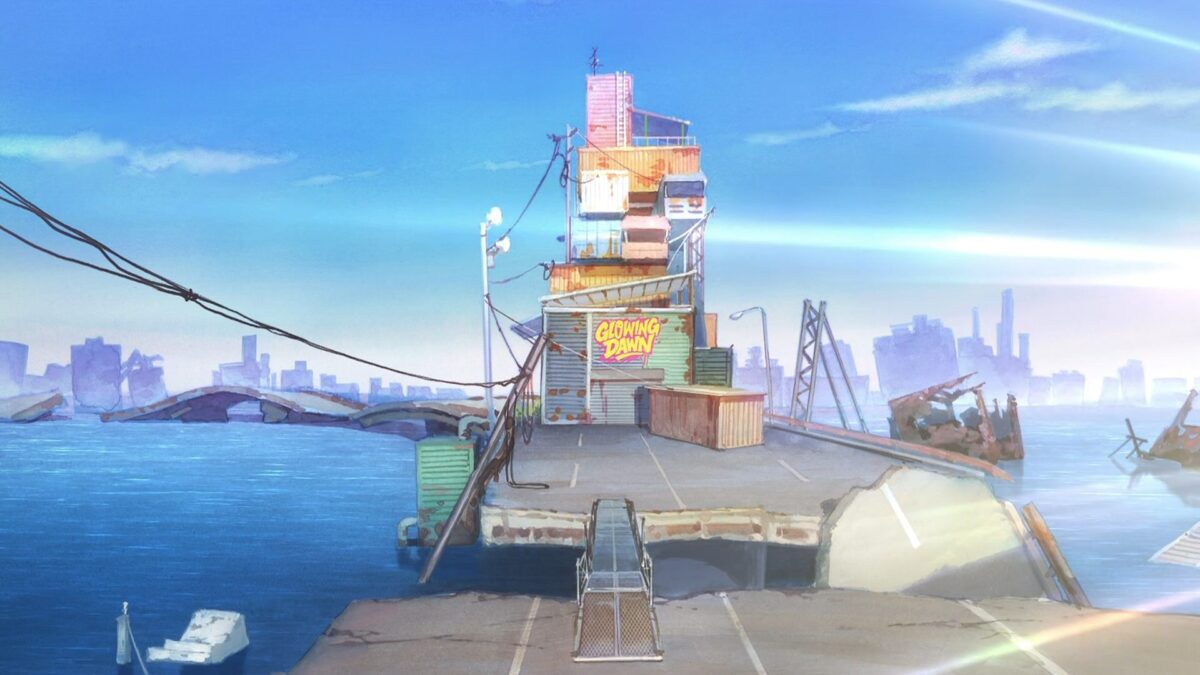
Even though the main character, Tomoro Tenma, doesn’t trust AI, hates Sapotamas, and doesn’t want to go to the egg-habitats, they all infringe on his way of life. He needs a Sapotama to attend school, and the egg-habitats dominate the skyline. There’s no resisting the dystopia. It’s the way things are, right?

Demanding Digimon
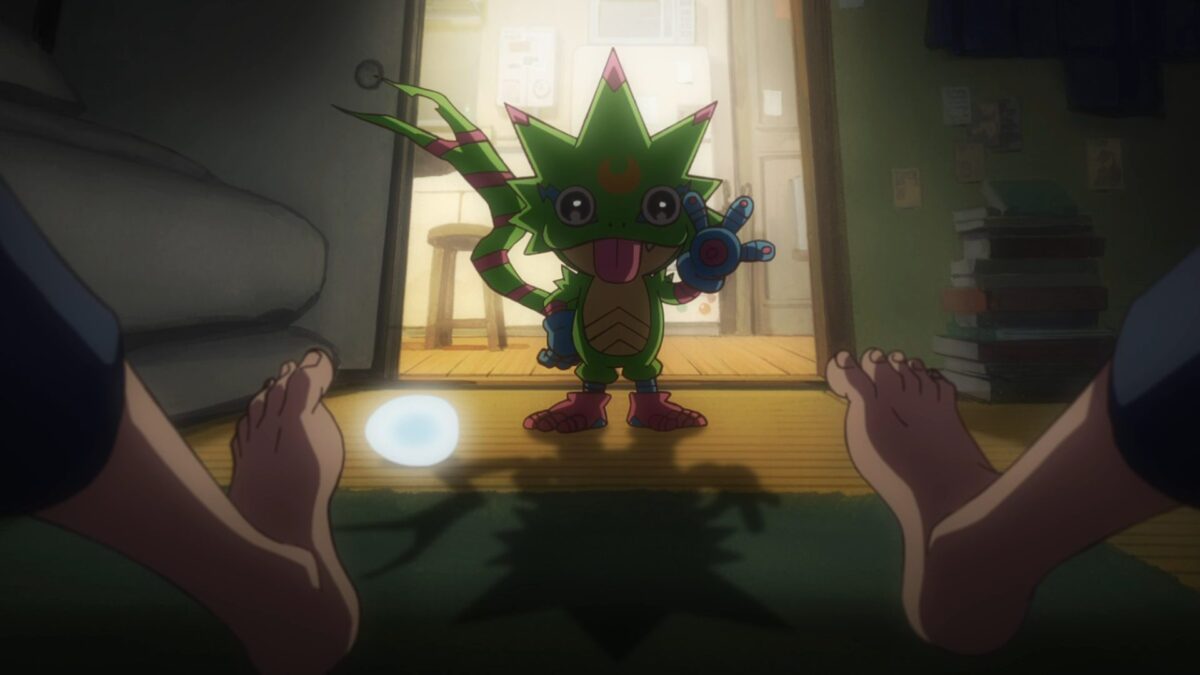
The dystopia in Digimon Beatbreak extends to its digital monsters. While I’m in love with the designs — especially of Chiropmon, a cute Virus-type bat-like Digimon — they are also part of the dystopia. Digimon are not only threats in the digital world, but also dangerous in the real world. Born from people’s Sapotama, it’s not unusual for a Digimon to consume all the e-Pulse of the person whose device created them, putting them in a coma. Even the cartoony and friendly Gekkomon, Tomoro’s partner Digimon, almost eats him into a coma when they meet. I don’t know about you, but living in a world where monsters can casually spawn in and eat me would feel brutal.
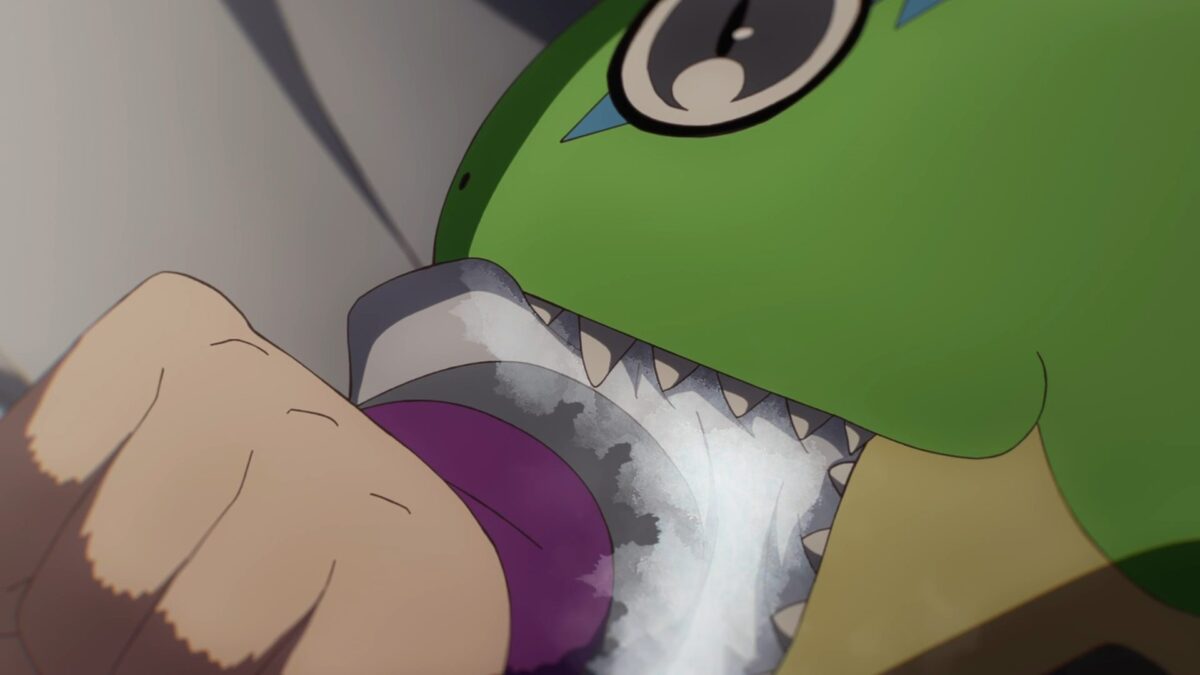
We’re told all Digimon are born of humans and the real world in Digimon Beatbreak. There is a digital world, but it’s a place of escape, where humans and Digimon alike can buck the structures of the real world. It’s not where Digimon come from.
Digimon — Too-Real Monsters
This Digimon origin is one of my favorite parts of Beatbreak. We are so interconnected with the technology we use that it seems right that Digimon are at least as much part of the real world as our electronics. The danger of Digimon is dystopian, but so are the problems technology is causing us today. Young people, especially, are suffering from issues like cyber-bullying, so having a children’s show foreground the danger of obsession with digital devices seems appropriate. Sapotama’s and devices are generally useful, but under the wrong conditions, they can hurt you.

My main complaint about the realism of the plot is how the government, so far, hides the Digimon threat from the masses. This is a society where digital devices and the ability to communicate are omnipresent. We haven’t seen people snapping photos, but Sapotamas have camera apps. I’d expect Digimon to, at least, be a popular rumor and urban legend, with blurry pictures doing the rounds on social media. Instead, the existence of Digimon is treated like a secret known only to a select few. It’s too plot-convenient for my tastes.
Where the Future Is Heading
All that said, Digimon Beatbreak isn’t a story of gloom and depression. It’s a story of hope. While only the groundwork has been done so far, this theme shines bright as soon as the title reference becomes clear. Tomoro wants to be a drummer, like his big brother. He’s a misfit and has a dream that defies this bleak society. Tomoro will live by his own beat. The question is, will society break, or will Tomoro and his friends?

The Hype of Digital Monsters
Let’s talk Digimon designs. I’ve only casually followed the property since I aged out of Digimon’s target demographic as a kid, but I think these are some of the best monster designs in the series.
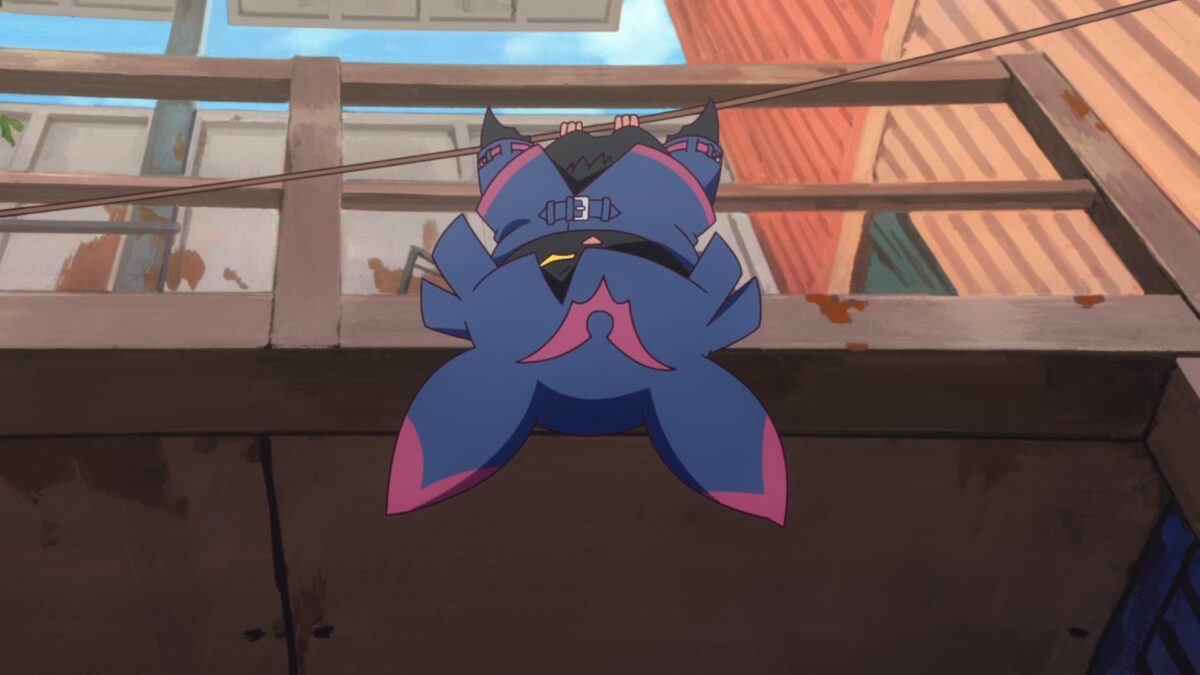
Whether it’s how Gekkomon uses his tongue as both a weapon and a way of dragging himself around, or Chiropmon’s sheer kawaii appeal, the protagonist Digimon are all fantastic. What about their enemies? I wasn’t impressed by Waspmon, the first enemy Champion, but Waspmon’s not new. As far as I can tell, the first new antagonist Digimon we meet is Hyemon, and they’re better. Not only do these hyena-like monsters look threatening, but they have individualized designs: one is scarred, and the other has a pierced ear. I hope unique members of a species isn’t a new concept in Digimon, but it was cool to see regardless. It helps us treat them as individuals, rather than as interchangeable enemies to defeat.
Can-Do Combat
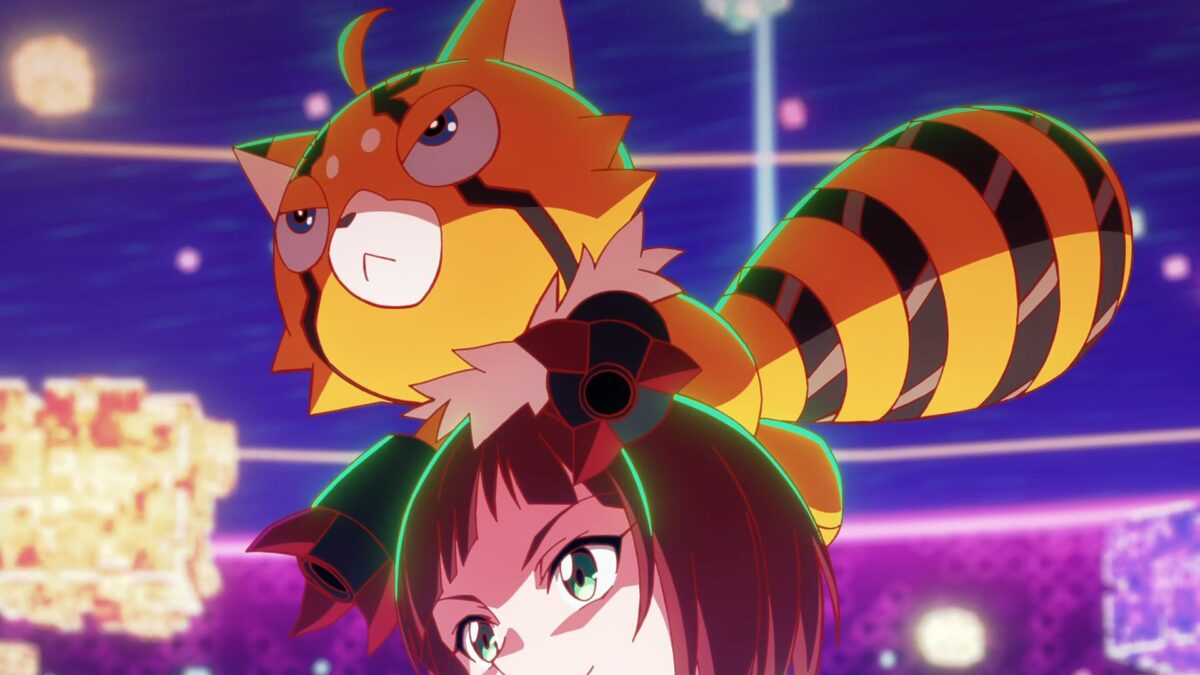
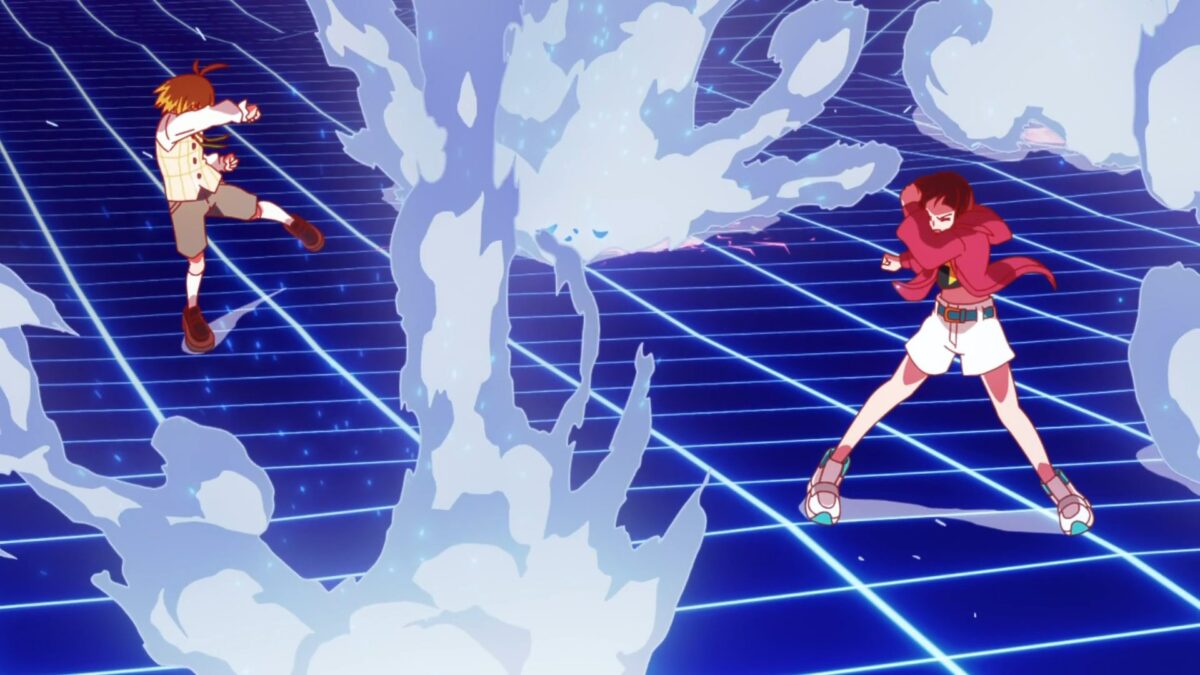
Combat’s a core part of Digimon, and that’s also true of Beatbreak. The show starts with a fight to introduce Tomoro’s future teammates, the Cleaner squad Golden Dawn. Cleaners are responsible for bounty hunting rogue Digimon and humans who use them for criminal activity. The visuals are a treat beyond the monster designs, but what stands out most is how Digimon fighting has changed since the original anime. Instead of having one overused attack power, the Digimon now have multiple named attacks offering a variety of visuals and fight tactics. Combat reminds me of the video games.
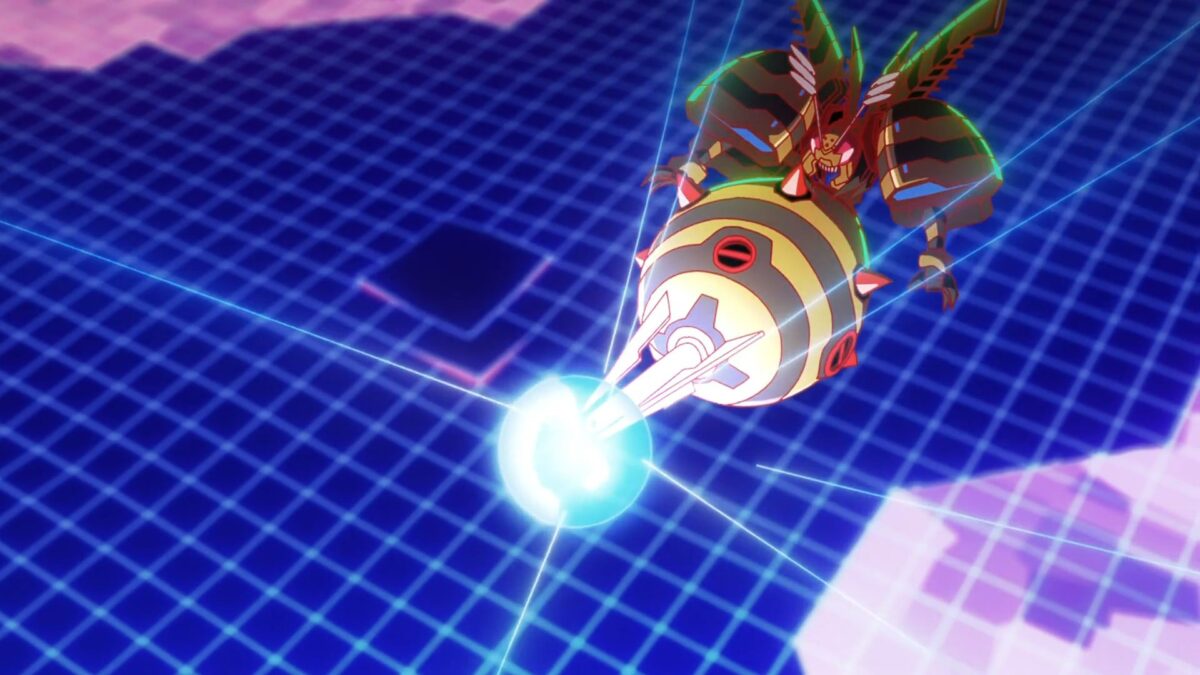
Digimon don’t only attack each other. Whether it’s wild Digimon eating people’s e-Pulse or attacks on partners to force Digimon out of position, Digimon battling is dangerous for humans. I’m holding my breath for a hospitalization. This threat to the main characters has been present since the original Digimon Adventure, and I’m glad to see it again. Digimon stands out from other monster battlers in part because threatening the human cast raises the stakes. While monster fights are cool, Digimon doesn’t shy away from the fact that it is still a battle. People can get hurt.
Treated to Digimon Beatbreak
Digimon Beatbreak was more fun than I expected. It blends modern concerns about technology, the bleak imagination of a dystopian future, and the awesomeness of having your own partner monster to put bad guys in their place. Power fantasy isekai take notes. Kids can be set apart by their power and still be in danger.
I’m in this one for the long haul, and not only to relive the novelty of seeing new Digimon digivolve for the first time. I want to see Tomoro’s beat shatter the decrepit world he lives in. What about you?

Let’s Chat
You made it to the end of this post! Thank you! As a token of our appreciation, enjoy an extra 5% off your next order when you use the code BLOG at checkout. Also, don’t forget to follow J-List on all our platforms!
- Twitter / X, where Peter posts anime booba for you
- Bluesky, where we post several times a day
- Facebook, where we used to share memes and discuss anime
- Discord, if you want to chat with other J-List customers of culture