The past three decades have seen Japan’s anime and manga culture revolutionize the entertainment we consume, giving us access to stories no other country could have created. While these changes were going on, Japanese video games were doing an equally amazing job of changing the way we view gaming. In this post, let’s explore six ways Japanese gaming changed the world, and also find out the origin of S-rank in Japanese gaming.
Great news! J-List is having a huge sale on all books shipping from Japan! Until April 6, you can get 18% off all manga, doujinshi, photobooks, and anime and ecchi magazines! Browse all sale products here!
How Did Japanese Video Games Influence The Industry?
I was extremely fortunate to be around for all the early innovations in gaming. Playing arcade games in our local pizzeria, then hanging out in the first game centers after school. Begging my mom to buy me an Atari 2600 so I could play Asteroids. Getting my first Atari 8-bit computer and teaching myself to write programs for it.
Then a subtle change happened in the world. With the release of arcade hits like Space Invaders and Pac-Man, suddenly everything cool seemed to be coming from Japan. I’d wander around the arcade and look at machines by companies with unfamiliar names like Nichibutsu, Taito, and Nintendo, and wonder what kinds of mysterious people had created these wonderful games.
Let’s look at some unique gifts Japanese video games have given us over the years!
What is S-Tier? Let’s Explore the Origin of ‘S-Rank’
Traditionally, skills grades in a game would be assigned alphabetically: like A, B, C, and D. But in Japanese video games and JRPGs, it’s quite common for the highest level to be “S-rank.” But what is S-tier, and where did it originate from?
The main theory for the origin of the term S-rank goes back to 1983, in Japan’s bicycle racing world. Japan has always embraced various kinds of government-operated racing, including horse, speedboat, and bicycle racing. And betting is encouraged because it adds to the excitement of the races and brings money into public coffers.
Back in the early 1980s, there were two classes of bicycle racing, A and B. But because the most experienced A-tier racers could usually win their races easily, the industry created a third level of bicycle race called S-kyu, meaning “Star class.” These cyclists were literally better than the highest rank, and their races got much more attention from fans.
There’s a competing theory that the term “S-rank” dates back to the 1970s, when Western music bands started to perform concerts in Japan. In 1972, during Led Zeppelin’s Japan tour, S-tier seats were introduced at the famous Budokan performance hall, denoting the very best seats.
Whatever the exact origin, the S-rank terminology quickly spread to similar sports, then made the jump to manga, with Yu Yu Hakusho introducing “S-tier demons” the characters needed to battle. It spread to the West through games like King of Fighters, with its S-rank characters.
Today, S-rank is everywhere. We have S-rank characters, S-rank weapons, S-rank waifus, and an endless stream of S-tier ranking videos up on YouTube.
Japanese Visual Novels Influenced Storytelling Around the World
J-List has changed the world quite a few times. One big way was in helping to make Japanese visual novels a thing in the West, through our sister company JAST USA. When we started publishing these titles back in 1995, the concept of a game where you navigate by making choices to win “love points” with the girls to unlock different endings was such a new concept that it was hard to explain to our customers.
It was great to see story elements from Japanese visual novels start to seep into non-Japanese games. I’ll never forget playing the Star Trek: Starfleet Academy FPS game in the late 1990s. Aside from the main game story, the game had a “romance arc” that was unlocked if you kept a certain character from dying. It blew my mind to see that normal Western games were going out of their way to copy the kinds of story elements pioneered by Japanese dating-sim games.
Japan Leveled Up Our Gaming
Back during the Nintendo Wii boom, I would play virtual golf with my family in our living room. I’d thrill when I got a ball onto the green, hearing the game praise me with “Nice on!” This phrase is an example of wasei eigo or made-in-Japan English, which made sense to Japanese people even though it would have sounded odd to native speakers. Thanks to Japan’s great love of golf, the term has been exported around the world.
Another example of an element from Japanese gaming that made its mark on the world is the concept of “leveling up.” While the idea of character levels existed in classic games like Ultima I, Japan turned the concept into an endless source of dopamine for gamers. Soon, players were grinding for hours just to hear the “level up horn fanfare” play in Dragon Quest.

Japanese Video Games and Gacha Loot Boxes
One element from Japanese gaming we might be better off without is those awful random Gacha boxes, which ruined so many beloved gaming franchises.
Japan spent the 1990s and most of the 2000s in an economic funk as the aftermath of the bursting of the Japanese asset bubble played out. People didn’t have money for expensive toys, but they did have a few coins in their pockets to buy gashapon capsule toys. This led to a renaissance in inexpensive toy manufacturing, as companies focused on hooking customers on the idea of completing each series collection. These toys — named for the gacha gacha sound the machines make as they spit out your toy — were extremely popular, and J-List sold a ton of them (organized into complete sets for customers to easily buy) back in the day.
Unfortunately, the concept of “blind box random pull” made its way into the digital sphere. Soon, games like Puzzle & Dragons and Rage of Bahamut were making millions from addicted fans trying to get that SSS-rare card featuring their favorite character. Today, mobile gacha games like Fate/Grand Order bring in $500 million each year.
When Did Defeating Bosses Become a Thing?
Another gift from Japanese gaming is the term “boss” to mean a final super-strong enemy you must defeat before progressing in a game. But where did the term come from?
The consensus seems to be that the term “boss” emerged from the days of gaming magazines like Nintendo Power. That magazine gave advice on how players could defeat the final enemies in video games, using this word a lot. In Japan, the first characters described as a “boss” in a video game were the large enemies in Galaga who suck your fighter up with a tractor beam. Interesting trivia!
What Was Japan’s Contribution to Tabletop RPGs?
In the 1970s, dice-and-paper RPG culture started seeping into Japan. But those early D&D-derived games were hard for fans to connect with, with the game books written in difficult English and the stories set in a fantasy version of medieval Europe. When Hobby Japan licensed the Call of Cthulhu RPG system and localized it for Japan, tabletop gaming — and Japan’s general fascination with all things Lovecraftian — really took off.
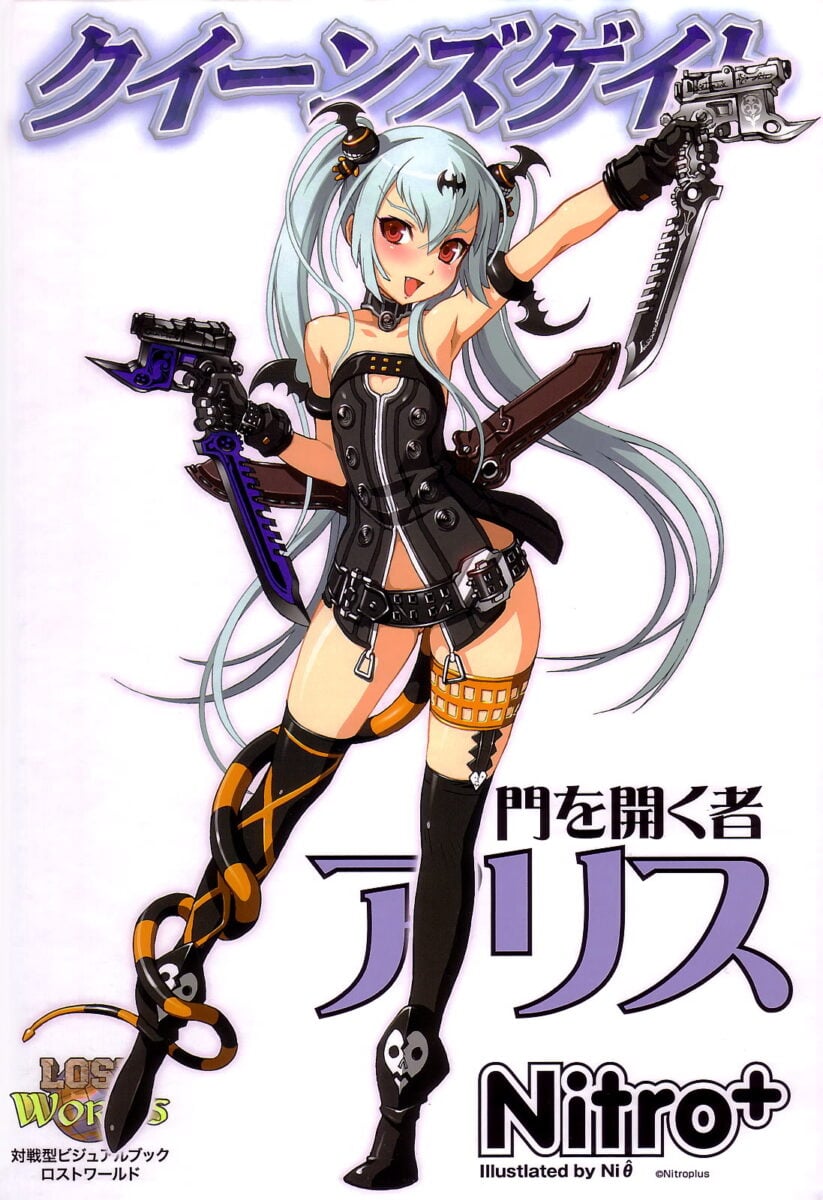
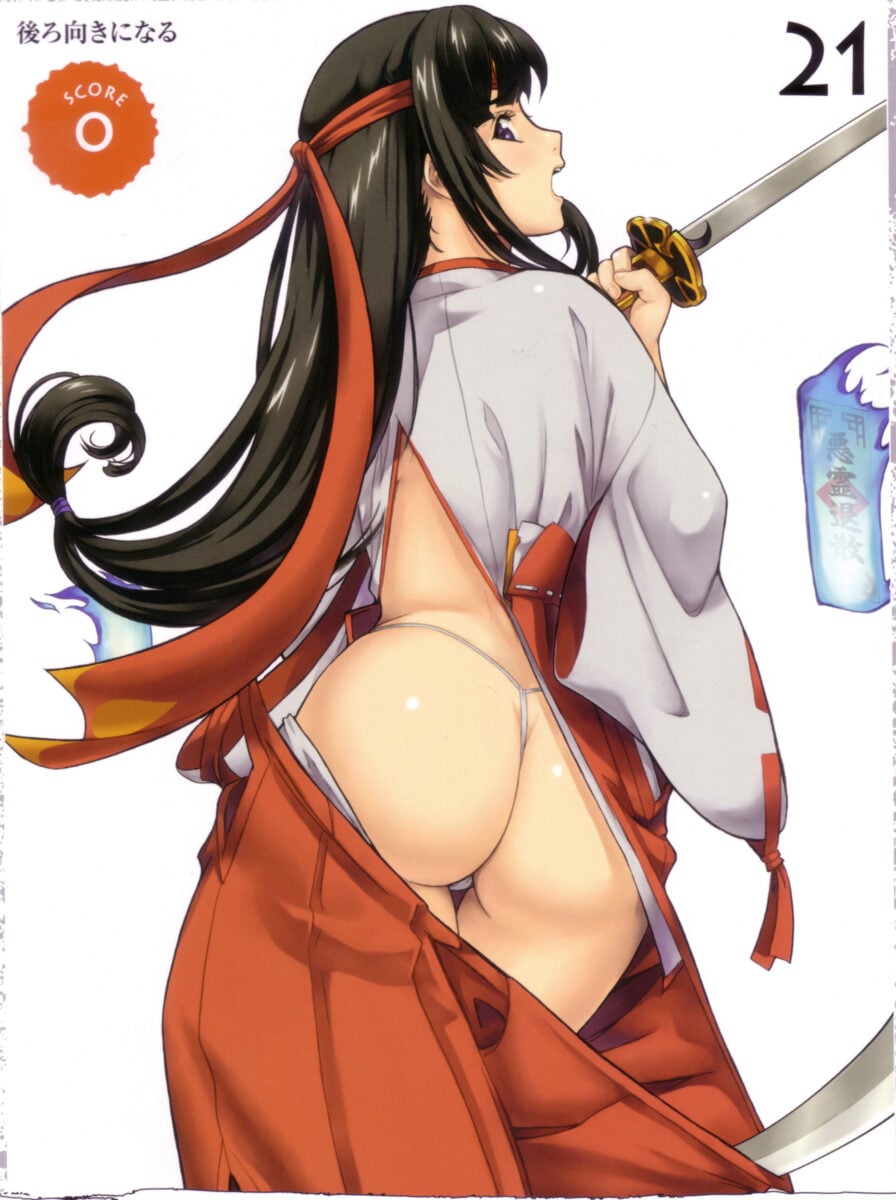
Arguably, Japan’s most famous contribution to Western tabletop gaming was Queen’s Blade. Another hit product developed by Hobby Japan, it was a book-based combat RPG system based on the Lost World’s fantasy combat system developed by Flying Buffalo. But instead of generic fantasy characters, the company hired Japan’s best artists to create super sexy characters who showed you their bodies in sexy poses whenever they took damage. That was the most Japan thing ever!
(Adorably, the term “tabletop RPGs” was mis-translated into Japanese as “table-talk RPGs” since they involve a group of friends sitting at a table and talking. I love that word so much.)
Thanks for reading this blog post about six ways Japanese gaming influenced the world, including the origin of S-rank. What was your first experience with unique Japanese games, and how did you feel about it? Tell us in the comments below!
Let’s Chat
You made it to the end of this post! Thank you! As a token of our appreciation, enjoy an extra 5% off your next order when you use the code BLOG at checkout. Also, don’t forget to follow J-List on all our platforms!
- Twitter / X, where Peter posts anime booba for you
- Bluesky, where we post several times a day
- Facebook, where we used to share memes and discuss anime
- Discord, if you want to chat with other J-List customers of culture

Great news! J-List is having a huge sale on all books shipping from Japan! Until April 6, you can get 18% off all manga, doujinshi, photobooks and anime and ecchi magazines! Browse all sale products here!