J-List has been around for a long time, nearly three decades. Naturally, technology has changed a lot since October of 1996, when we became one of the first e-commerce companies to ship products directly from Japan to customers around the world. Let’s explore how Japanese technology has changed over the years in this blog post!
Great news! J-List has started a new sale, this time giving you 18% off all live-action JAV DVDs, Blu-rays, and photobooks. It’s a great time to pick up all the titles you’ve had your eyes on. Start browsing here!
The History of Japanese Technology Since the 1990s
As I’ve written before, the world was a very different place back in 1996. Cool technology and Internet connectivity that we take for granted today were still a far-off dream. Back in those days, it was a struggle just to get Japanese input to work correctly on a Mac or PC, and we certainly didn’t have fancy smartphones or tablets to get our Internet browsing done on.
We can tell how important technology is to the Japanese from how often it shows up in anime. Before he became famous with his film The Place Promised in Our Early Days, Makoto Shinkai made a great short movie called Voices of a Distant Star [YouTube trailer link]. It’s about a high school girl who leaves her boyfriend to go fight aliens in far-off star systems. Although it’s got giant robots and explosions, the most important technology in the show is the cell phone she’s using to send text messages to her boyfriend, though each message takes longer and longer to reach him.
Japanese Technology: 10 Things That Have Changed Over the Past 30 Years
Let’s check out how some key areas of Japanese technology have evolved over the past three decades!
What Were Computers Like in 1996?
In a word, large, loud, and beige-colored. They had huge fans that made a ton of noise, and were unthinkably slow compared with today’s technology. Pog!
A cutting-edge PC at the time was the Dell Dimension XPS P166. It offered a Pentium 166 MHz chip and 32 MB (not GB!) of RAM. It would set you back around $4,200, or $8,600 in today’s dollars. In the same way a simple radio cassette player went from $858 to $275 despite decades of time passing, it’s hard to wrap our brains around how much the cost of modern tech has fallen.
This was the Windows 95 era, which marked the end of the days of Japanese supremacy when it came to PCs. In the past, NEC’s PC-98 series positively dominated the Japanese market, thanks to early advances in color graphics which (incidentally) helped hentai visual novels get started. NEC paid Microsoft to create separate versions of DOS and Windows for the PC-98 platform, but as mainstream Windows 95 PCs became the norm, the PC-98 platform faded in importance.
The Internet obviously sucked back then, too. Internet adoption in Japan was slow compared to other countries, meaning that the country could have skipped the ISDN era and jumped right into fast fiber optic technology. But NTT made sure to go slowly at rolling out technology, so they could profit from repeated customers upgrade cycles. The Internet was so slow for J-List that we leaned on the mayor of our city, implying that we might have to move to another city if they didn’t hurry up and get fiber optic installed.
Japanese Computers: The Cool Japan Tech Era
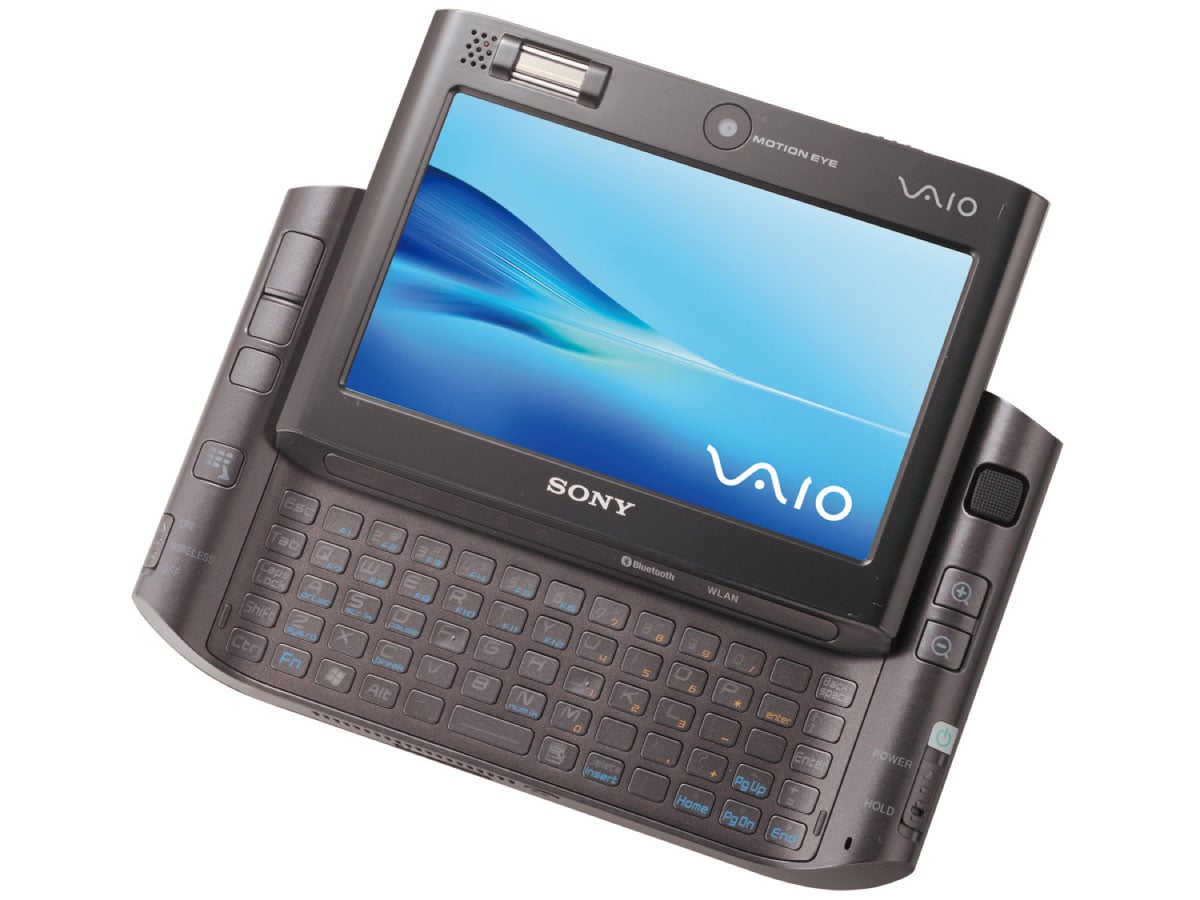
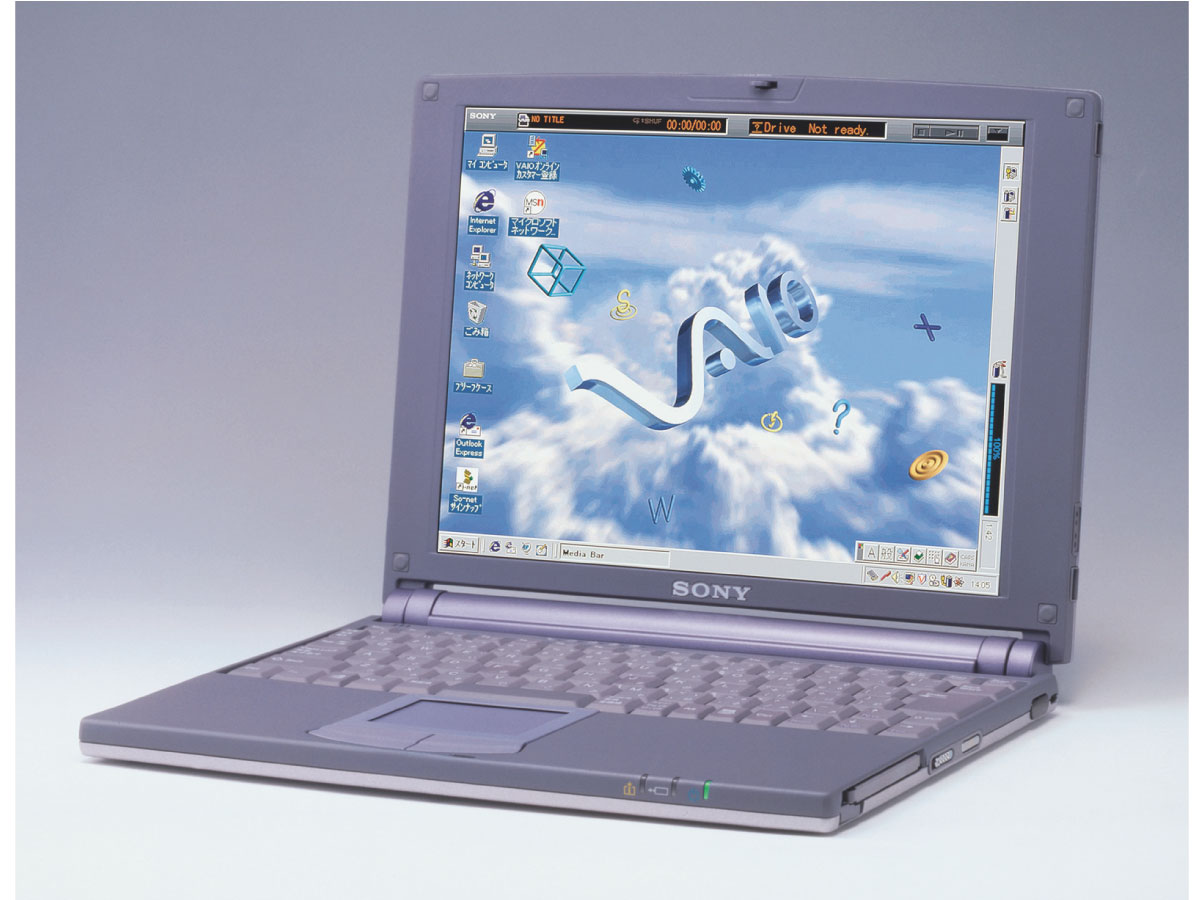
As we all got used to the idea that computers and the Internet were going to be all society thought about for a while, some companies started coming up with extremely beautiful designs. One was Sony, which wowed customers around the world with devices like the U series, a hand-held “sub-notebook” device that still looks futuristic today. Before Akihabara became a hub for anime and otaku culture, visitors to Japan would go there to see the most advanced technology the world had to offer.
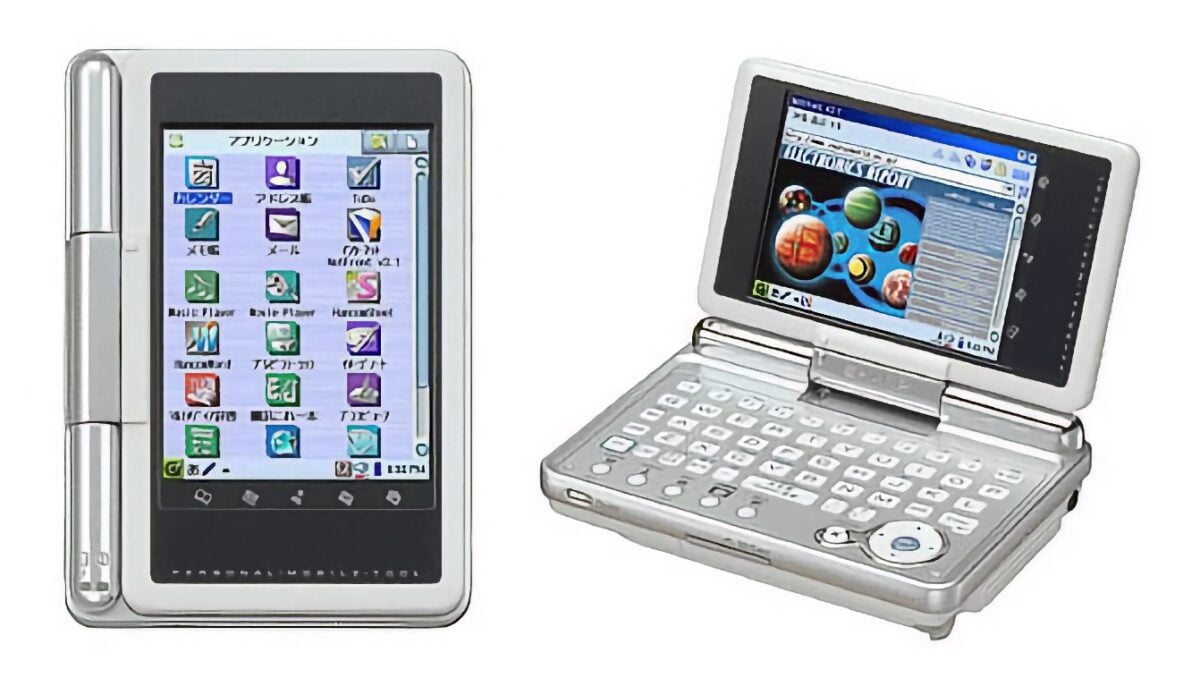
One early device I loved was the Sharp Zaurus. It was a tiny PDA-ish computer released in 1996 that could take a cellular modem card in the side. I remember spending hours to get mine to connect to the Internet in 1998, but I never got it working.
The iMac Era and the “Skeleton” Boom
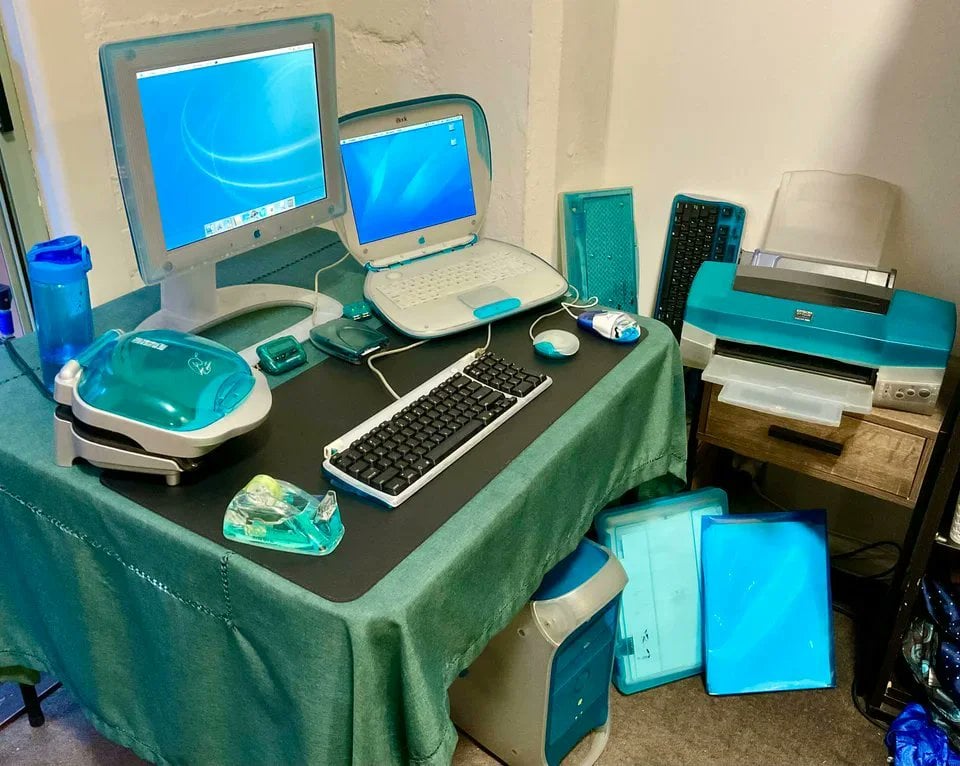
The release of the iMac in Japan caused a strange era in Japanese technology: when every company decided they needed to copy the transparent plastic look of the machine in any tech product. Nicknamed “skeleton” because you could see the computer parts through the transparent plastic outer shell, suddenly every printer or keyboard or tape dispenser came in iMac colors. The trend stuck around for several years after Apple moved on to less fruity color options.
Gaming Consoles: A Rare Area of Ongoing Success for Japan
Japan has long excelled at creating game consoles that delighted players, often by using custom hardware for graphics and sound to deliver experiences that PCs couldn’t match at the same price. Platforms like Sony’s PlayStation and Nintendo consoles such as the N64 and later the Wii helped cement Japan’s image as a technological powerhouse, not just through raw performance but through thoughtful system and game design. While Japan would later lose its dominance in many areas of consumer technology, game consoles remain one of the few areas where they’re still on top.

More Ways Japanese Technology Has Changed!
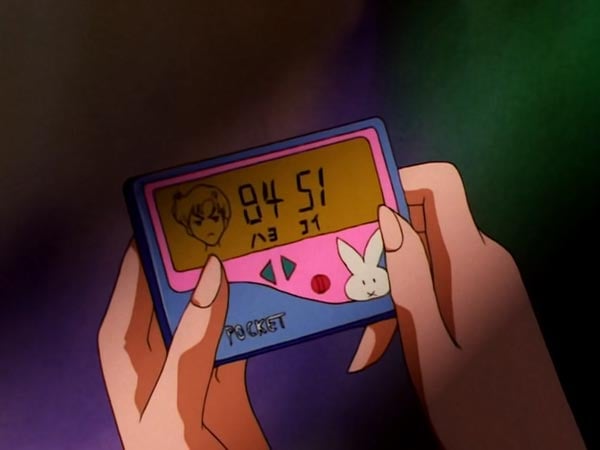
Before Cell Phones, We All Carried Beepers
Everyone knows that cell phones in the 90s were giant things with batteries that lasted only a few hours. They were also expensive, so they weren’t on people’s radars that much. Instead, we all carried “pocket bells” (beepers) that allowed numerical messages to be displayed. Back when I was an English teacher, my students would greet me with a nice message like 0840 1000, which translates to Ohayo, Sensei (“good morning, teacher”).
Over the years, the long-running Detective Conan series has “upgraded” the phones used in the show to reflect modern technology. But this seems to irk Japanese fans, who make long posts about why the characters who started out with no technology more advanced than a payphone should not introduce new tech into the series.
Japanese Technology and Cell Phones
As the 1990s gave way to the 2000s, cell phones got inexpensive enough that pretty much everyone picked one up. It was such a wonderful time before phones had become standardized in their current slab-of-glass form, when every manufacturer was trying new ideas out to see what customers liked.
For a while, it looked like Japan would continue to dominate in mobile phones. They had amazing designs, and cutting-edge technology like the ability to display emoji and take photos, both of which were invented in Japan. There was even a promising display format for viewing information on the pre-smartphone screens that NTT created, called i-Mode.
Why Did Japanese Mobile Phones Fail?
However, Japan’s early success with mobile phones turned out to be the perfect example of the Galapagos Effect. This is when technology became so adapted to a single market that it can’t flourish out in the wider world. All the cool ideas Japanese manufacturers were coming up with didn’t translate to success outside of Japan. When broad platforms like the iPhone and Android phones came along, Japan couldn’t compete.
There’s also the fact that Japanese don’t like too much technology. Whereas I’m always happy to upgrade to the newest iPad or iPhone or try out some new technology in my workflows, there are many Japanese who hate technology and just want things to stay the same forever. Like Mrs. J-List, who grudgingly upgraded her old 1999-era phone when the 3G and CDMA networks were retired in Japan a few years ago. She didn’t get a fancy smartphone, but a replica of the classic flip phones of the 1990s. At least it runs Android OS, which is required to access the popular Line chat service.
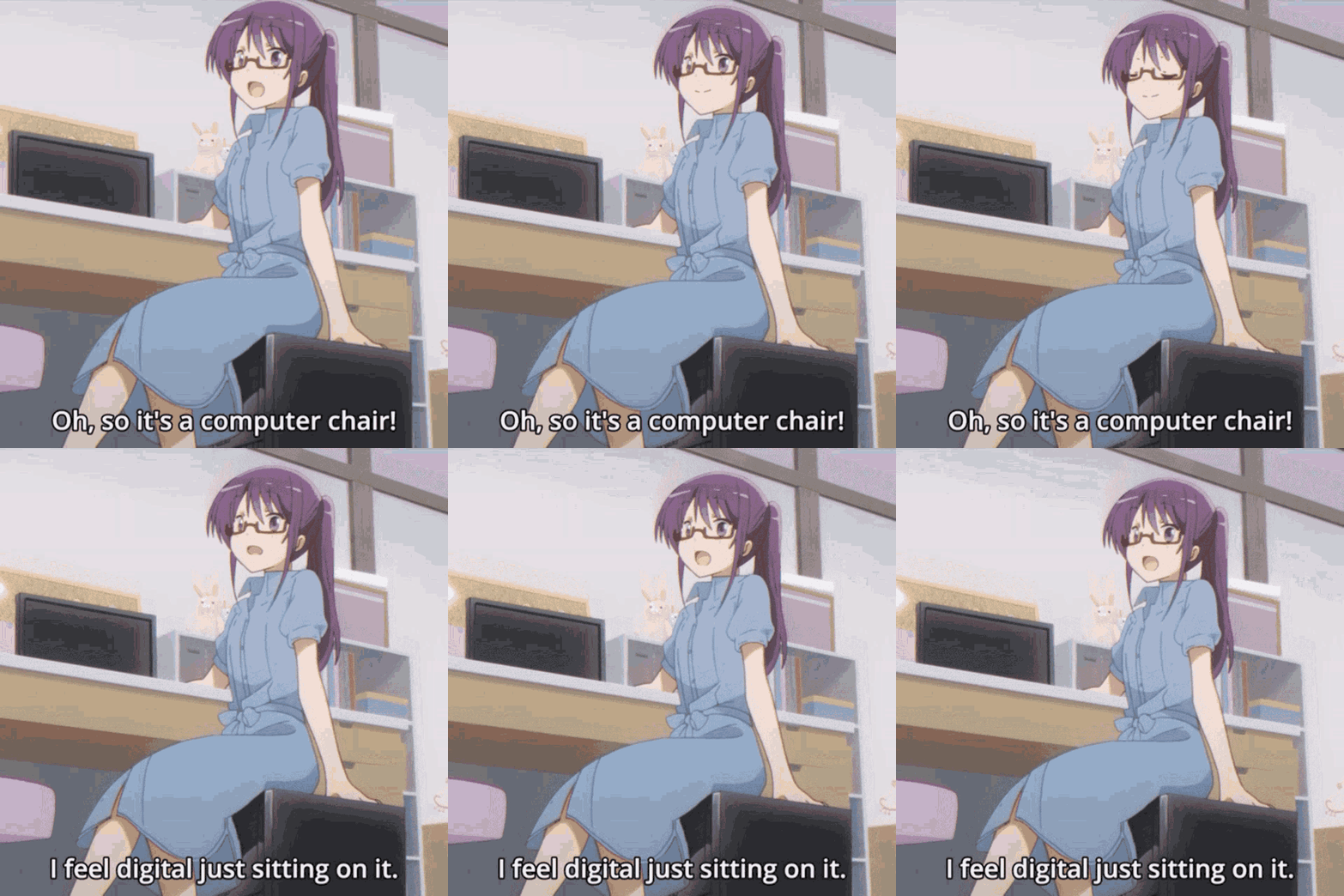
As I write this, I’m installing software on a brand new iMac I bought for J-List’s onahole buyer Tomo. I’d offered to upgrade the ancient 2011-era iMac he was using before, but he insisted that his old, reliable computer was best for him. The hard drive died last week, though, so he finally let me buy him an upgraded machine.
Thanks for reading this blog post about how much Japanese technology has changed and improved over the past 29 years. What kind of tech were you using back in the mid-1990s, and what did you think of it? Tell us in the comments below!
Let’s Chat
You made it to the end of this post! Thank you! As a token of our appreciation, enjoy an extra 5% off your next order when you use the code BLOG at checkout. Also, don’t forget to follow J-List on all our platforms!
- Twitter / X, where Peter posts anime booba for you
- Bluesky, where we post several times a day
- Facebook, where we used to share memes and discuss anime
- Discord, if you want to chat with other J-List customers of culture

Great news! J-List has started a new sale, this time giving you 18% off all live-action JAV DVDs, Blu-rays and photobooks. It’s a great time to pick up all the titles you’ve had your eyes on. Start browsing here!