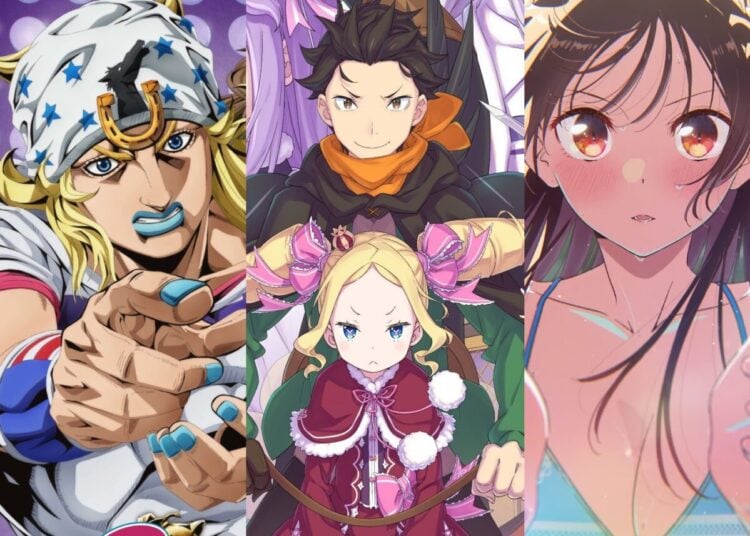
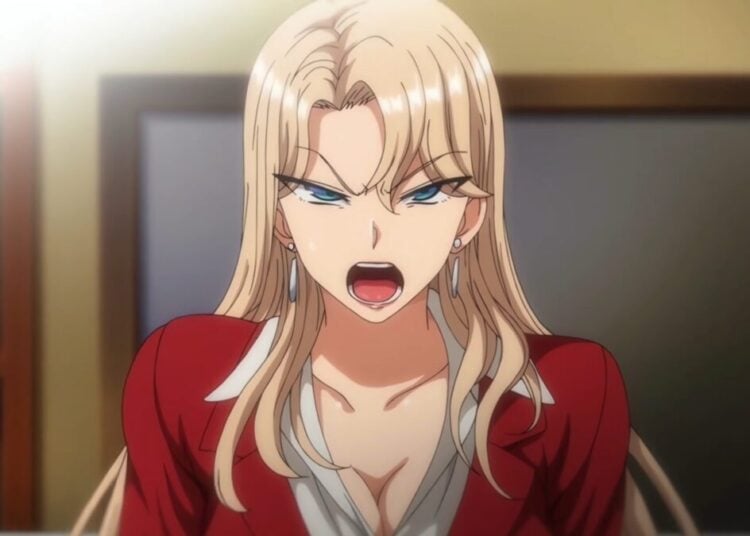
One of the best things about anime is that anything that can be imagined can be animated. This allows creators to show us fantastical isekai worlds, incredible galaxy-spanning space battles… and even cute human characters with animal features. Let’s explore the popularity of kemonomimi and kemono-related characters in this post!
No girlfriend? No problem! April 14 is Black Day in South Korea, when single men mark the occasion by eating black noodles. They missed out on Valentine’s Day chocolate on February 14, and had no one to give white chocolate to on White Day, March 14, so April 14 is their day! J-List is celebrating with a huge 15% sale on all Japan-based products through April 20. Start browsing now!
The History of Kemonomimi Anthropomorphism in Anime
Because it’s just as easy to draw a talking animal or catgirl or 800-year-old fox-girl maid as it is to portray a normal human, anime has often turned to blending human and animal features for various reasons. Since the hallowed days of Kimba the White Lion and Sherlock Hound, characters with animal features have been popular.
Then the moé boom kicked in around 1999. Suddenly, anime was all about making fans fall in love with cute characters. Now adding shy maids, glasses-wearing dojikko girls, and twintail idols wearing zettai ryouiki socks was what fans demanded. And the logical step beyond that was adding kemonomimi animal features.
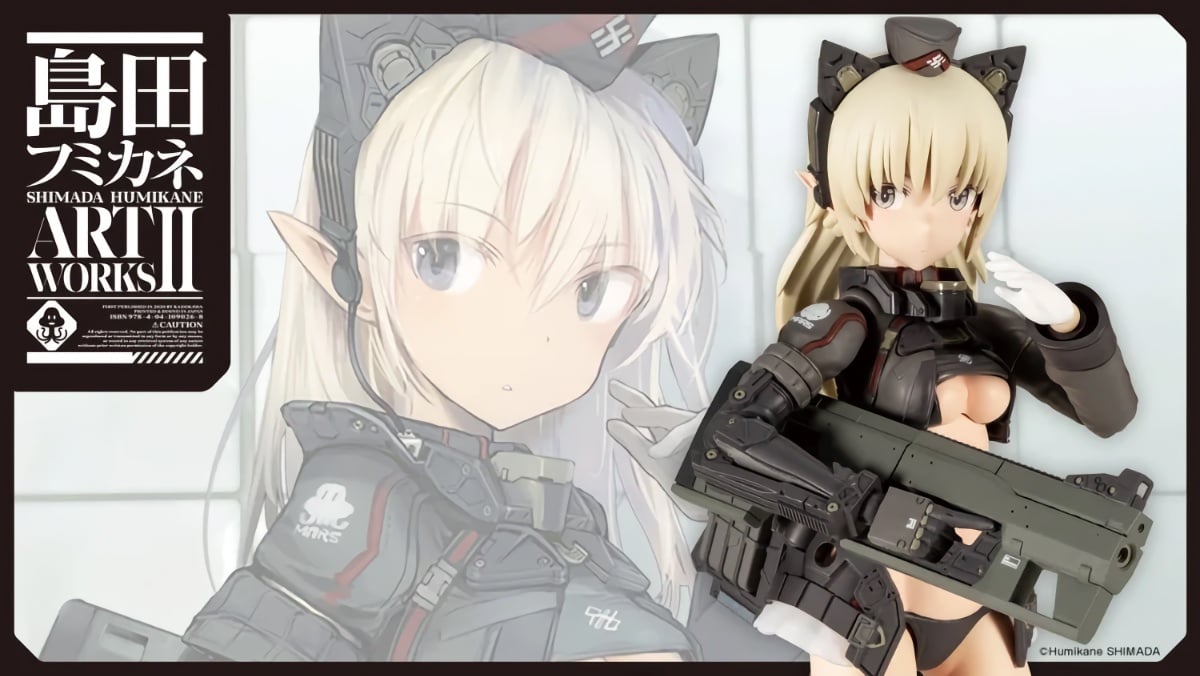
The kemonomimi trend was helped along by influential artist Humikane Shimada. In the early 2000s, he started experimenting with blending cute anime girls with iconic weapons from WWII, which was dubbed “mecha musume.” Konami picked up his designs and made some figures, which were a big hit with fans. But since cute moé girls representing military hardware weren’t cute enough, he gave the girls animal features, too. The popularity of Strike Witches helped make cute kemono features in anime girls go mainstream.
Kemonomimi in Anime Today
Today some of the most popular characters feature cute animal features. Some examples:
- Animal features like fluffy tails and cute cat ears are a staple of anime today, and these characters are among the most popular. Strike Witches, Spice and Wolf, and Nekopara are three solid examples.
- Umamusume brought Japan’s famous racing horses to life as anime girls. The anime was so popular that the owners had to beg fan artists to stop posting erotic art of the characters based on their horses on the internet.
- Anime is all about telling stories that let us escape our mundane lives. So why not create a love story featuring a human girl and a half-dog demon (Inuyasha)?
- Some anime dial animal anthropomorphism up to 11, like the outstanding Beastars, about a complex society where herbivores live side-by-side with carnivores. They even delve into topics like cross-species sexual love.
Kemono Characters Are Closely Related to the Rise of Moe
In the 1980s, anime creators got so good at designing cute characters that fans started to experience feelings of love and protectiveness for them. By the mid-1990s, we had a name for this emotion: 萌え moé. This kanji literally means a plant sprouting, and the term came to describe the various traits of cute, often vulnerable characters. The term might have come from the popularity of Hotaru Tomoe, the cute but frail girl who would transform into Sailor Saturn.
Obviously, we all experience a shot of dopamine in our brains when we see a cute cat, puppy, or other adorable animal. So, it makes sense that adding animal features and a big fluffy tail would make us fall in love with the character even faster!
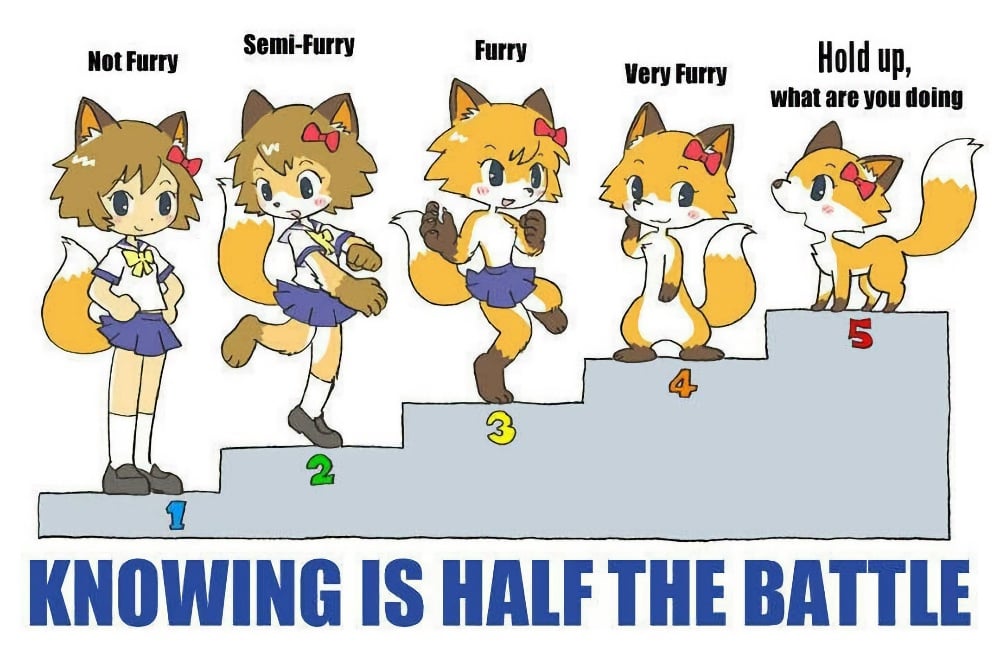
Don’t Call Them “Furry”
Most fans draw a strong distinction between concepts like kemono (“beast”), kemonomimi (“animal ears”), or demi-human/monster girls with the term “furry.” This is a distinction I understand, although it can be hard to know exactly what terminology to use in each case.
I was present in the early days of modern “furry” culture, though I didn’t know it then. I moved to San Diego in the 1980s and discovered the magical world that was the San Diego Comic-Con in 1986. Not having much money, I tended to browse the $1 comic bins. When I came across some issues of Albedo Anthropomorphics, a serious sci-fi indie comic featuring humanoid characters with animal features, I was enthralled. I loved the detail of the comic, and of course, I loved the sex. This was about the time I discovered that nude scenes in anime were a thing, so it was quite an exciting time to be a teenager.
What emotions did you feel when you first encountered furry or kemonomimi imagery from Japan?
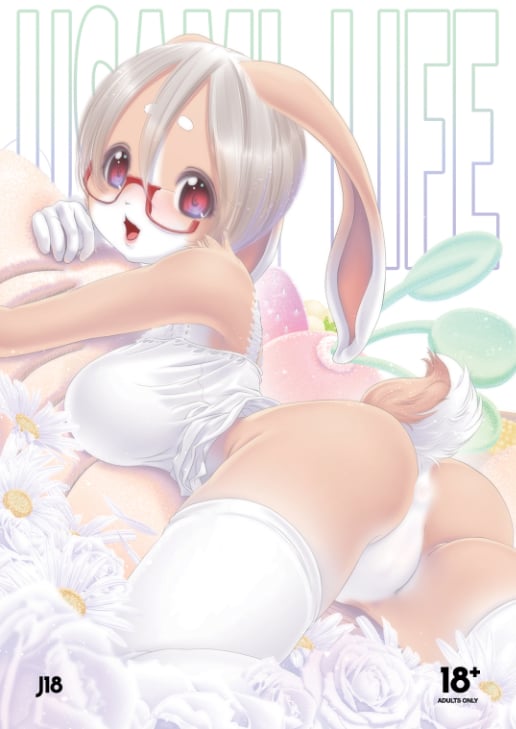
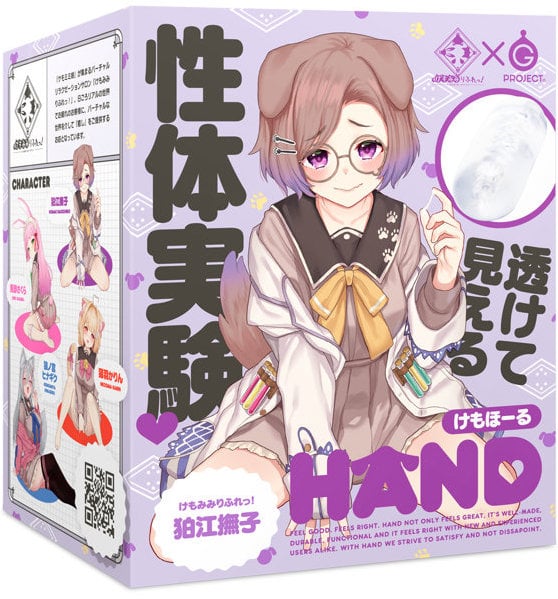
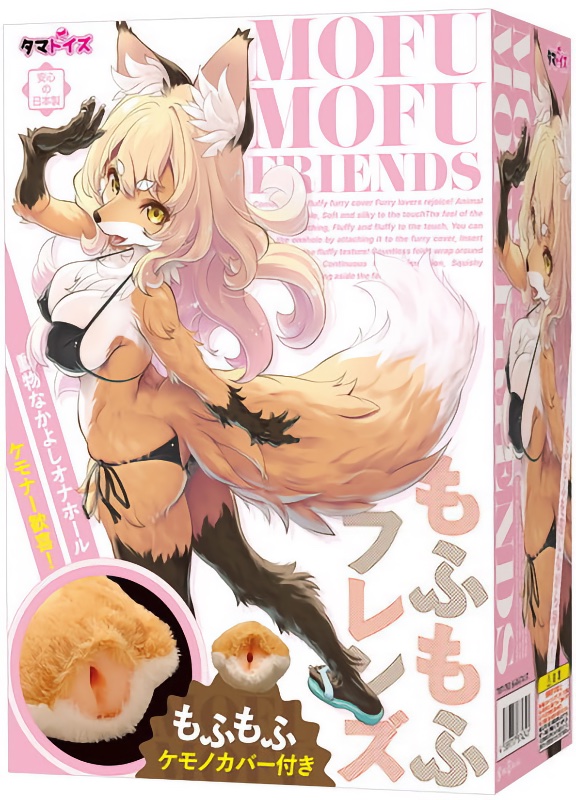
J-List has awesome “totally not furry” ero products from Japan to show you. Browse them all here!
Thanks for reading this blog post about the history of kemonomimi and cute animal features in anime girls. What do you think of this genre? Tell us in the comments below!
Let’s Chat
You made it to the end of this post! Thank you! As a token of our appreciation, enjoy an extra 5% off your next order when you use the code BLOG at checkout. Also, don’t forget to follow J-List on all our platforms!
- Twitter / X, where Peter posts anime booba for you
- Bluesky, where we post several times a day
- Facebook, where we used to share memes and discuss anime
- Discord, if you want to chat with other J-List customers of culture

No girlfriend? No problem! April 14 is Black Day in South Korea, when single men mark the occasion by eating black noodles. They missed out on Valentine’s Day chocolate on February 14, and had no one to give white chocolate to on White Day, March 14, but so April 14 is their day! J-List is celebrating with a huge 15% sale on all Japan-based products through April 20. Start browsing now!