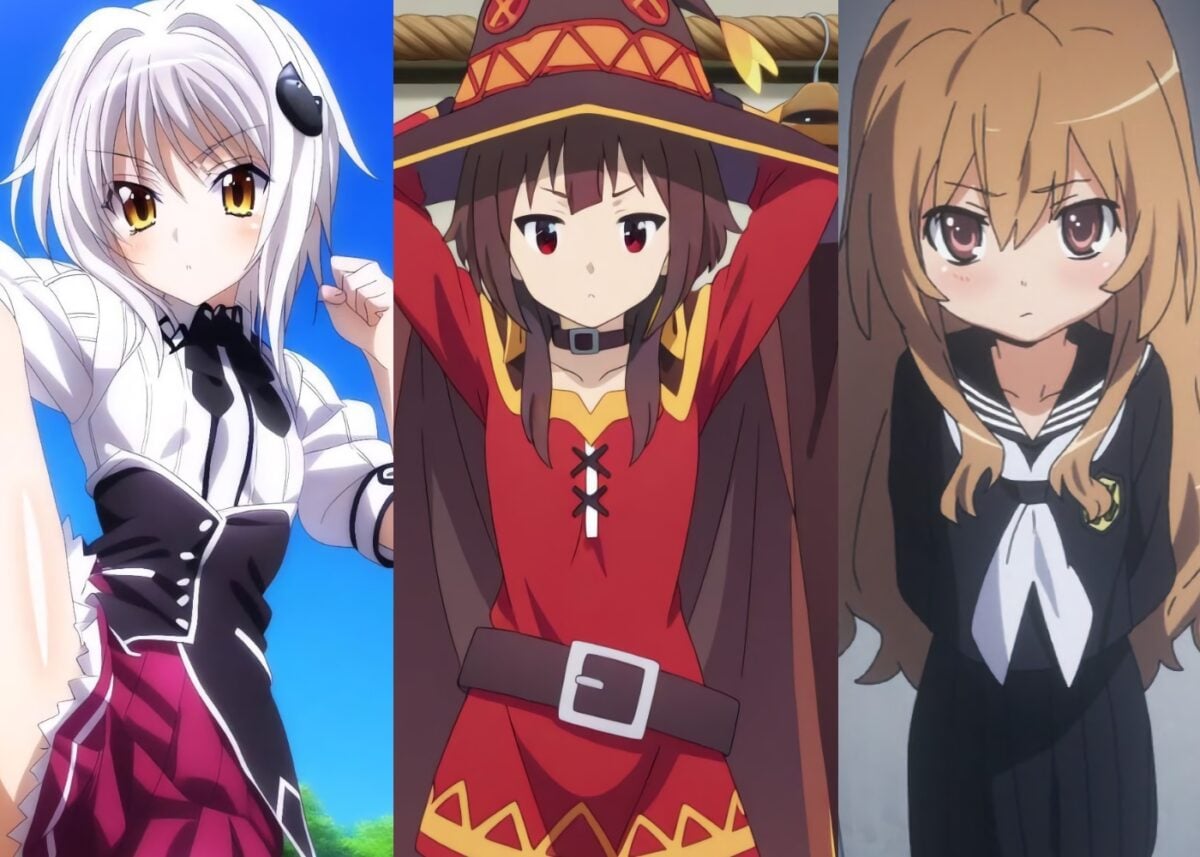
Have you ever wondered why the Japanese call underwear “pantsu?” It’s the English word “pants,” but using the British meaning, referring to underwear, rather than the American meaning of outer trousers. In this post, let’s take a deep dive into the meaning of “pantsu” in Japan and anime, and see how it became one of Japan’s most famous obsessions.
Halloween is coming up, so we decided to have a big sale for you! Through November 3, you can get 15% off all orders shipping from Japan! That means 15% off all onaholes for male stress relief, awesome ero lotion, JAV DVDs and Blu-rays, hentai anime, and more! Browse all our sale products now!
What Does “Pantsu” Mean?
Pantsu (パンツ) is the most common Japanese word for underwear, for both men and women. The term applies to everything from briefs and boxers to panties.
There are other Japanese words used for underwear. Shitagi (下着) is a general word for any kind of underwear. “Shorts” (ショーツ) is the industry term for female underwear, replacing the word “panty” (パンティー) because that word got too sexualized. The Japanese refer to Western-style trousers as zubon (ズボン), which came from the French jupon. In Strike Witches, they make a point of referring to the girl’s panties as “zubon” and joke that, “They’re not pantsu, so I’m not embarrassed!”
Why Do Japanese Call Underwear “Pantsu?”
Why does pantsu mean underwear? One thing you have to understand about Japan is its special relationship with “Great Britain-senpai.” After the American Commodore Perry forced Japan to open up to trade with the outside world in 1853, the country underwent a period of rapid modernization.
Japan had the incredible luxury of choosing which Western countries to model its new institutions after. It rebuilt its military after the Prussian model, copied the French prefectural system, and turned to Germany to modernize its legal and medical systems. But more than any other country, Japan felt an affinity with fellow island nation Great Britain. It cloned the British Parliament, the Royal Post, and Britain’s railways. This is why Japan drives on the left today, the same as in the UK. And why they call a sedan a “saloon” and call a toilet a “Water Closet.”
When it came time to begin to adopt Western-style clothing, they turned to the British again. The word for a business suit in Japanese is 背広 sebiro, which (according to some theories) comes from London’s famed Savile Row men’s tailor district. And when they needed a Japanese word for Western underwear, the word “pantsu” naturally acquired its British meaning of “underpants” rather than its American meaning of “trousers.”
Ever wondered about the origins of shimapan? Read this blog post on the history of ecchi anime next!
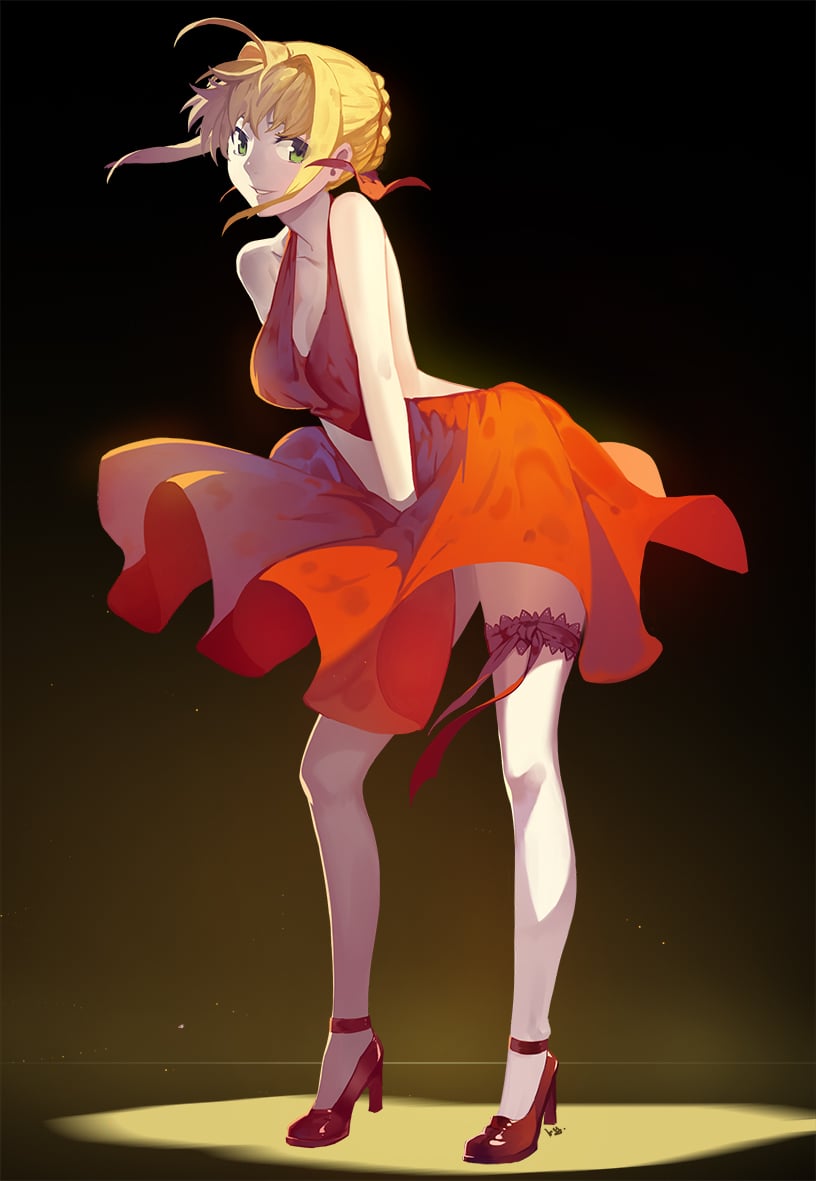
Did The Seven Year Itch Invent the Panty Shot?
As the economy finally began to recover from the deprivations of World War II in the 1950s, Japanese underwear makers like Wacoal were finally getting Japanese women to adopt Western-style underwear. Soon after, the idea of chirarizumu (“chirarism”), or the thrill a man gets when he catches a brief glimpse of a woman’s underwear, emerged.
Then came the iconic Marilyn Monroe film The Seven Year Itch in 1955, which can be seen as a “big bang” moment in the history of Western underwear in Japan. Suddenly, the idea of panchira was on everyone’s lips. The film created a boom in Western-style underwear among Japanese women, who now saw it as glamorous and sexy.

When Did “Pantsu” Become an English Word?
We know the exact moment when “pantsu” became used as an English word: April 23, 2002. This was the broadcast date of episode 4 of Chobits. The scene where Hideki realizes Chii doesn’t have any underwear and sends her on a mission to buy some became a huge meme among online fans at the time. “Pantsu kudasai!” was probably the first Japanese phrase many fans learned at the time.
Why Are There So Many Pantyshots in Anime?
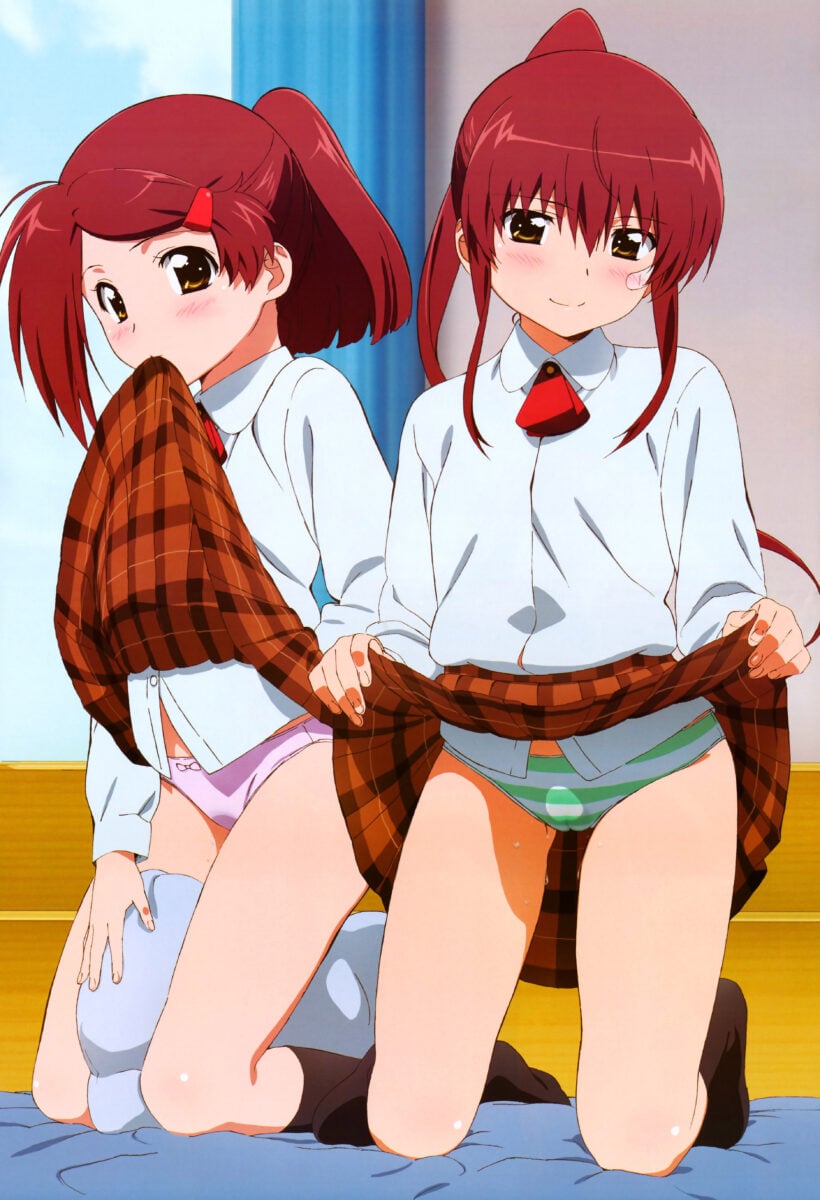
Anime is famous for sneaking in an upskirt view of a girl’s pantsu when fans least expect it. Along with “naughty hentai tentacles,” this has come to define Japan in the eyes of many fans. Let’s look at what a panchira scene does for an anime series.
- It’s an instant dopamine hit for fans. When we see a quick flash of a girl’s panties, even a 2D girl, our eyes dilate, our heart rate increases slightly, and we actually stop breathing for a split-second. Then we get a shot of dopamine, creating a sense of pleasure.
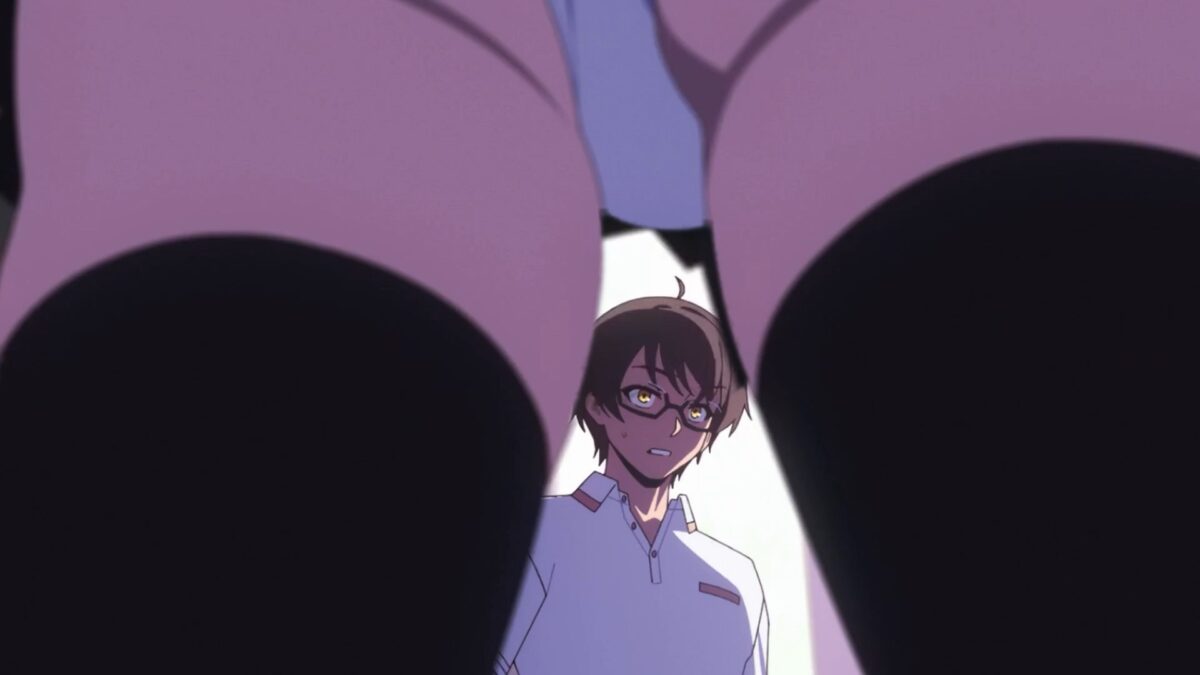
- Creating positive emotions around new characters. Anime creators want us to form an emotional connection with characters we’ve just met so we’ll stick around until the end of the episode. What better way than getting a quick view of her panties? Can some pantyshots change your life? Maybe. I know a J-List customer from Australia who travelled all around Northern Japan for months, pretty much because of the pantsu scene in the first episode of Wake Up Girls!, above.
- Exploration of moe-related character elements. The concept of moe involves flaws in a weak female character, causing viewers to feel protective of her. So animators make her a glasses-wearing, clumsy girl who trips over her own feet and accidentally shows her underwear to her crush!
- There aren’t actually that many pantyshots. Fans, especially casual fans who have only watched a few shows, might think that “anime is always sexualized and loaded with pantyshots.” It’s more accurate to say that around 50% of anime have a few visual fanservice gags in the first episode, then stop. Only shows specifically in the ecchi genre, like Ikki Tousen or To Love-Ru, will have panties on screen in every other scene.
What Did Japanese People Wear Before Pantsu Existed?
Men wore fundoshi, a length of cloth wrapped around the lower waist, then tied. Women wore a tightly wrapped skirt called koshi-maki beneath their kimonos. Around 1920, baggy female underwear called zurōsu (from “drawers”) had started to appear in some fashion shops, but adoption was slow. The vast majority of Japanese women wearing kimonos weren’t wearing anything we would recognize as “underwear” underneath.
Did the Shirokiya Department Store Fire Make Japan Start Wearing Underwear?
On December 16, 1932, the Shirokiya department store in Nihonbashi caught fire, killing fourteen people. According to the story, saleswomen wearing kimonos were trapped on the upper floors. Because they had no underwear on, they were unwilling to jump into the firefighters’ nets and chose to burn to death. As a result of this event, Japanese women finally started adopting Western-style underwear.
It’s a nice story that got reported in newspapers around the world at the time. Unfortunately, it seems to be an urban legend. According to research by Japanese writer Inoue Shōichi, who has studied the history of Japan’s “pantyshot culture” even more than me, the story has no basis in fact. In reality, most of the women trapped on the roof of the building did jump and were saved.
Thanks for reading this blog post asking why the Japanese call underwear “pantsu,” and how it came to define anime fanservice around the world. Now you know that the meaning of pantsu comes from Britain.
When did you first become aware of the word and its special meaning? Tell us in the comments!
Let’s Chat
You made it to the end of this post! Thank you! As a token of our appreciation, enjoy an extra 5% off your next order with code BLOG at checkout. Also, don’t forget to follow J-List on all our platforms!
- Twitter/X, where Peter posts anime booba for you.
- Megumi Channel is our new YouTube channel, where Megumi-chan discusses all things anime. Please give us a follow!
- Bluesky, where we post several times a day.
- Facebook, where you can find our blog posts… though the site has become hostile to anime memes and other fun content.
- Discord, if you want to chat with other J-List customers of culture.

Halloween is coming up, so we decided to have a big sale for you! Through November 3, you can get 15% off all orders shipping from Japan! That means 15% off all onaholes for male stress relief, awesome ero lotion, JAV DVDs and Blu-rays, hentai anime, and more! Browse all our sale products now!