I’ve been lucky to live in Japan since the early 1990s, longer than Tokyo’s Akihabara district has been famous for anime shops and maid cafes. The other day, I was walking around Akiba and got curious about how many of the old-school electronics sellers were still around in Japan’s famous “electric town.” Let’s take a deep dive into the history of Akihabara together!
Great news: J-List has started a new sale, giving you 18% off all DVDs, Blu-rays, and Nintendo Switch games. That means an instant 18% off all imported anime Blu-rays, sexy live-action JAV titles, hentai anime, and region-free anime games for your Nintendo Switch! Browse all sale products now!
The History of Akihabara
The area where Akihabara currently sits was occupied by farmland and vegetable sellers back during the Edo Period. The district was prone to fires, so in 1869 the new Meiji government erected Akiba Shrine, dedicated to a fire-prevention deity. The farmland around the shrine acquired the name Akihabara (“The Fields of Akiba”).
In the years after WWII, Akihabara grew into a black market where various hard-to-find goods could be acquired, with everything from tools to radios to war-surplus electronics available. As Japan’s industrial economy got started in earnest, the area became the place to visit to find electronic components. Happily, its proximity to Tokyo Denki University meant a steady supply of customers scrounging around to find the parts they needed.
Color PCs appeared earlier in Japan than in other countries, and Akihabara was the best place for customers to come and buy them. When the rise of early hentai dating-sim games emerged, anime and doujinshi shops started to crop up in the area, too. By 2001, maid cafes had appeared, and Akihabara was undergoing its conversion as Japan’s Otaku Disneyland. (The JAST USA game Little My Maid was one of the titles that helped usher in the country’s maid boom, if you want to experience it.)
When I came to Japan in 1991, I would take the two-hour train ride from Gunma to Tokyo to shop for electronics for my Mac, or buy camera equipment, or just wander around and enjoy the small shops along every street. I loved looking for new tech to buy, but had no idea what changes were coming for this corner of Tokyo!
The History of Akihabara: Hunting for Old-School Electronics Shops in Akihabara Today!
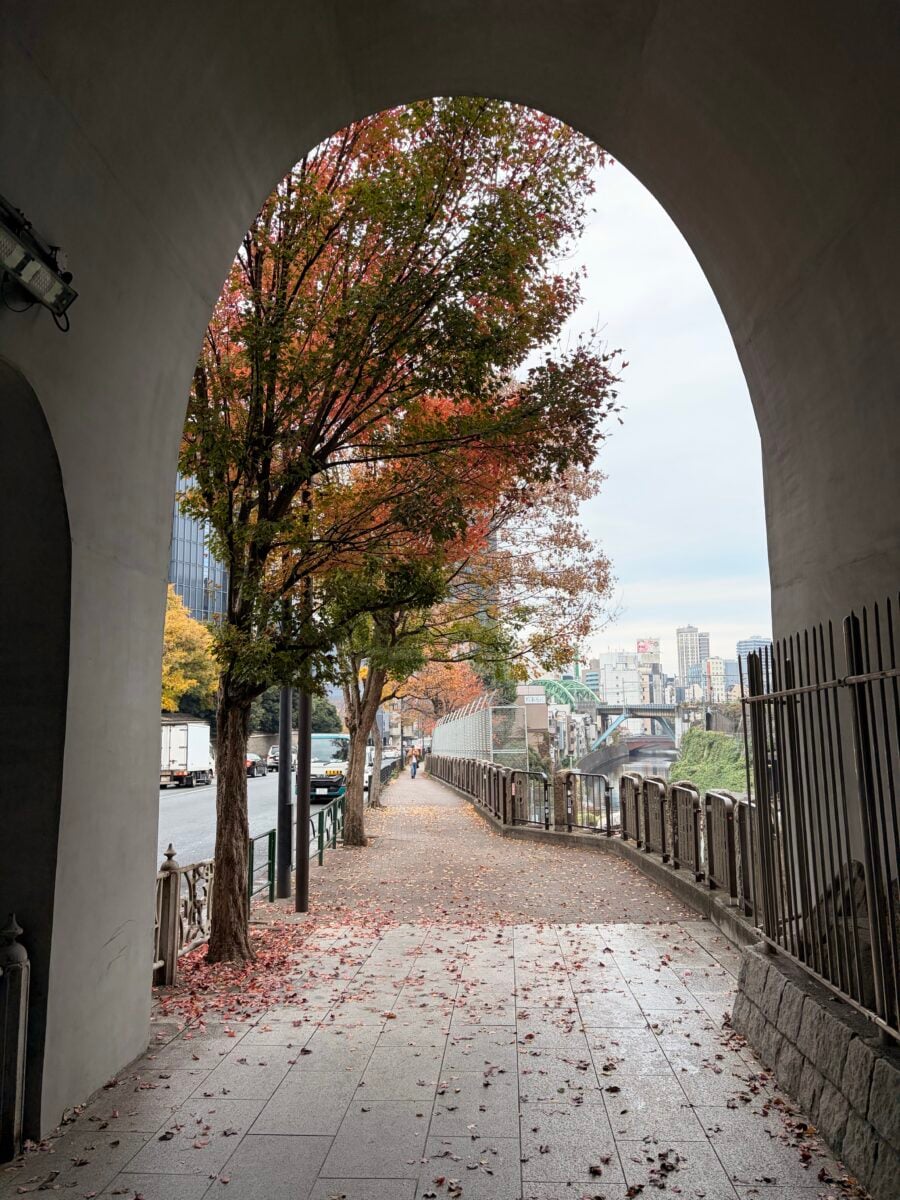
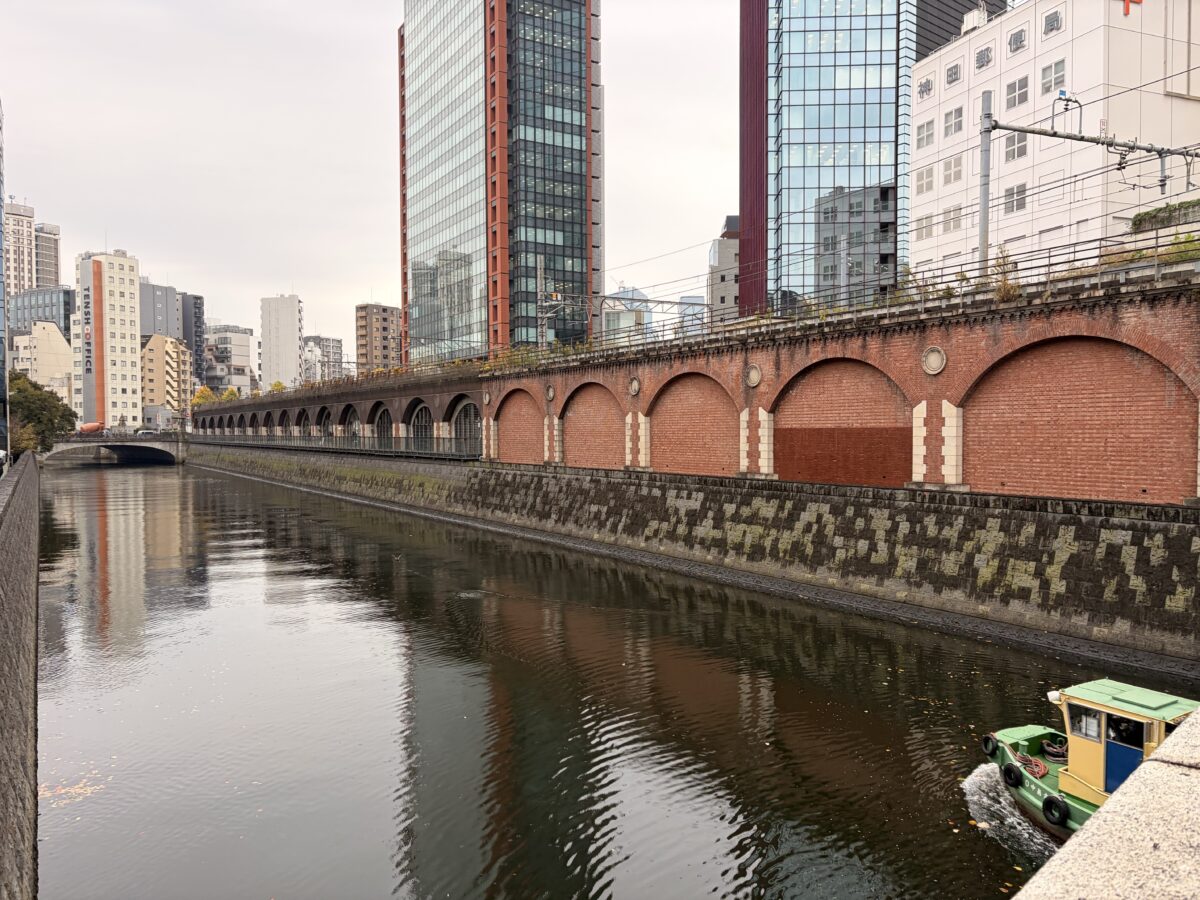
Whenever I’m in Tokyo without much to do, I like to take the train over to Akihabara. Sometimes I get off the train one station early, at Ochanomizu, and enjoy the pleasant walk in.
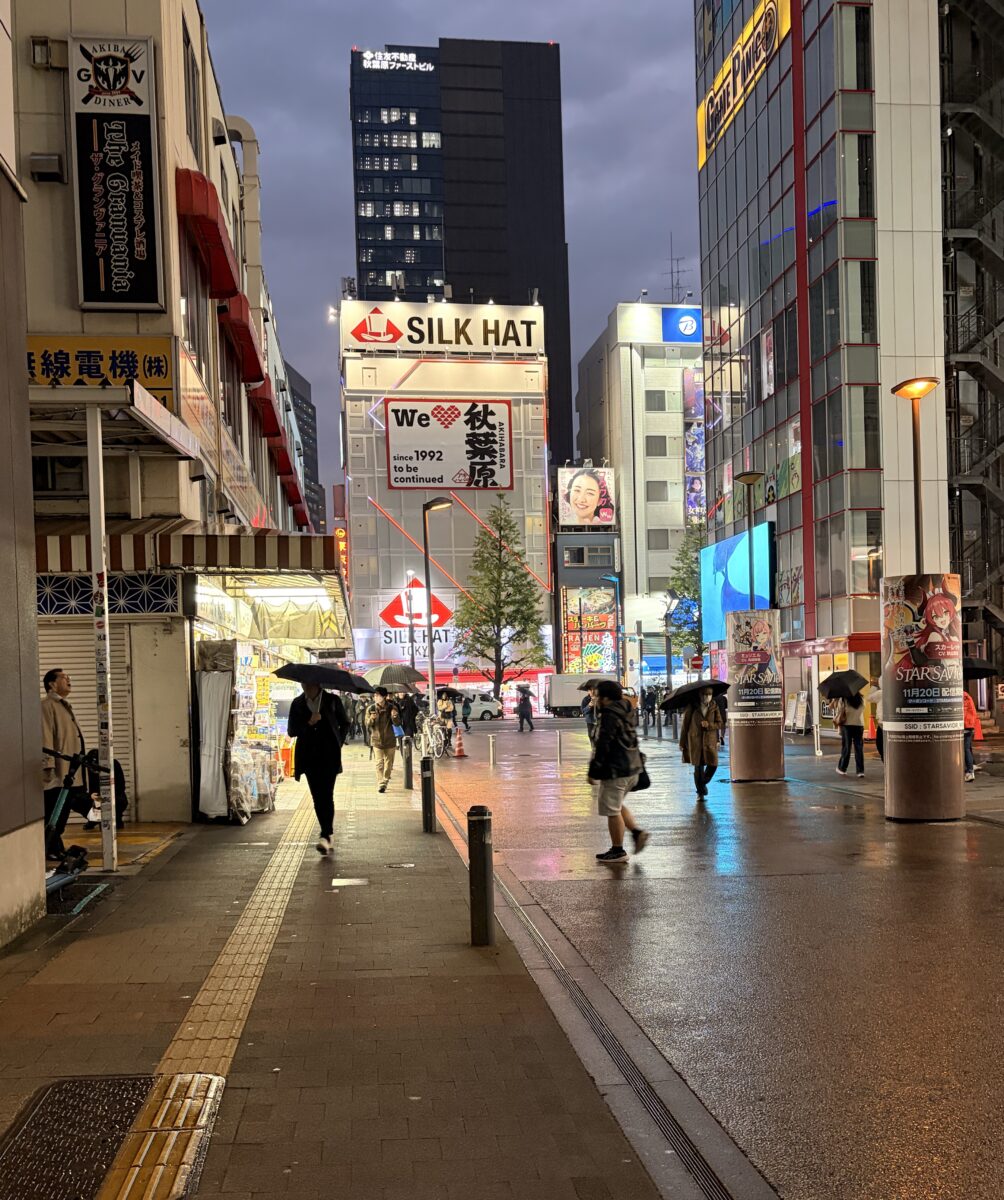
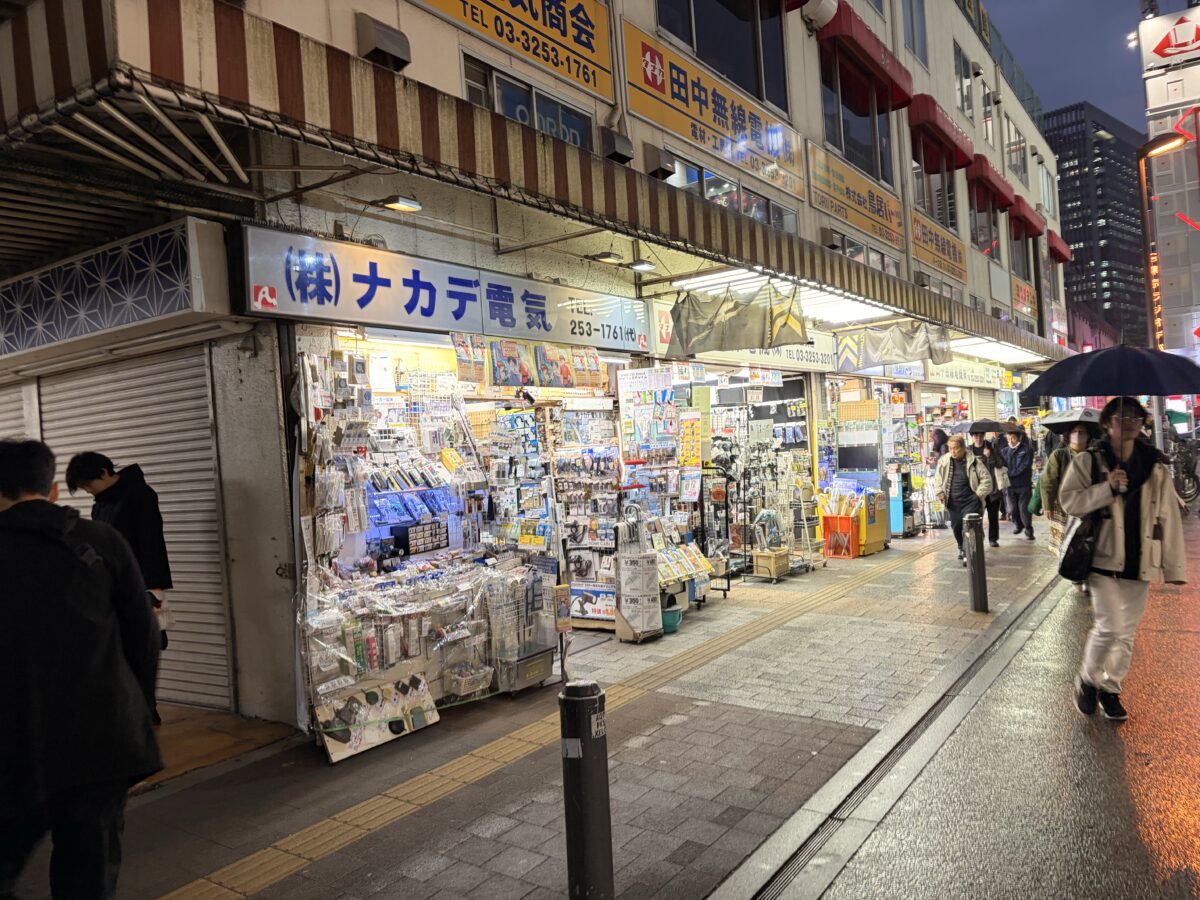
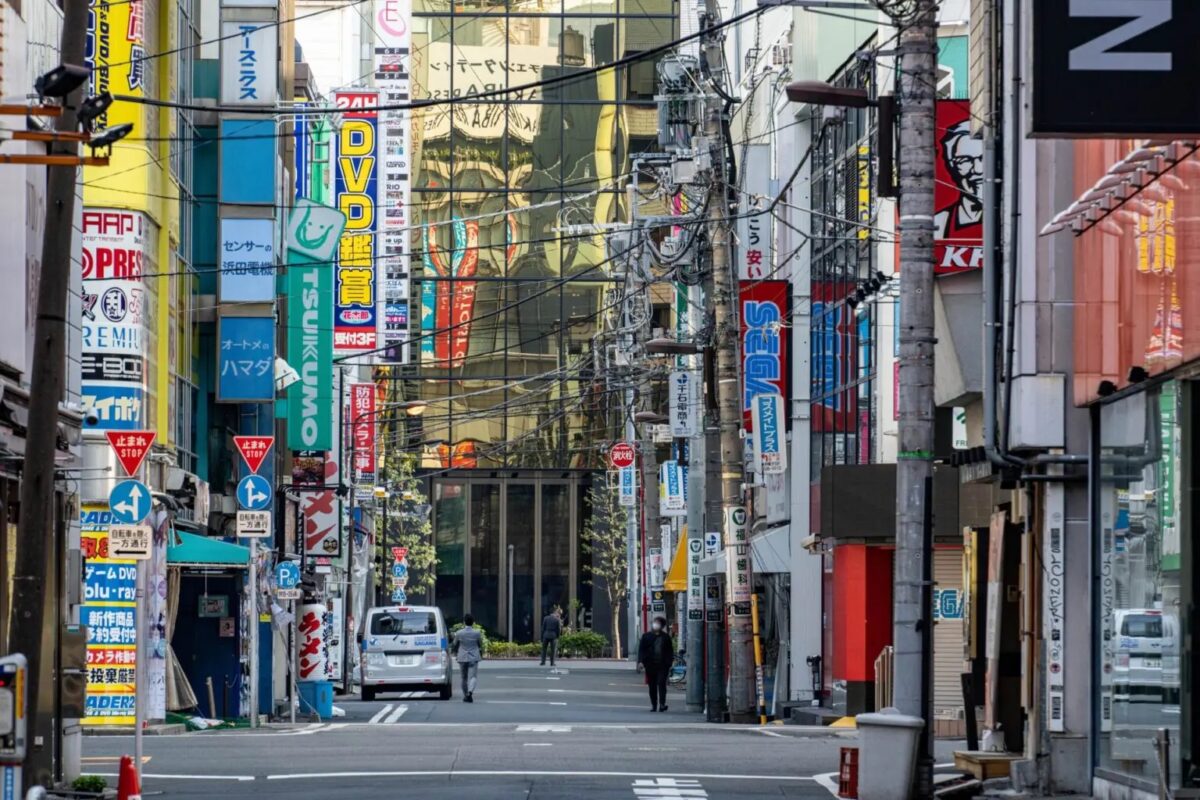
After meeting for drinks with a friend, I was walking around the station area. It’s great, seeing how any rain in Tokyo instantly transforms the place into a set from Blade Runner. I got to wondering about my many trips to Akihabara before anime took over everything, and wanted to see how much was left.
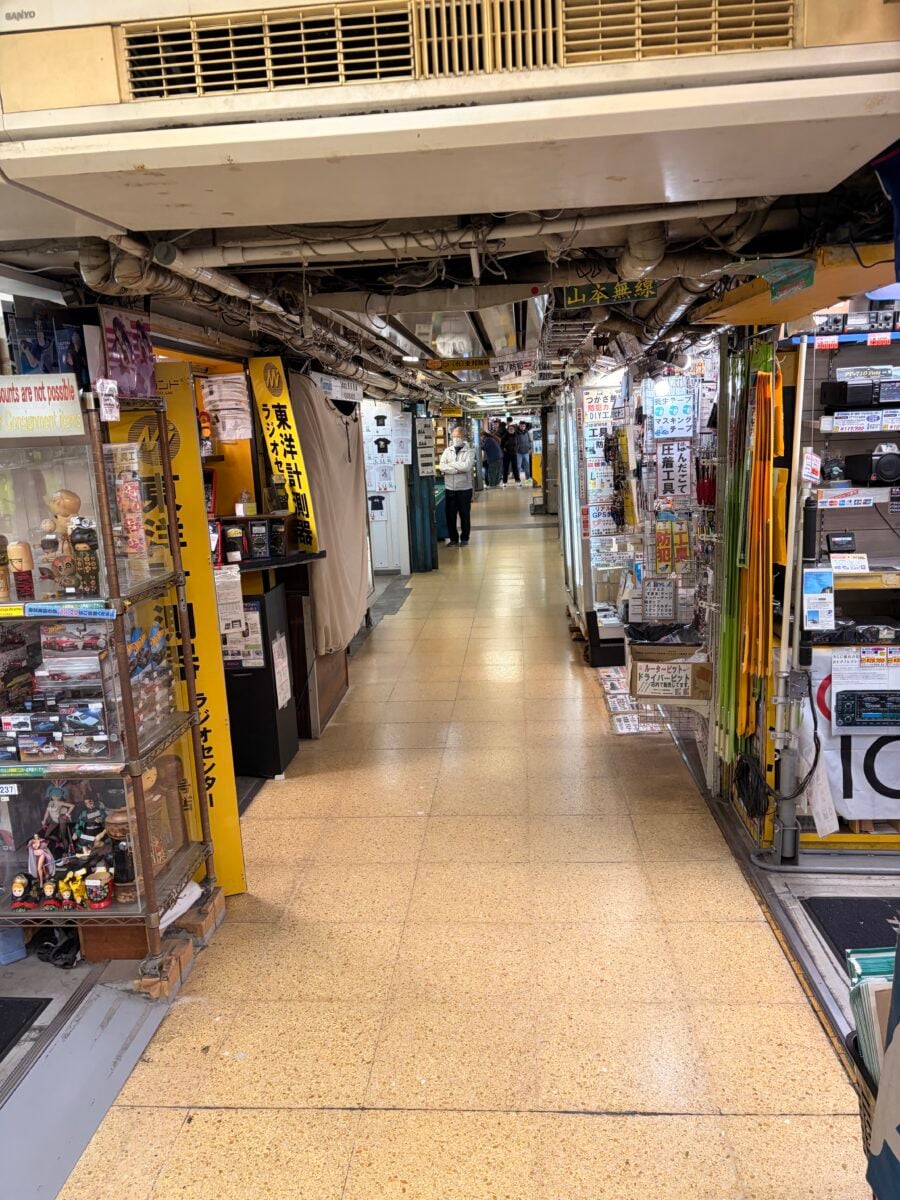
If you go out the East door from the station on the Denki’gai side, then turn left, you’ll come to a building that’s filled with some of the oldest electronics sellers in Akiba. Although a few shops selling anime figures, Vtuber merchandise, and ridiculously overpriced Pokémon cards had moved in, most of the shops on the second floor of the building were keeping up the good fight, selling switches, resistors, or whatever electrical components their customers might need.
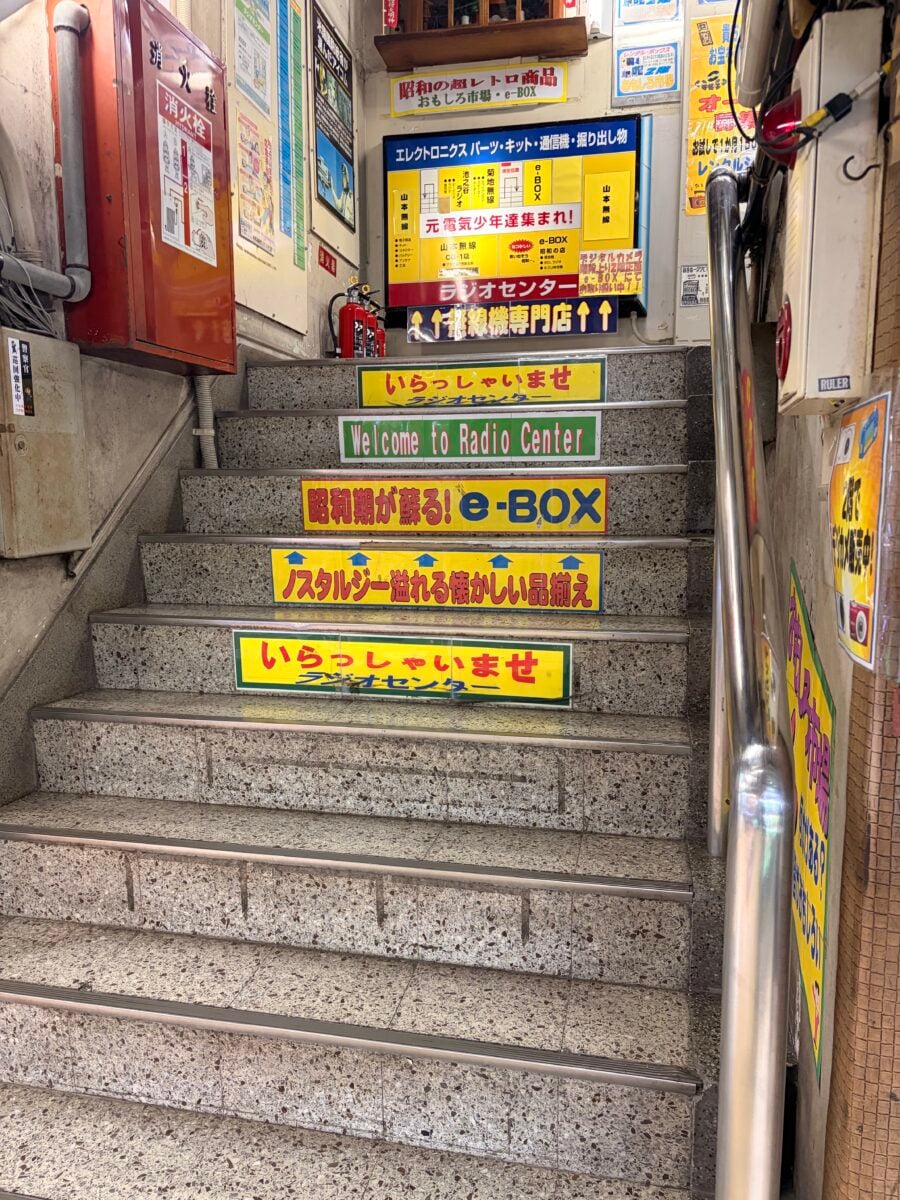
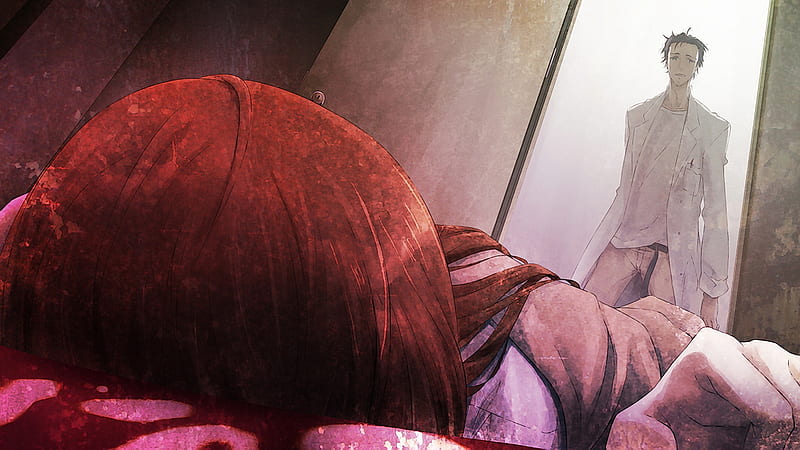
I saw another staircase and stopped cold. These stairs looked familiar. If I climbed them, might I encounter one of the most famous scenes in modern otaku-dom? And see the bloody body of Kurisu Makise, as Okarin did? Sadly, I was in the wrong place. Although this building will have been erected at around the same time as the old Radio Kaikan building — the setting for much of Steins;Gate — that building had been torn down and completely rebuilt.

More Glimpses of Akihabara Before Anime!
Suddenly, I heard a pleasant rumbling all around me, so I got out my phone to record it. I love the way the shops vibrate and jiggle whenever the trains depart.
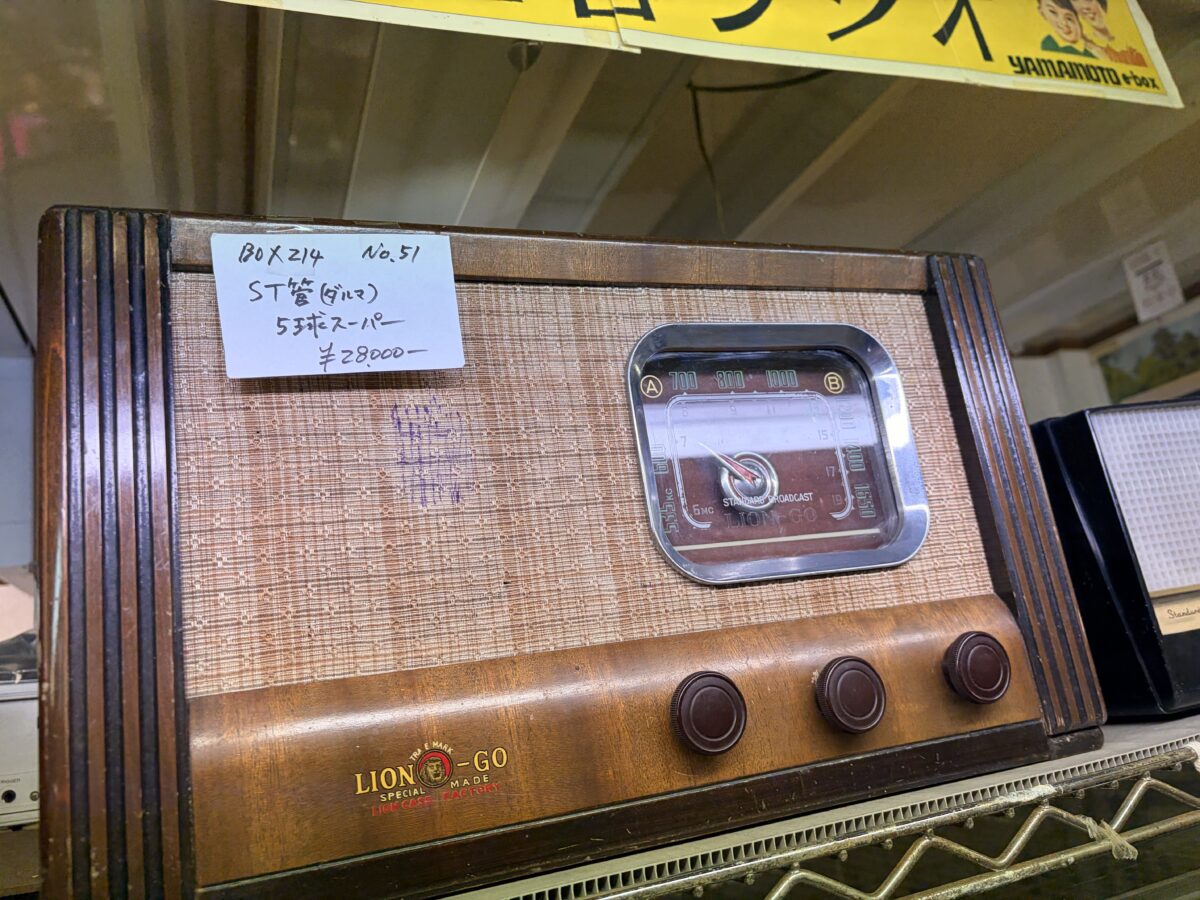
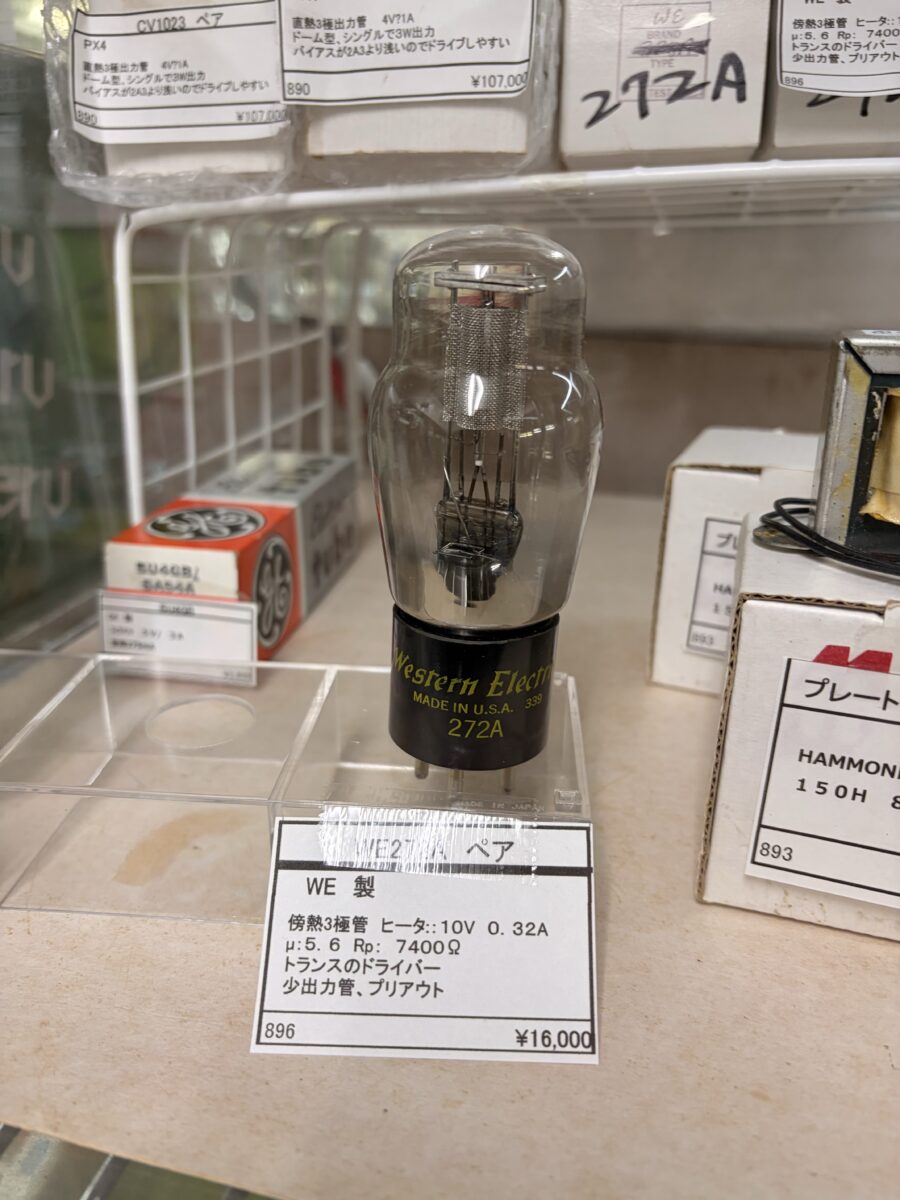
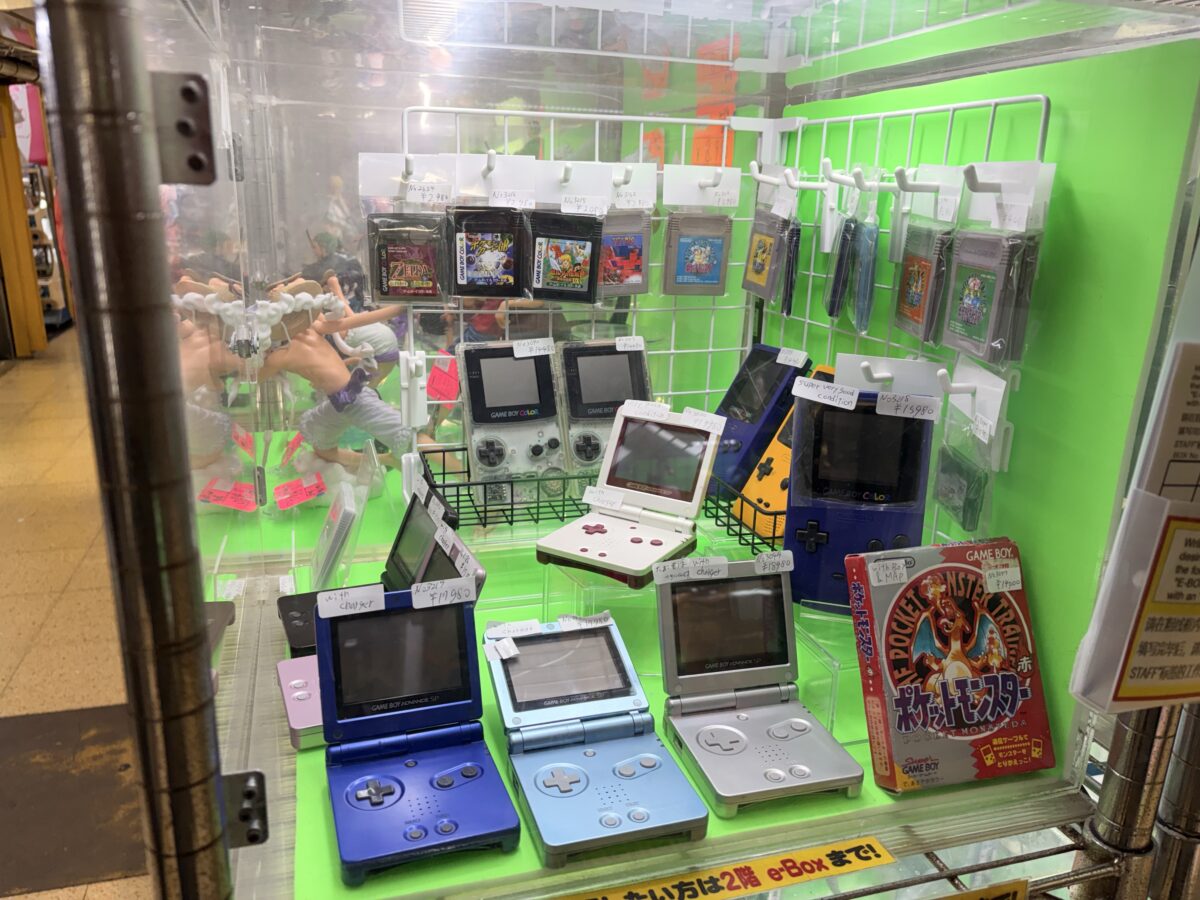
I explored the remaining electronics shops to see what they had on offer. You can buy classic electronics, like radios from the 1960s, or vacuum tubes from the 1950s, or Game Boy games from the 1990s.
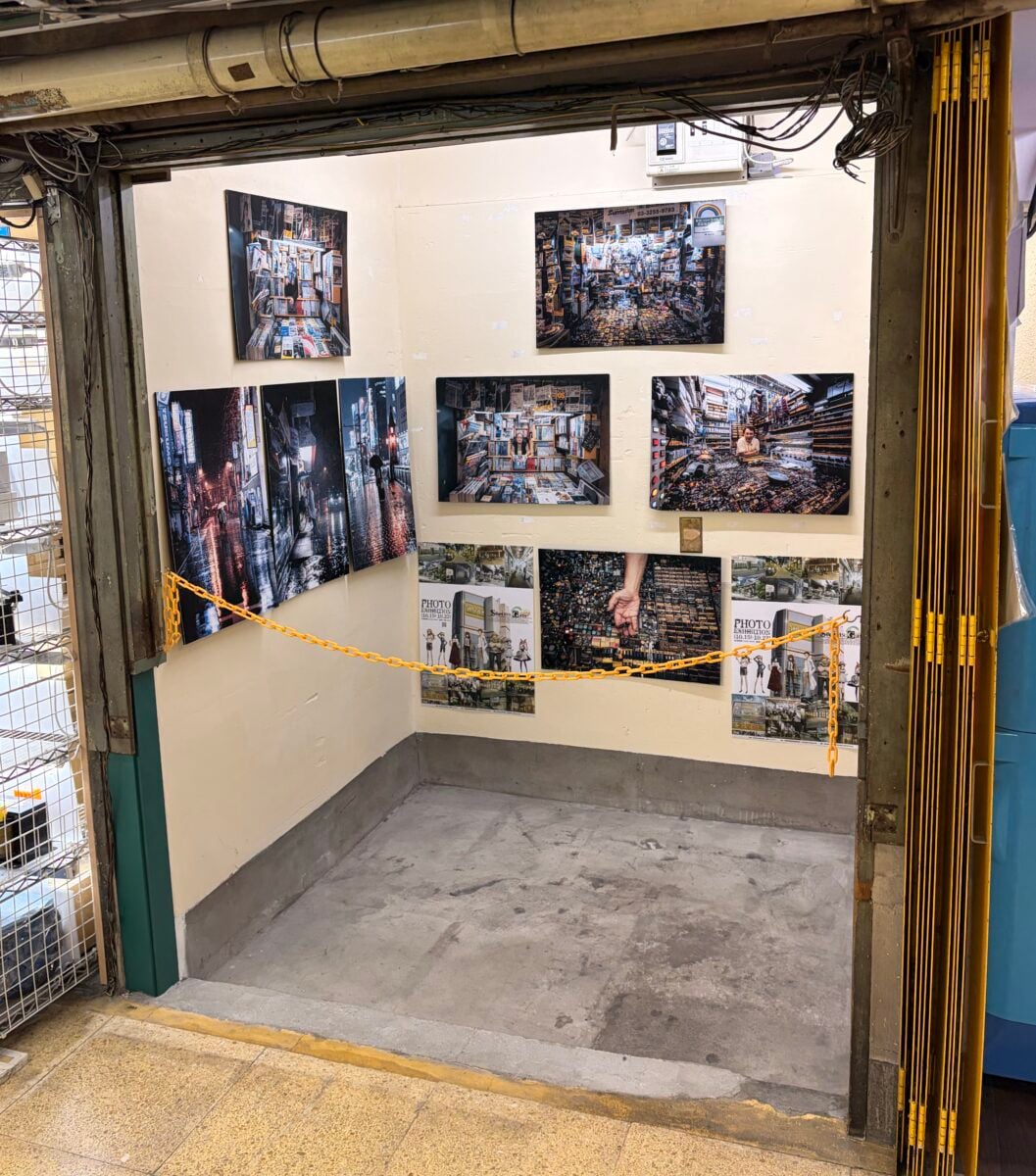
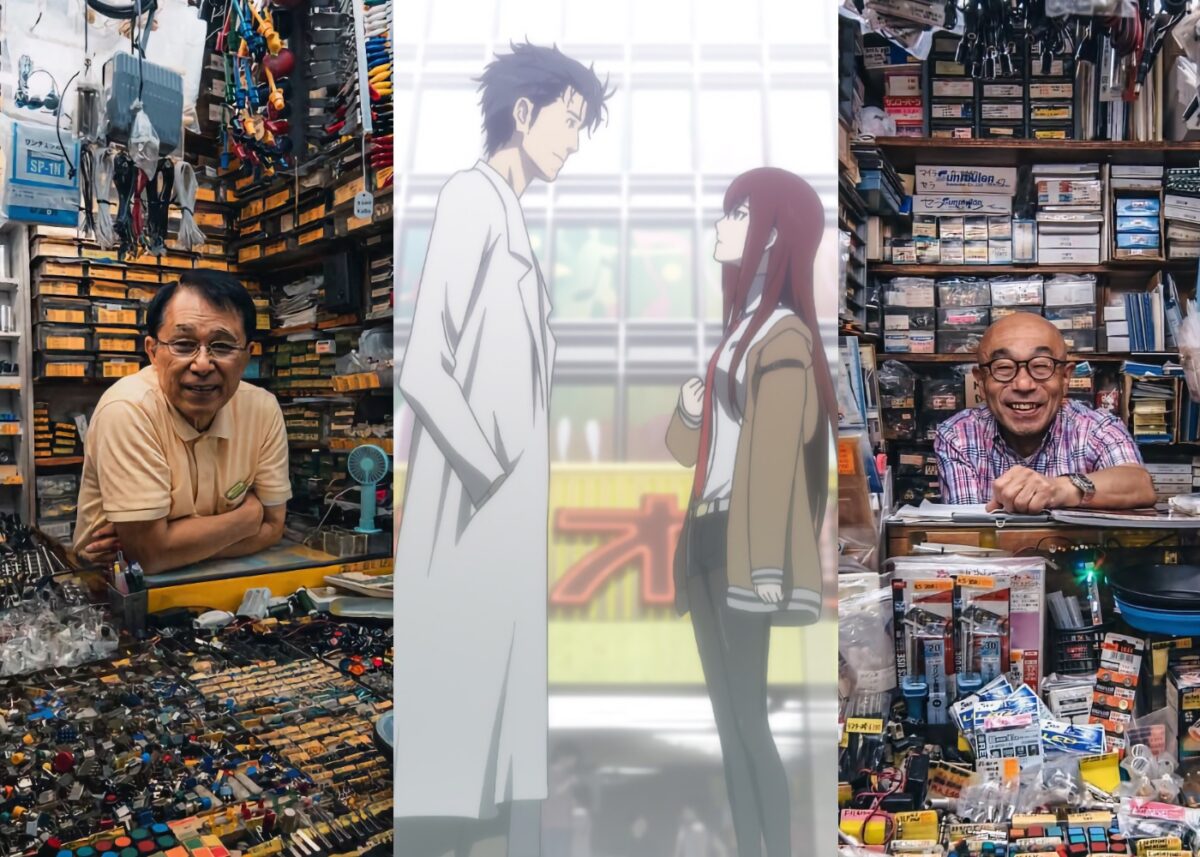
Then I came across a very special place. It was an alcove filled with photos of some of the shop owners who had spent decades selling electronic components, before the explosion of anime shops.
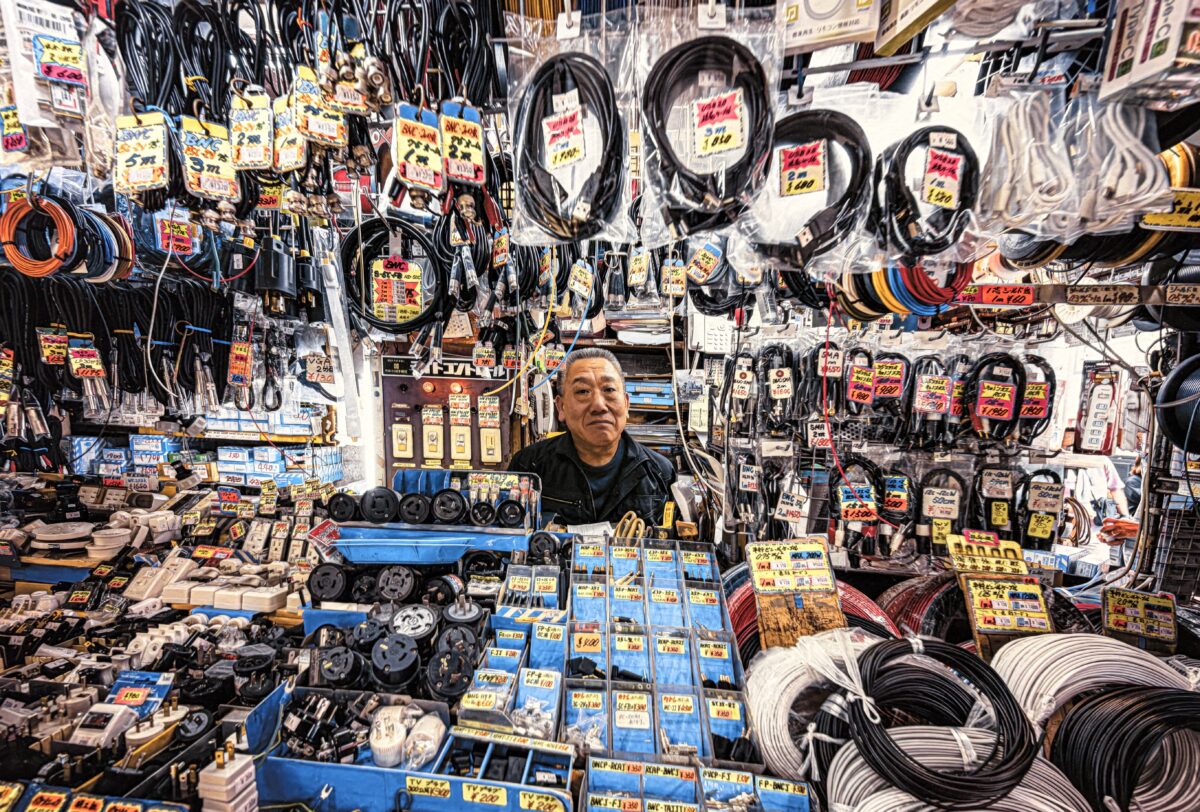
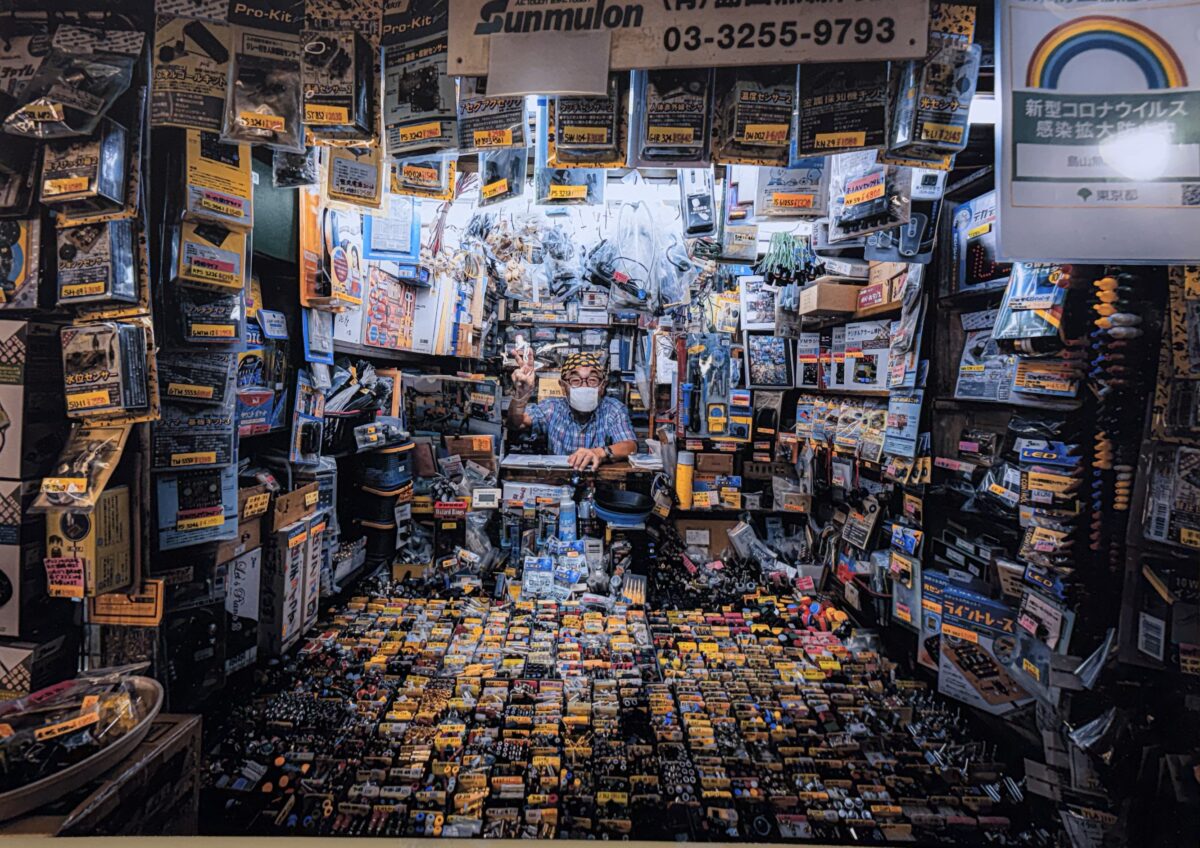
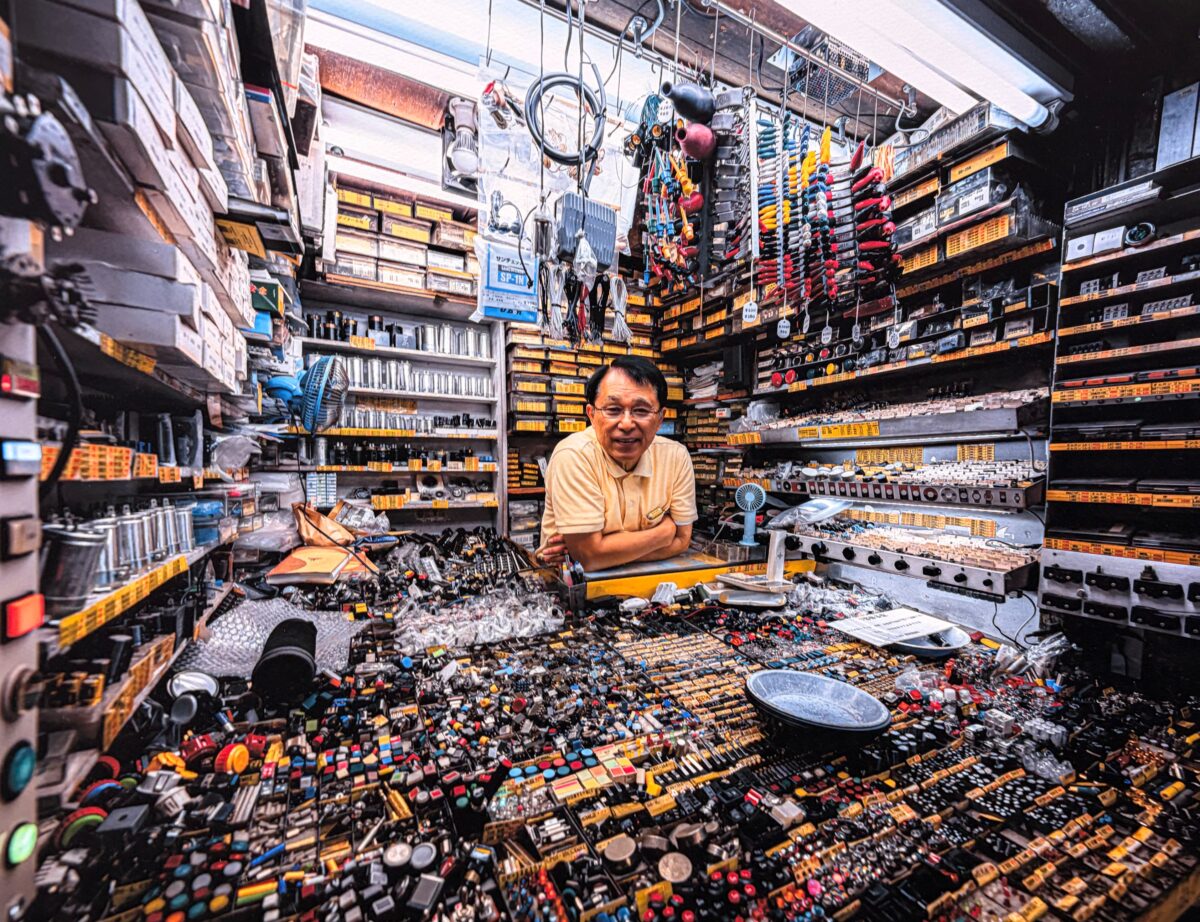
Check out these amazing photos. Sadly, the proprietors have all retired and closed their shops. The photos are by Junya Watanabe, and you can follow his Instagram account here. I gather from the COVID-19 sign that these tightly-packed shops were cleared out during Tokyo’s lockdowns. Many businesses faced closure around this time, both because of the situation at the time, as well as the owners wanting to retire.
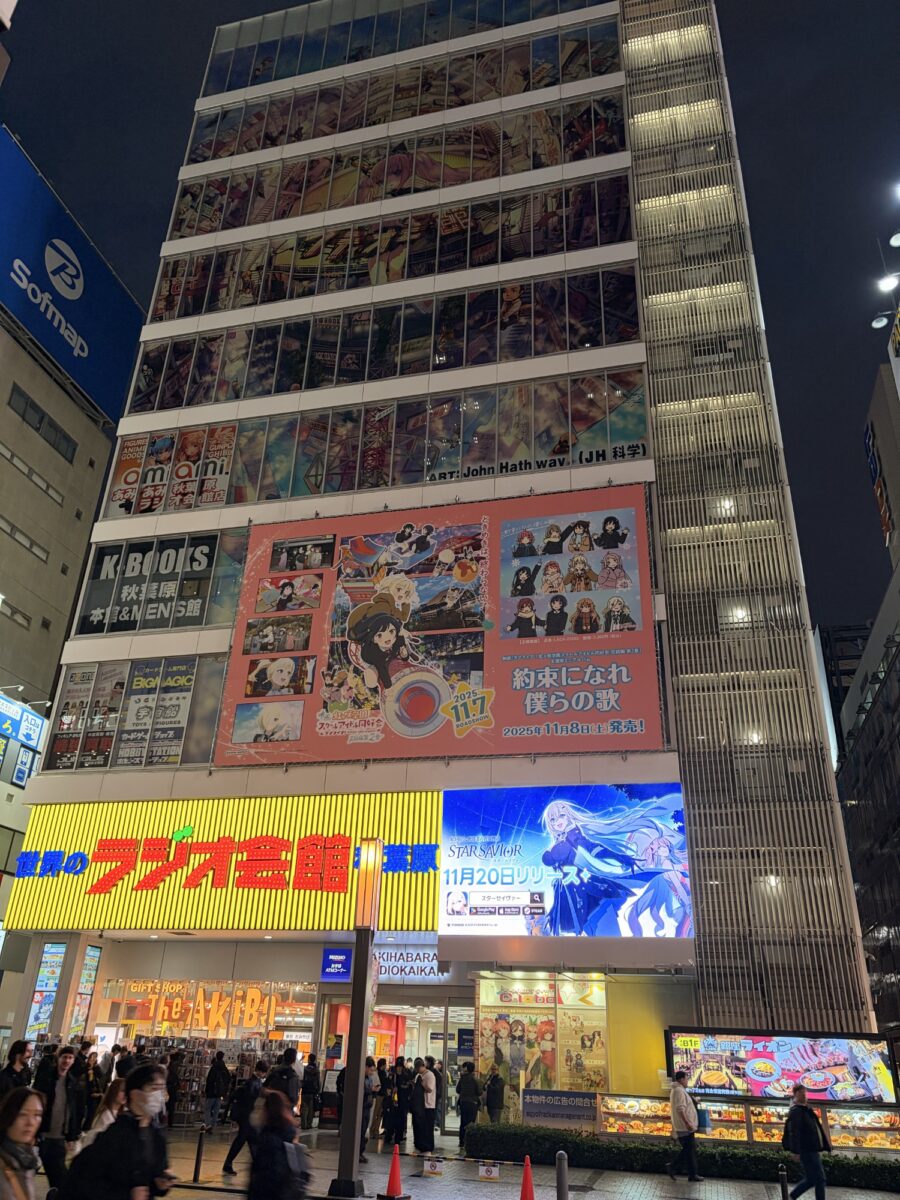
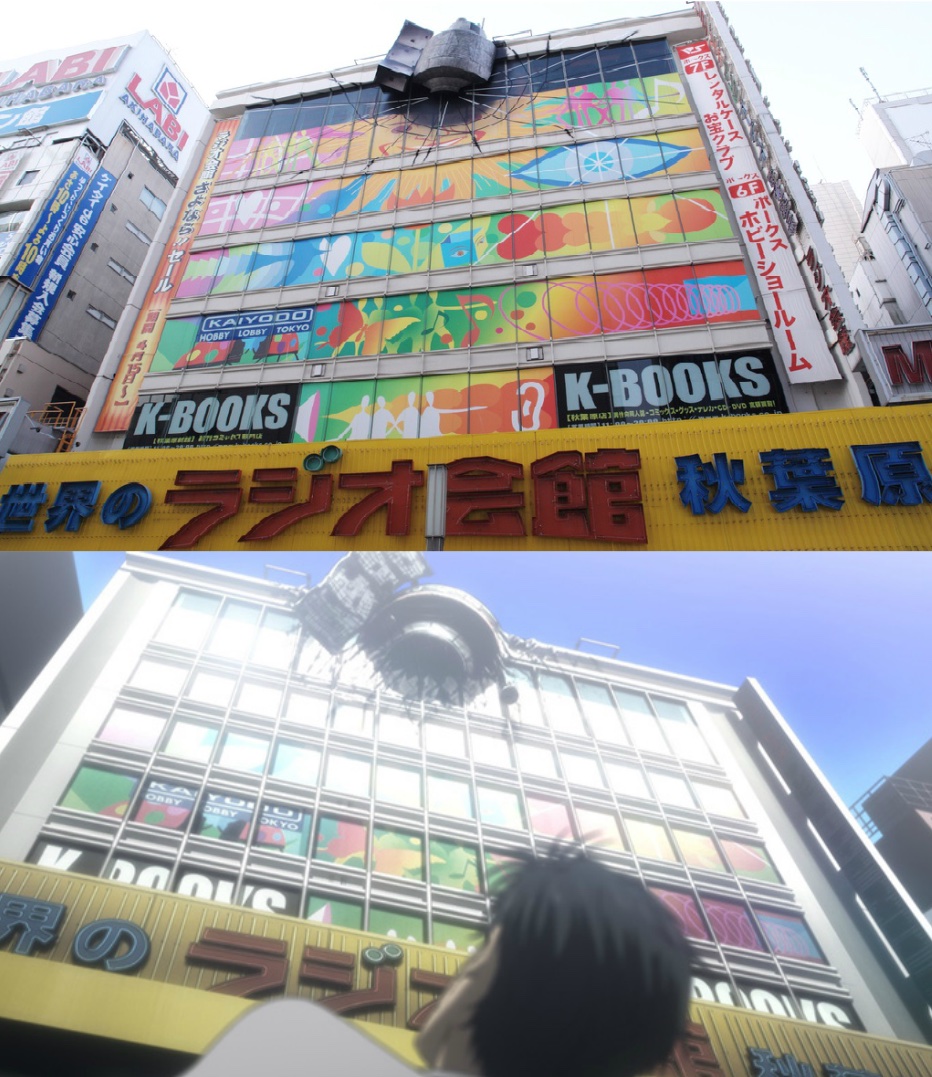
Sadly, the awesome old Radio Kaikan building was replaced with a brand-new building in 2011. But before the original was torn down, Nitroplus executed the most excellent April Fool’s joke in anime history. They erected a “satellite” that had crashed into the top of the building, as seen in the game and anime.
Thanks for reading this blog post exploring the history of Akihabara before anime! When did you first become aware of Japan’s magical land of anime and doujinshi? Tell us in the comments below!
Let’s Chat
You made it to the end of this post! Thank you! As a token of our appreciation, enjoy an extra 5% off your next order with code BLOG at checkout. Also, don’t forget to follow J-List on all our platforms!
- Twitter/X, where Peter posts anime booba for you.
- Megumi Channel is our new YouTube channel, where Megumi-chan discusses all things anime. Please give us a follow!
- Bluesky, where we post several times a day.
- Facebook, where you can find our blog posts… though the site has become hostile to anime memes and other fun content.
- Discord, if you want to chat with other J-List customers of culture.

Great news: J-List has started a new sale giving you 18% off all DVDs, Blu-rays, and Nintendo Switch games. That means an instant 18% off all imported anime Blu-rays, sexy live-action JAV titles, hentai anime, and region-free anime games for your Nintendo Switch! Browse all sale products now!